Neurotoxic Pesticide in our Food
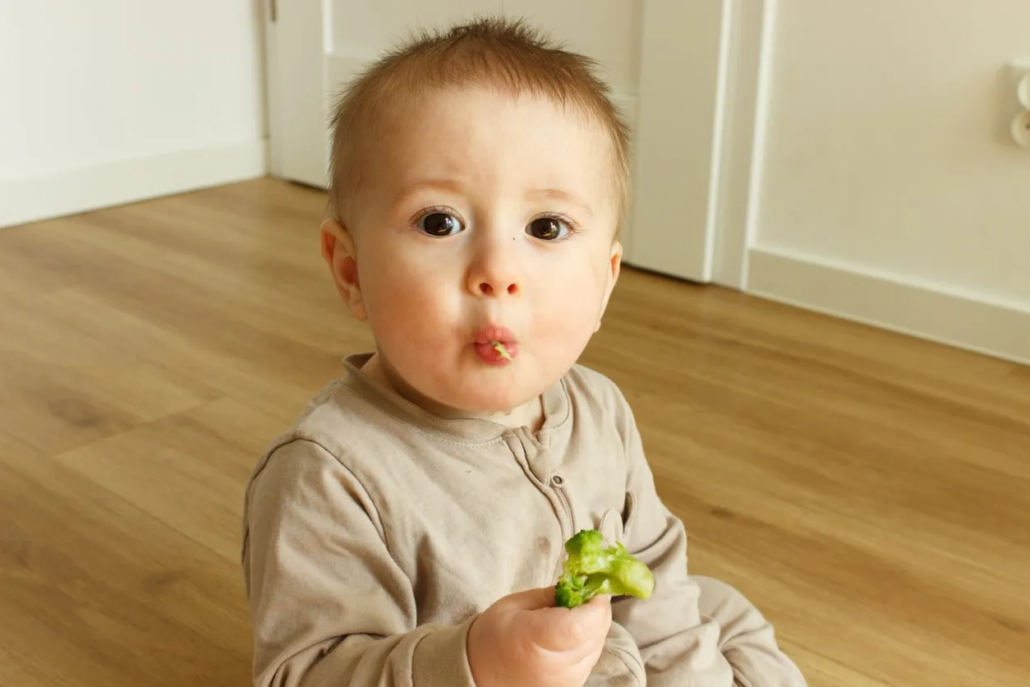
New Zealand children are being exposed to a brain-damaging insecticide, chlorpyrifos that’s banned in at least 39 countries. Alison White of the Safe Food Campaign investigates.
In June 2024 the Safe Food Campaign presented an oral petition to the government’s Petitions Select Committee, asking for the urgent reassessment and ban of the insecticide chlorpyrifos, due to its harmful effects, particularly on babies and young children.
A 2022 study found that New Zealand school-age children had levels of chlorpyrifos metabolites between two and seven times higher than their peers in the USA, Canada, Spain and Thailand.
Very low levels, such as are found in food, can irreversibly harm the pre- and post-natal brain and pubertal development. Low-level exposure to chlorpyrifos has many persistent adverse effects on people’s health.
We are what we eat
Dietary intake represents the major source of pesticide exposure for infants and children. A number of intervention studies around the world have measured children’s urine, usually for organophosphate metabolites or breakdown products, before and after eating organic food over a period of time, and mostly the results have been dramatic and immediate. A useful example of this is a short video on YouTube about a Swedish family: The Effect of Organic Food.
The US Environmental Protection Agency concluded in 2016 that chlorpyrifos in food is unsafe for all populations. They calculated the highest risk is for children aged 1–2 years old, with exposure levels 14,000% above the safety threshold for food. At least 39 other countries have banned this pesticide, including the UK, Canada and the 27 countries in the European Union. The UK made it illegal to use chlorpyrifos on any crop in 2016. The US eventually banned its use on food crops in 2021. There are safer alternatives.

Long-lasting and widespread harm
The United Nations international review committee classified it as a persistent organic pollutant (POP) in 2022 because of its persistence, bioaccumulation, potential for long-range environmental transport and adverse effects, particularly on young children at low levels. It is a signal to all countries to no longer use this pesticide.
New Zealand’s Environmental Protection Authority (EPA) has not prioritised the reassessment of chlorpyrifos, in spite of well-documented evidence of its neurotoxic properties showing persistence and harm, not only in children’s bodies, but also harm to the New Zealand environment. Adverse effects have been found in bees, for example. It has also been found in our water, soil, sediment, crops, air, and in remote areas like the Southern Alps, Antarctica and Arctic.
What can we do?
The obvious choice is to buy organic food, and even better, grow some of your own food. Eating organic and homegrown means we lessen our exposure to the cocktail of chemicals that are frequently present in non-organic food grown in a system of industrial agriculture.
This chemical cocktail may include substances that cause cancer and endocrine disruption (have an effect on the hormones in the body). No safe level for these effects has ever been scientifically established, and very little is known about the impacts on health of consuming multiple pesticide residues.
By choosing organic food you are also supporting a system that does not pollute the environment. It is well established that organic agriculture helps to mitigate climate change, and is more resilient in droughts and floods.
Who’s most at risk?
We are all at risk of harm from chlorpyrifos, but particularly at risk are babies in the womb, infants and children right through puberty.
Which foods have chlorpyrifos residues?
A number of recent New Zealand government surveys have found this insecticide in a wide range of food, including:
- Raisins
- Peanut butter
- Anything containing wheat
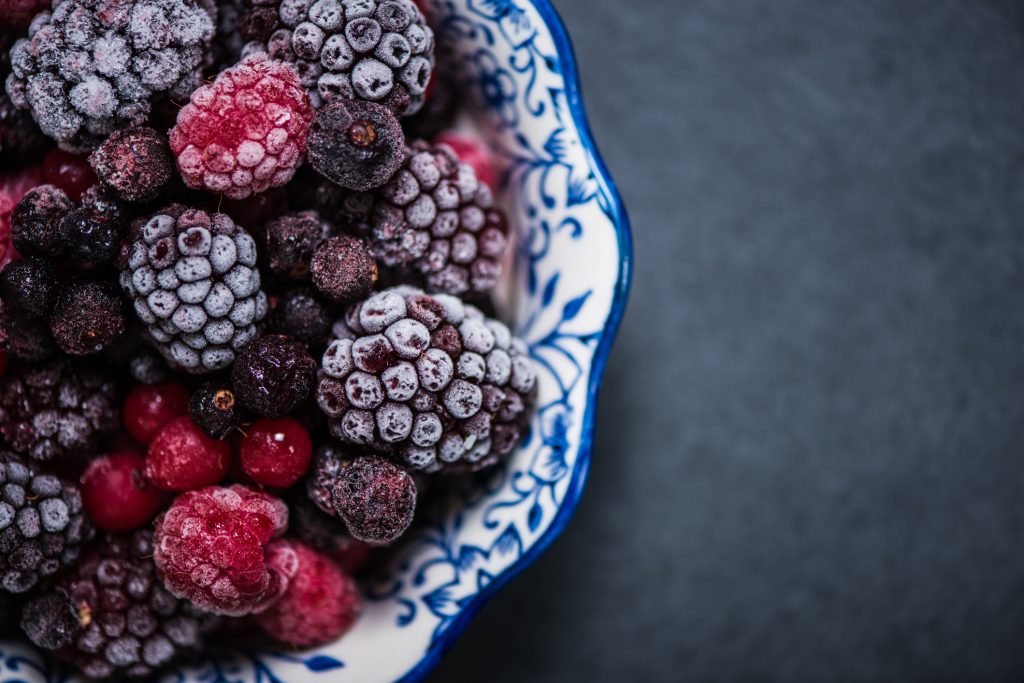
- Frozen mixed berries
- Grapes
- Tomatoes
- Avocados
- Pears
- Mandarins
- A range of summer fruit
- Broccoli
- Various green vegetables
- Baby food.
Safe Food Campaign
For more information, including references, download the Safe Food Campaign’s full submission from this page on their website.
Sign up to the Safe Food Campaign’s newsletter via their website.
Alison White is co-convenor of the Safe Food Campaign and a life member of the Soil & Health Association.
Photos: iStock/Liudmyla Lazoryshyna/merc67