Posts

The Gut Microbiome

8 tips for whole-body health

One of the most complex systems supporting your health isnโ€™t your brain, heart, or even your immune system โ€“ itโ€™s your gut microbiome.

Nutritional therapist Paula Sharp finds out why this internal ecosystem, composed of trillions of microorganisms, is hailed by scientists as key to health research.

We hope you enjoy this free article from OrganicNZJoin us to access more, exclusive member-only content

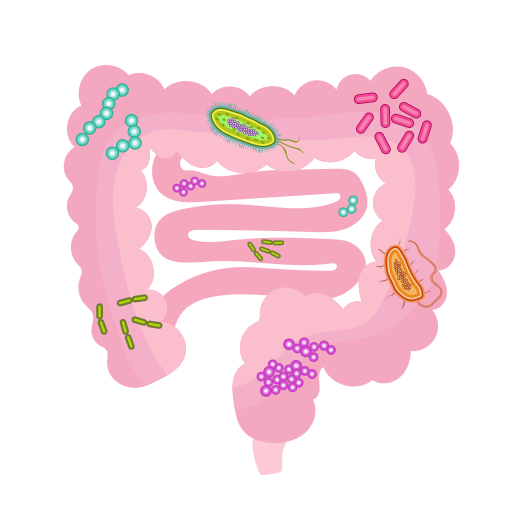
Your gut microbiome is the diverse community of bacteria, viruses, fungi, and other microbes residing primarily in your large intestine.

They are microscopic, but have an enormous collective impact. They have essential roles in digesting food, modulating inflammation, and influencing brain health.

The microbiome also builds and regulates most of our immune function.

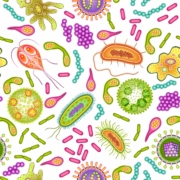
Image: DataBase Center for Life Science, Wikimedia Commons

What is the gut microbiome?

Imagine a rainforest inside your body, teeming with life. Like any ecosystem, the gut microbiome thrives on diversity and balance. This community of microorganisms works together to help you break down fibre, extract nutrients, synthesise vitamins (such as B12 and K), and produce beneficial short-chain fatty acids.

While we tend to think of bacteria as harmful, the majority living in your gut are either beneficial or neutral. These microbes co-evolved with us and perform tasks we cannot do on our ownโ€”such as fermenting non-digestible carbohydrates or keeping pathogenic (harmful) bacteria in check.

Itโ€™s estimated that the human gut contains between 300 to 1000 different species of bacteria, with every individual having a unique microbiome signature, influenced by genetics, diet, environment, and lifestyle.

The microbiomeโ€™s role in the body

Research over the past decade has dramatically changed our understanding of the gut microbiome. Once considered a passive system, itโ€™s now seen as an active organ in its own right, interacting with nearly every physiological process.

1. Digestion and nutrient absorption

Gut microbes help break down complex carbohydrates, such as dietary fibre, that we canโ€™t digest on our own. The fermentation of fibre by certain bacterial strains produces short-chain fatty acids (SCFAs) like acetate, propionate, and butyrate. These SCFAs are anti-inflammatory and nourish the cells lining the colon.

2. Immune system regulation

About 70% of your immune cells reside in the gut lining. A healthy microbiome helps maintain the balance between immune tolerance (not reacting to harmless substances) and defence (attacking pathogens). An imbalanced microbiome may contribute to autoimmune conditions โ€“ in which the body mistakenly attacks its own healthy cells โ€“ and chronic inflammation.

3. Gutโ€“brain axis

The gut-brain axis describes the two-way communication between the gut and the central nervous system. Through neural, hormonal, and immunological pathways, the gut influences mental health.

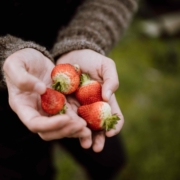
Certain strains of bacteria, particularly lactobacillus and bifidobacterium produce neurotransmitters like serotonin and GABA, these improve mood and cognitive function.

Image: Jill Wellington / Pexels

However, some bacteria mimic and interfere with these neurotransmitters. E-coli, campylobacter and clostridium are some of the bacterial culprits which release inflammation causing compounds (or toxins) causing mood to dip, anxiety to increase and sleep to be compromised.

Emerging evidence even links gut health to neurodevelopmental conditions like autism spectrum disorder and degenerative diseases such as Parkinsonโ€™s disease.

What disrupts the microbiome?

Despite its resilience, the gut microbiome is highly sensitive to changes in our environment and behaviour. Modern lifestyles, particularly in industrialised nations, are often hostile to microbial diversity.

1. Dietary factors

Diets high in ultra-processed foods, added sugars, and low fibre reduce beneficial species and encourage the overgrowth of pathogenic bacteria, which are otherwise not a problem when the microbiome is balanced.

Excessive alcohol consumption and low intake of plant-based foods limit microbial diversity.

Image: Foodie Factor / Pexels

2. Medications

Antibiotics, while lifesaving, can wipe out both good and bad bacteria, potentially leading to long-term imbalance.

Medications that reduce stomach acids, NSAIDs (non-steroidal anti-inflammatory medications), and artificial sweeteners all negatively alter the gut microbiome.

3. Lifestyle stressors

Chronic stress or cortisol poisoning is felt in the gut.  The stress-hormone response increases intestinal permeability (leaky gut) and impairs microbial balance. This can show up as stress diarrhoea, nervous urination, nausea and โ€˜tummy acheโ€™ in the lower abdomen. Is it just butterflies in your tummy, or compromised gut health?

Poor sleep quality disrupts the circadian rhythm of gut microbes. Sedentary behaviour has also been associated with reduced microbial diversity.

Eight ways to nurture your gut microbiome

Restoring and maintaining a healthy gut doesnโ€™t require drastic changes. Simple, evidence-based strategies such as the following can support your microbiomeโ€™s resilience and diversity:

1. Eat a diverse range of whole foods

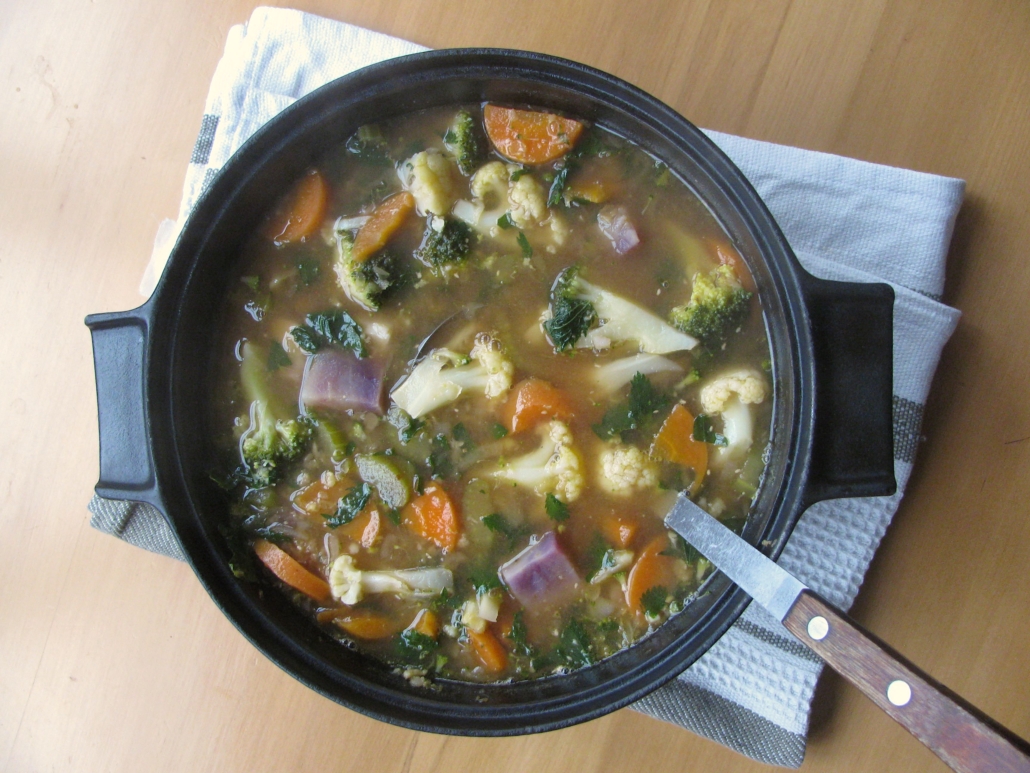
A variety of fibre-rich foods feeds different bacterial strains. Aim for 30+ plant types per week, including vegetables, fruits, nuts, seeds, legumes, herbs, and whole grains.

Image: Oksana S / iStock

2. Prioritise prebiotics and probiotics

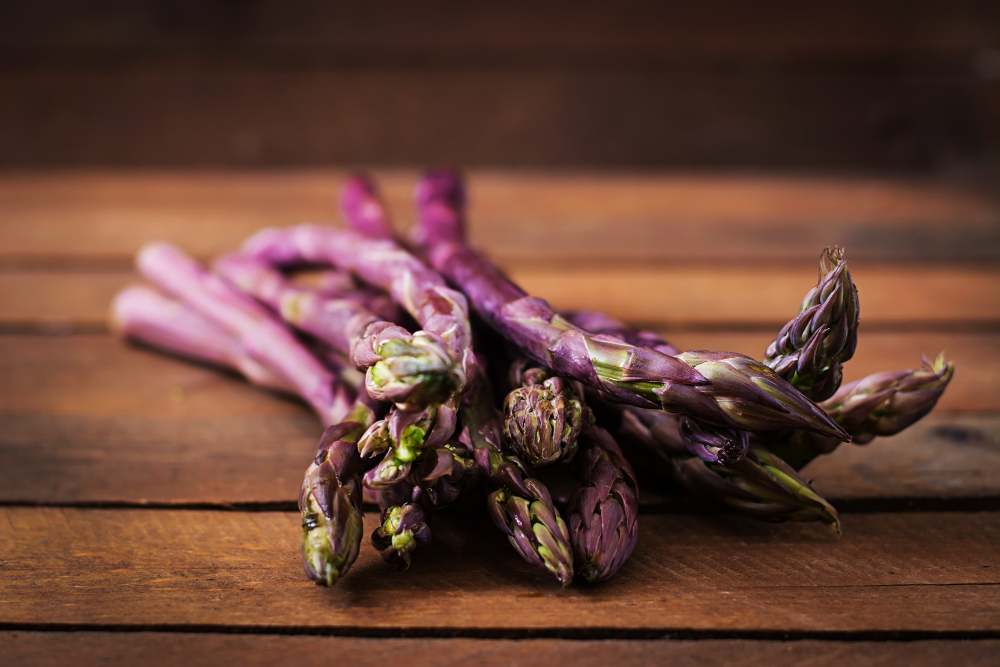
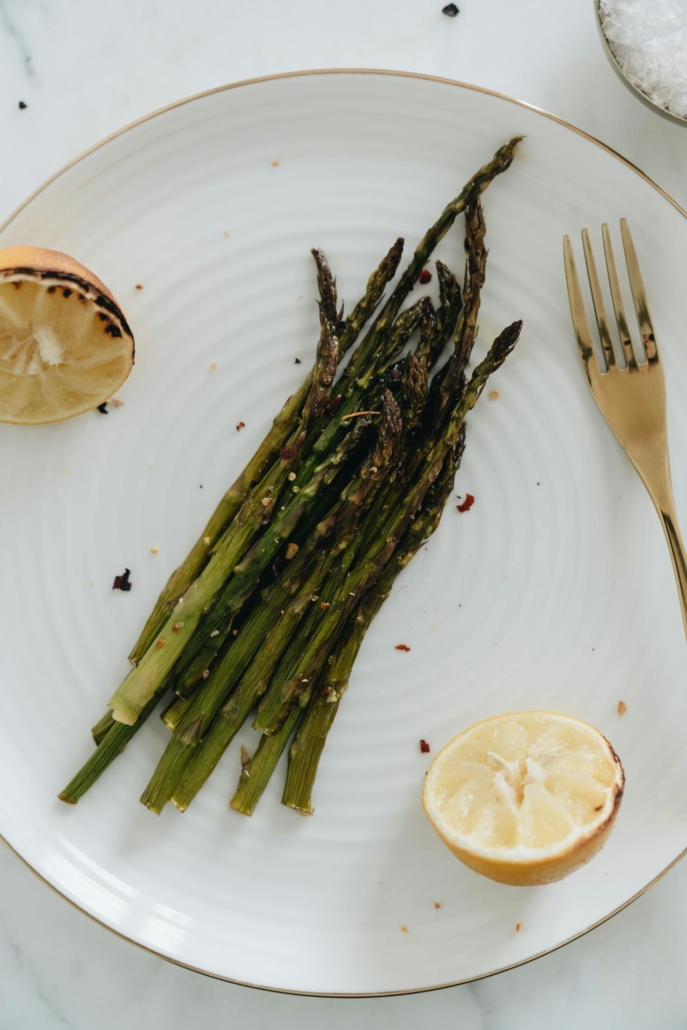
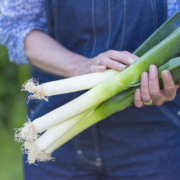
Prebiotics are non-digestible fibres that act as food for beneficial bacteria. Sources include garlic, onions, leeks, asparagus and bananas.

Probiotics are live bacteria found in fermented foods like yoghurt, kefir, kimchi, sauerkraut, and miso. These can help restore microbial balance, especially after antibiotic use.

3. Minimise ultra processed foods

Artificial additives, emulsifiers, and preservatives in highly processed foods harm microbial communities and contribute to metabolic dysregulation.

Ultra processed foods look like this: instant noodles, snack chips, sugary cereals, frozen chicken nuggets, processed cheese slices, fizzy drinks and snack bars.

Many of them contain MSG (monosodium glutamate), thickeners, and phosphoric acid as additives. Taste has been enhanced with lab-produced flavourings such as โ€˜cheese flavourโ€™, โ€˜strawberry flavourโ€™, โ€˜honey flavourโ€™. And the preservatives of choice are sulphates, sodium and/or sorbates. Food labels can feel like a minefield, but if you donโ€™t recognise whatโ€™s on the label, it can be considered ultra processed food. 

4. Stay hydrated

Water is essential for maintaining a healthy gut lining and aiding fibre fermentation.

5. Move your body

Regular exercise has been linked to increased diversity and abundance of health-promoting bacterial strains.

6. Manage your stress

Mind-body techniques such as meditation, breathwork, or gentle movement like yoga can regulate the gut-brain axis and reduce inflammation.

Yoga on the beach (image: LucidSurf/istock)

7. Sleep consistently

A regular sleep schedule supports the natural circadian rhythms of your gut bacteria, which influence digestion and hormone production.

8. Consider supplementation carefully

While probiotic and prebiotic supplements can be helpful, theyโ€™re not one-size-fits-all. Itโ€™s best to consult a qualified health professional to tailor recommendations to your needs.

The microbiome and the future of health

Weโ€™re just scratching the surface of microbiome science. With emerging links to conditions as diverse as type 2 diabetes, cardiovascular disease, allergies, skin conditions, and even cancer, researchers believe the microbiome may soon be a central focus for personalised and preventive medicine.

Microbiome testing and interventions may one day guide us in choosing the best foods, therapies, or even medications based on our internal microbial profile.

The gut microbiome represents a new lens through which we can understand health, illness, and healing. Itโ€™s not about striving for perfectionโ€”but rather cultivating balance.

By eating real food, managing stress, staying hydrated, and treating your gut with respect, you can positively influence not just your digestion, but your immunity, energy levels, mood, and long-term vitality.

AUTHOR BIO: Paula Sharp is a nutritional therapist working one-to-one via Zoom to support womenโ€™s health, restore gut health and digestion, hormonal balance, skin and hair, sleep, shifting weight and health pre- and post-surgery. www.paulasharpnutrition.com
She is also a guest speaker, giving talks to companies on nutrition and mindset. In London she worked in the organic fruit and vegetable industry, and now she is based in Whakatฤne, growing her own extensive spray-free garden.

Strawberries โ€“ย a self-sufficient crop

By Gillian Swinton 

Images and text from The Good Life by Gillian Swinton, photography by Francine Boer Photography and Gillian Swinton. Published by Allen & Unwin NZ, RRP $45.00.

We hope you enjoy this free article from OrganicNZJoin us to access more, exclusive member-only content

Planting strawberries in winter might sound ridiculous, but it is a great activity to do while the garden is dormant. When your strawberry plants are in the ground, you should notice runners coming off each mature plant. These runners are future strawberry plants, meaning that if you look after your plants, strawberries can become yet another self-sufficient crop.

Strawberry plants are going to remain in your garden for a few years, so consider where youโ€™re placing them. Wherever you plant them, they will need a bit of love in the beginning to ensure they fruit in summer. Iโ€™ve chosen to plant ours in the paddock next to our garlic crops, as they make great companions. Keep in mind they will need protection from birds, so growing them in a berry house or in an area you can easily cover is key!

Hamish harvests strawberries from under the bird netting

To obtain runners, find a healthy strawberry plant and locate the running stem from the original plant. There may be a few plants on one runner, and you can take them all. Look for little roots and healthy crowns developing at the base. I trim these down and plant them in a seed-raising mix until spring when the soil temperatures rise.

You could do this in autumn or spring, but I find taking the runners in winter, then keeping them in good soil and well fed with seaweed tonic, means I can build healthy roots in time for a head start in spring.

I also build their future garden beds, ready for the runners when it gets warmer. For my strawberry bed, I:

  • fork the ground gently to get some air into the soil.
  • add compost.
  • add chicken poop โ€” itโ€™s acidic, which strawberries love!
  • add leaf mulch and grass clippings โ€” grass clippings in winter are fine to add as there are no seeds. Mixing them with leaves makes a powerhouse combo.
  • add weed matting. This will protect the plant, suppress weeds and stop any fruit in summer from sitting on the ground. Many gardeners dislike using weed matting, but we use it happily for our strawberry beds. You could replace weed matting with wool or a heavy mulch of pea straw. We get some big winds in spring, so pegging down weed matting helps keep our organic materials from being blown away, as well as retaining soil moisture.
  • blow-torch holes into the matting. Melting the matting seals the holes and makes it easier for us to plant the runners.
  • add an irrigation line under the weed matting, to be hooked up in spring when the runners are planted.

When it comes time to plant in spring, get the young plants and plant in the holes in the matting. You may have to dig down through the layers, but make sure not to cover the crown (the stem where the leaves develop from) with soil. Water in with seaweed tonic and keep plants well irrigated through spring and summer.

New plants wonโ€™t yield much fruit in their first year, but they will do better in years two and three. Keep covered with netting to prevent birds (and dogs) from getting in. With some care each year, you shouldnโ€™t have to buy strawberries or strawberry plants again!

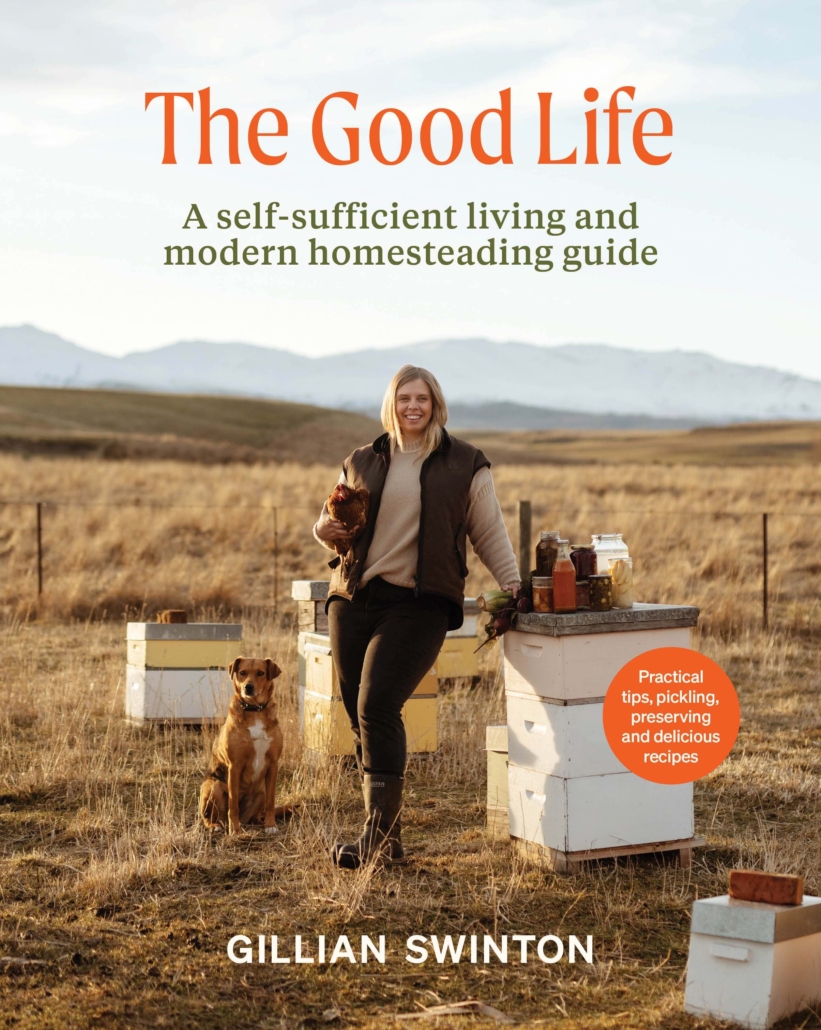
Cover of The Good Life by Gillian Swinton


Get-well-soon soup

By Philippa Jamieson 

Any time I feel remotely unwell, I whip up a batch of this super flavourful and nourishing soup. Serves 4โ€“6.

This is a versatile soup. You can play around with quantities depending on your taste, and use whatever veges are in season: potatoes, pumpkin, parsnip, kลซmara, Jerusalem artichoke, yams, broccoli, cauliflower, mushrooms, kale, shredded cabbage.

Red lentils are quick to cook in this soup, but you could instead add cooked brown lentils, or cooked beans such as pinto or adzuki. 

For an even more Asian flavour, add some chopped Vietnamese mint while cooking, or garnish with freshly chopped coriander.

Recipe first published in Organic NZ, June/July 2018

We hope you enjoy this free article from OrganicNZJoin us to access more, exclusive member-only content

Ingredients 

  • 1                 large onion, finely chopped
  • 2โ€“3             garlic cloves, crushed
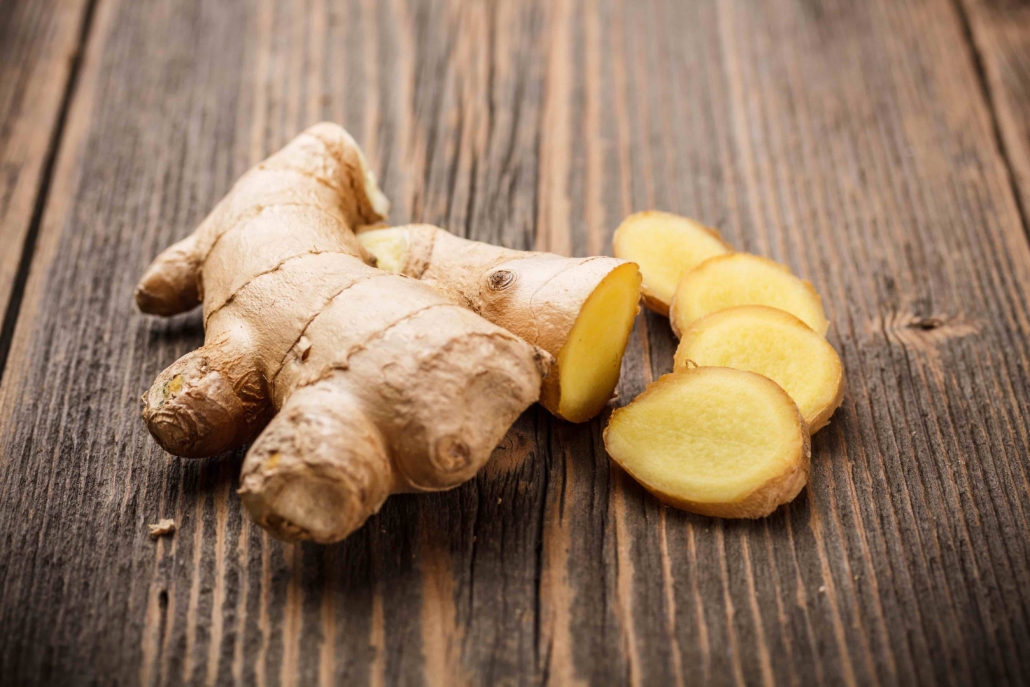
  • 1 T              ginger, grated
  • 1 T              soy sauce
  • 1 T              vinegar (balsamic or apple cider)
  • ยผ t              chilli (or more, to taste)
  • salt to taste
  • 1 T              coconut or olive oil
  • ยฝ cup         red lentils
  • 1 litre          stock or water
  • 2โ€“3 stalks   celery
  • 1                 large carrot, sliced
  • 2 cupsย ย ย ย ย ย ย  kลซmara, cubed
  • 2 cups        broccoli or cauliflower florets
  • 2 cups        chopped leafy greens such as kale, cabbage, spinach, silverbeet, puha or nettle
  • 1 T              miso, dissolved in ยฝ cup hot water
  • juice of 1 lemon
  • 2โ€“3 T          karengo seaweed, dried

Method

  1. Heat oil in a large heavy-bottomed saucepan, then add the first 7 ingredients.
  2. Put the lid on, reduce heat, and let the base ingredients โ€˜sweatโ€™ for 5-10 minutes.
  3. Add lentils and stock or water, and bring to a simmer.
  4. After 10 minutes, add celery and carrots.
  5. After another 5 minutes, add kลซmara.
  6. Once root veges and lentils are becoming soft, add broccoli and cook a further 5 minutes.
  7. Add leafy greens and cook 5 more minutes.
  8. Turn off heat, add lemon juice and miso, and stir through.
  9. Put some karengo to each personโ€™s bowl, then ladle in the soup.
Philippa Jamieson was editor of Organic NZ magazine (2008-2021) and is now the editor of the monthly e-news and website content.

Join the No-Mow movement!

Dr John Fluxโ€™s neighbour once called to see if he had died โ€“ because the grass had grown so long! The Lower Hutt ecologist is an advocate of the no-mow movement because of its many environmental benefits, and describes here how he has implemented it for the past four years in his garden and on the footpath verge.

We hope you enjoy this free article from OrganicNZJoin us to access more, exclusive member-only content

ABOVE: Green desert: The house with lawns as bought in 2016.

The origin of lawns

Lawns are said to derive from Marie-Antoinetteโ€™s wish to show she was rich. The habit spread to English nobility, and then everyone else. Naturalists, the early ecologists, realised how lifeless they were: W H Hudson wrote in 1919: โ€œI am not a lover of lawnsโ€ฆ Rather would I see daisies in their thousands, ground ivy, hawkweed, and even the hated plantain with tall stems, and dandelionsโ€ฆ than lawn grass.โ€

The benefits of No-Mow

Today ecologists list many advantages of No-Mow:

  • an improved habitat for insects, and the birds reptiles, fish, and frogs that rely on them;
  • less petrol for mowing (5% of our carbon footprint);
  • increased carbon sequestration, continuing for many years;
  • reduced flooding (Cyclone Gabrielle damage was due to cut grass mud-flow, and forest trash);
  • it stays green and lowers the risk of wind-blown embers spreading fires;
  • and it saves money.

So I started to implement No-Mow in 2021 to show these advantages.

Implementing No-Mow

The first step was to ask the city mayor for permission not to mow the grass verge beside the footpath. He said to contact the environment section, who all thought it a good idea; but verges came under transport. Their only condition was clear views for motorists turning the corner, so the height limit was one metre. Check your local council rules if you want to put No-Mow in practice on your verge or berm.

The second step should be easy: just sit back and watch what happens. But Western humans are born to interfere with nature to make things โ€˜betterโ€™. Resist the temptation, or at least try a No-Mow patch. (Do not expect stability โ€“ in New Zealand ecological succession ends in forest, and you may prefer tussock.) I confine gardening to watering, weeding, and fertilising raised beds with compost; no sprays of any kind. We know ragwort is a dreadful weed that will spread everywhere, but it didnโ€™t, as explained later, and monarch butterflies love the two or three plants that flower each year (as pictured in the photo at the top of this article).

Unexpected benefit: two apple crops a year

When we bought this house in 2016 it was in clear view from the gate, but today only the front door is visible. The neat brown lawn now reaches your knees and stays green. I was very surprised at the rate native trees grew once No-Mow established a complete ground cover that prevented the soil drying. They reached four to five metres in five years.

Apple trees (Sturmer, Coxโ€™s Orange, and Russet) are pruned to two metres high, and all three produce two crops a year, summer and late autumn. Other gardeners have not reported this, so it does not seem to be a result of climate change, but pears, plums, figs, and feijoas still bear one crop a year.

Dr John Flux with a Sturmer apple tree in his No-Mow garden. The apples are ripe now (April 2025), andย the second crop will be the normal time in August.

Managing the No-Mow garden

This front garden remains No Mow apart from clearing grass against the house for ventilation, and 30cm wide tracks I cut regularly with a push mower for access to prune, pick fruit, and show visitors round. These tracks are now a mix of short grass and white clover.

Most lawns are mixtures of about five grasses, e.g. brown top, fescues (chewings and creeping red), sweet vernal and turf ryegrass is a common lawn. Other species are chosen for a hard-wearing surface (playing fields) or different climates (kikuyu is frost tender). Our berm had kikuyu accidentally introduced in a load of topsoil by the original owner; it dominates that bit of No-Mow (see photo above) and is good for attracting attention โ€“ such as when a neighbour called to ask if I had died.

An experiment

On part of my lawn I set up an experiment: half was mowed, weeded, and watered, as normal. The other half has not been touched in any way since 2021 (see below). Each year the No-Mow area grasses grow about 20cm high and flower heads reach 30โ€“50cm. Sparrows and finches enjoy the seeds until it all dies back to the green base over winter.

For the photos below, I cut the flap of grass that normally covers the orange bricks to show the thick underlay, which is ideal for delaying and filtering runoff in heavy rain. Visitors are impressed that no weeds have managed to invade this patch, despite all the dandelions growing and seeding on the mown lawn opposite. It explains why ragwort in the front garden remains an isolated clump. And I hand out copies of God, St Francis, and Lawns (google it!).

Still, problems remain. Ivy spread over a quarter acre of our previous garden, so I pick out every bit I find here. Kikuyu crawls in from the berm, under the fence and under the No-Mow plants. It is very hard to kill; I chuck it back over the fence where it came from. Muehlenbeckia australis climbs everywhere, but can be traced back and cut lower down. M. complexa is the worst, spreading at ground level in all directions looking for any plant to climb in a twisting spiral. I hope copper butterflies arrive soon to eat it, although many insects probe the tiny flowers.

ABOVE: The near side (lower part of both images) shows a normal lawn grass mix that has been cut, weeded, watered as needed.
The far side (upper part of both images) shows an identical lawn, completely untouched since 2021, and nothing has changed. Some people expect No-Mow to become wild, but after the first year nothing changes. The lawn flowers and dies back to the same level.

Bountiful biodiversity

Looking across the garden from the front gate to the steps into the house gives a typical view of half the garden. The photo below shows, from left: pale green whau (Entelea arborescens), Muehlenbeckia australis climbing on a dead tree, M. complexa, Castlepoint daisy Brachyglottis spp, pate (Schefflera digitata), Coxโ€™s Orange apple, mฤpou (Myrsine australis) growing easily through cocksfoot grass with flowers two metres tall, pear, and the tall bare trunk of mountain papaya (Vasconcellea pubescens).

The grass below the trees is being shaded out, and a closed canopy will lead to a totally different ground cover. What will happen?

Ecology education

I try to get people interested in ecology โ€“ which has been taught in every school in Russia since 2001, and in China. It explains why cutting berms is now illegal throughout Scotland, and many cities in England do not allow lawns anywhere, only shrubs and meadow flowers.

Chinaโ€™s leader in ecological urbanism, Kongjian Yu, completed 200 โ€˜sponge citiesโ€™ by allowing rivers room to spread; stop-banks only make the next flood worse. Two simple rules from Barry Commoner that I find useful are: Everything is connected; and Nature knows best (The Closing Circle, 1971). To illustrate this, below is a predator circle in my garden.


ABOVE: Predators, like weeds, are never simply good or bad: even introduced wasps โ€“ they stop cabbage white caterpillars eating brassicas. Pictured from left to right are: 1) spider eating spider, 2) wasp eating spider, 3) praying mantis eating wasp. 4) spider eating praying mantis.
Dr John E C Flux was an ecologist in the Ecology Division of DSIR for 35 years, Landcare Research for two years, and NZ Ecological Research Associates for 10 years, with a special interest in hares and starlings.
NZ Ecological Research Associates was a company set up at at AgResearch’s Wallaceville campus in Upper Hutt by a group of about 30 redundant DSIR staff, from Ecology, Botany, and Soil Bureau. There were also a few members in Auckland and Nelson, and the group worked on a wide range of things -including spiders on offshore islands, heather on Mt Ruapehu, swamp plants, pest control in orchards, new highway locations, and overseeing Zealandia’s fence construction. It disbanded about 15 years ago.

Azadirachta indica - the neem tree

Neem: Natureโ€™s healing gift to humanity

Book review by Katherine Smith

We hope you enjoy this free article from OrganicNZJoin us to access more, exclusive member-only content

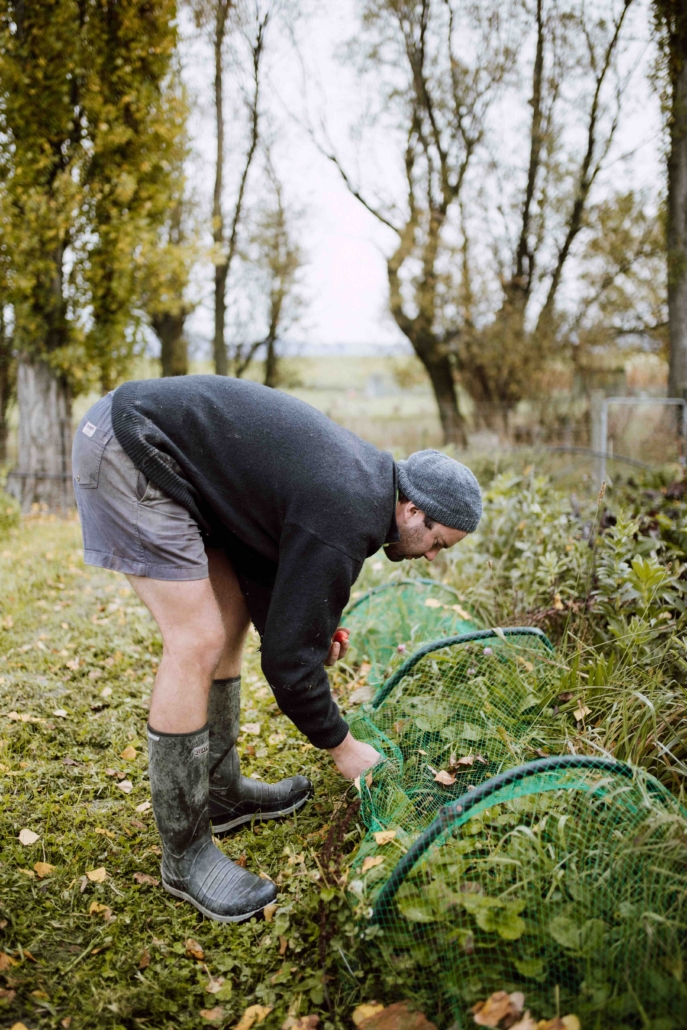
Itโ€™s appropriate that the cover of this book features its author, Klaus Ferlow, standing beside a neem tree, his left arm reaching around to embrace its trunk in a fraternal greeting. Thatโ€™s because Ferlow (originally from Germany) helped to introduce people in North America to the healing properties of the neem tree, after emigrating to Canada in 1975 and founding Ferlow Botanicals approximately 20 years later.

Klaus Ferlow credits his (now late) wife Rose with introducing him to neem by urging him to watch a TV programme called โ€˜Whatโ€™s in a Neemโ€™, narrated by David Suzuki. Inspired by the documentary, Ferlow obtained some neem extract and applied a neem cream to the psoriasis on his scalp and elbow and got relief from this condition in just three weeks. Having previously trained as a herbalist, he decided to set up a business to bring the benefits of neem to the North American market. Ferlow Botanicals is now rum by the Ferlowsโ€™ sons, Peter and Harald, and Ruth (Peterโ€™s wife).

Klaus Ferlow has maintained his interest in neem and founded the organisation Neem Research โ€œto promote neem for human, animal and environmental healthโ€. His new book, Neem: Nature’s healing gift to humanity, includes profiles of neem researchers and entrepreneurs. He gives special credit to the late Professor Dr. Heinrich Schmutterer as โ€˜the father of modern neemโ€™. It was his observation that neem trees had survived a plague of locusts that swept through Sudan when he was on a field trip there in 1959 that caused him to wonder if a natural insect repellent could be present that led to his work researching neem and writing the definitive textbook on neem, The Neem Tree (1995, 893 pages).

From the home of the neem tree in India, knowledge about the tree has spread to North and South America, the Caribbean, Africa and Australia.

Among the examples described in the book is Abaco Neem, a farm in the Bahamas that includes neem trees intercropped with fruit trees. (In all, 120 varieties of fruiting and flowering trees are grown on the farm.) Spiders and beneficial insects like butterflies and bees have thrived in this environment and hives on the farm allow neem honey to be produced as well as other neem-based health and personal care products. Some of these products incorporate beeswax from the hives. Among the products produced by Abaco Neem is a neem-based insect repellent.

ABOVE: Collection of neem seeds for the preparation of seed balls. Photo: Paryavarana Margadarsi Vaisakhi via Wikimedia Commons

The farm has organic certification and the fruit from the neem trees also has the benefit of providing food for birds; a visiting intern from France identified almost 40 different bird species on a single day.

In addition to being used to promote human health when used as a supplement or medicine, neem has the potential to boost food production. Neem extracts can be used as insecticides and โ€˜neem cakeโ€™ made from defatted neem seeds can be used as a fertiliser that also helps to protect plants from nematodes. The book also reports that a constituent of neem (azadirachtin) is being developed as a food additive for farmed salmon in Scotland to treat sea lice infestation of the fish.

In India, a company called Nisarga Biotech has been producing supercritical extracts of neem (using CO2 to extract constituents from the plant) which may be used as botanical pesticides, or in cosmetics or personal or medicinal products. Their product line includes a neem toothpaste and mouthwash โ€“ a modern iteration of the tradition in Indian villages of using neem twigs as a toothbrush. The company has also โ€˜secured a patent for the manufacture of neem leaf CO2 extract for use in treating oral and colon cancerโ€™.
Neem: Natureโ€™s Healing Gift to Humanity is a testament to the hard work and vision of its author and all the individuals whose businesses feature in its pages.

โ€ข Published by Neem Research, 2016, 258 pages, ISBN 9780993727504

โ€ข Available via local booksellers or from Neem Research.

About the reviewer: Katherine Smith is the co-editor of The NZ Journal of Natural Medicine, which first published this review in issue 54 (February 2025).

Photo at top: Azadirachta indica โ€“ the neem tree. Photograph by Kwameghana (Bright Kwame Ayisi) via Wikimedia Commons

Hot cross buns

By Isabel Paschย 

Enriched and decorated breads are a European Easter tradition that dates back thousands of years. Easter was the festival held at the (northern hemisphere) spring equinox in celebration of the Germanic goddess Eostre, the goddess of dawn. It was the end of the long winter fast. The Christian version was really just a takeover of this festivity.

In Europe, enriched and braided brioche breads grace Easter breakfast tables. In Britain, spiced and fruit-enriched hot cross buns became the popular national treat.

Recipe first published in Organic NZ, March/April 2021

We hope you enjoy this free article from OrganicNZJoin us to access more, exclusive member-only content

Freshly baked hot cross buns

Equipment needed

  • 1 baking tray or 1 approx. 24 cm square or round cake tin
  • Kitchen Aid (optional)
  • Piping bag with fine tip, or plastic freezer bag
  • 1 large mixing bowl

Ingredients (makes 10โ€“12 hot cross buns) 

  • 750 g        strong bread flour
  • 400 ml ย ย ย ย  milk
  • 1               egg
  • 150 g        unsalted butter
  • 150 g        golden sugar
  • 1 tsp         vanilla essence or ยฝ scraped vanilla pod
  • 1 pinch     salt
  • 3 tsp         active dry yeast or 40 g fresh yeast
Egg glaze

  • 1               egg
  • 3 Tbsp      water
  • 1 pinch     sugar
  • 1 tsp         spice mix (as below)

Spice mix

  • 2 tsp         ground cinnamon
  • 1 tsp         ground ginger
  • 1 tsp         ground nutmeg
  • 1 tsp         ground coriander
  • 1 tsp         ground allspice
  • 1 pinch     ground cloves

Dried fruit mix

  • 80 g          raisins
  • 40 g          cranberries
  • 20 g          currants
  • 20 g          dried apricots

Cross mix

  • 150 ml      milk
  • 50 g          flour

Method

  1. All ingredients should be at room temperature. Start by soaking the fruit (for 1 hour).
  2. In a large bowl, dissolve the yeast in the milk and add 1 Tbsp of the sugar. Add approximately 150 g flour and mix to a runny batter. Stand in a warmish place for about 30โ€“45 min or until the mixture is bubbling and starting to rise.
  3. Add the rest of the flour, sugar, egg, vanilla, salt and spices. Roughly mix with a wooden spoon.
  4. Tip the dough onto a lightly floured surface and use your hands. Knead and punch the dough until all ingredients are combined and the dough is smooth. Add the butter. Now it gets a little messy again, but as the dough starts to bind the butter, it will become smooth and shiny. Mix by hand for about 10 minutes. Or, if using a kitchen aid or similar, use the dough hook and start on slow for 3 minutes, then go to fast for 3 minutes. After adding the butter, knead for another 2โ€“3 minutes or until the butter is fully incorporated.
  5. Drain fruit mix, add to dough, and mix until evenly distributed (1 min if using a mixer).
  6. Return dough to the bowl, cover it with a teatowel and let it rise in a warm place for 60โ€“90 min or until doubled in size. (Tip: you can do this rise overnight. Instead of letting your dough rise, place it in the fridge and take it out the next morning. It pays to reduce the amount of yeast by 1/3 for this step.)
  7. Tip the dough out of the bowl and punch it flat. Divide it into 10โ€“12 equal portions. Roll into round buns and set at equal distance in your greased cake tin or free shape on a tray, and leave to rise for another 30โ€“40 minutes.
  8. Preheat oven to 200ยบC.
  9. Just before placing them in the oven, pipe on the cross mix with a piping bag fitted with a fine tip. Or a plastic freezer bag with one corner cut off (small hole) will work fine as a single-use piping bag.
  10. Glaze the buns around the crosses with the egg and spice mix.
  11. Immediately after placing the buns in the oven, drop the temperature to 180ยบC. Bake for approximately 30โ€“35 minutes or until golden brown on top. Let cool a little before serving.
Isabel Pasch in the kitchen of Bread and Butter Bakery, Auckland
Isabel Pasch in the kitchen of Bread and Butter Bakery, Auckland. By training a microbiologist and science journalist, Isabel is passionate about organics and ran a bakery for 14 years until 2024, baking a wide range of breads, pastries and more, using certified organic ingredients.

Living Better, Together

The Cohousing Revolution

In an increasingly disconnected world, many people are seeking ways to live more closely with both the environment and one another. For Simone Woodland, a dream to create a different way of life led to the Tฤkaka Cohousing project in Golden Bay. 

Hannah Schenker tells the story. 

We hope you enjoy this free article from OrganicNZJoin us to access more, exclusive member-only content
ABOVE: Simone Woodland and her daughter Frida

The birth of a dream 

Simone Woodlandโ€™s dream began to take shape in 2017 when she applied to become an Edmund Hillary Fellow, and travelled to New Zealand. Driven to live more harmoniously with herself, others, and the land, she discovered cohousing. Her vision became clear: she could create a supportive community for her family to live in, while regenerating the land. From this seed, Tฤkaka Cohousing was born.

Originally from the UK, Simone trained in architecture and urban design before becoming disheartened by the industry and shifting to social entrepreneurship. In Aotearoa, she began exploring alternative, minimalist living through her early business Tiny Lifestyle.

Her passion for community building and sustainability deepened as she transformed this into another business, Elemental Design and Build, further honing her knowledge and interest in eco-conscious, natural construction. To bring her cohousing vision to life, she drew on these experiences and co-founded Mลhua Ventures, a housing development company owned by a charity, Te Hapori Hauora Community Land Trust.

But her love of community started much earlier. โ€œWhen I was a kid, my dad hosted annual street parties in our little cul-de-sac,โ€ says Simone. “It brought all of our neighbours together around a bonfire, sharing kai and doing silly things like three-legged races. It broke down barriers and we became friendly with our neighbours. He showed me that you can create community wherever you are.โ€

ABOVE: Tฤkaka Cohousing from the air

The benefits of cohousing

Cohousing offers a refreshing alternative to traditional suburban living. The concept originated in Denmark in the early 1970s and has since spread globally. It is a community-based housing model where individuals own private homes but share common spaces and facilities. It blends personal privacy with social connection, fostering collaboration, sustainability, and a supportive environment. Residents actively contribute to decision-making and community life, creating a stronger, more connected neighbourhood.

Loneliness is a growing issue in New Zealand, exacerbated by our individualistic society. A 2018 Stats NZ survey found over 650,000 New Zealanders experienced loneliness at least some of the time in the past four weeks. (https://loneliness.org.nz/nz/facts/many-kiwis-feel-lonely/). 

Cohousing can help counteract that. Living in a close-knit neighbourhood opens up possibilities for interactions that foster personal growth, increasing the health and wellbeing of residents, promoting intergenerational connection.

Cohousing also offers environmental, social, and economic benefits. Sharing facilities reduces individual costs and space needs, while sharing green spaces means you donโ€™t have to grow and tend everything on your own.

ABOVE: Residents meeting outside the three-bedroom duplex homes
ABOVE: Sharing a meal in the Common House

How Tฤkaka Cohousing works

Homes are sold at cost with individual unit titles, which banks recognise for mortgage approvals. Residents own their own home and the land directly beneath it, and a share of the common land and facilities, managed by a body corporate.

Architecture and urban planning principles are used to create a pedestrian-friendly layout, with car parking kept to the outside of the neighbourhood. The physical design promotes social interaction in โ€œbump spacesโ€, allowing spontaneous interactions to occur in daily life. This means you donโ€™t always have to pre-arrange catch-ups and cuppas and diarise everything โ€“ it happens quite naturally.

The first neighbourhood has 34 fully occupied duplex homes, with a mix of single and double-storey two- and three-bedroom layouts. Two more neighbourhoods are planned for construction in 2026 and 2027, with a similar mix of options now open for expressions of interest. 

Recipe for success

A big part of why Tฤkaka Cohousing has succeeded is Simoneโ€™s approach of creating a dedicated company to drive the project forward. Rather than relying on a group of peers to navigate the complexities of development โ€“ something that often leads to slow progress or burnout โ€“ she founded Mลhua Ventures, a company with the experience and knowledge needed to deliver the vision.

Through the company, she is able to maintain the momentum of the project, while being a resident herself gives her firsthand experience of what works and what can be improved as the development grows.

The project is currently entering its second phase, with two further 18-home cohousing neighbourhoods to be built on the remaining land along Meihana Street, near Tฤkaka township. Seven hectares of land surrounding the neighbourhoods will be regenerated into publicly accessible parkland through a community land trust.

ABOVE: A carpeted mezzanine in the Common House offers comfy lounge space for board games and movie nights.

Spotlight on sustainability

The duplexes at Tฤkaka Cohousing feature Terra Lana insulation made from recycled sheep’s wool, thicker walls to increase insulation, concrete floors for added thermal mass, and non-toxic paint from The Natural Paint Co. โ€œThe health of the whฤnau living in our homes is our top priority,โ€ says Simone. โ€œItโ€™s about creating spaces that are not just energy-efficient but truly healthy to live inโ€”warm, dry, and well-insulated.โ€

The Common House was built by Elemental Design and Build, guided by Graeme Scott’s passion for traditional timber framing. This off-grid natural build was crafted using untreated, non-toxic and sustainably sourced heartwood lusitanica (Cupressus lustitanica โ€“ related to macrocarpa)  for the framing, staircase, railings and balustrade, and a couple of extra-long pieces of macrocarpa heartwood for framing, all stained with Osmo natural wood stain. 

All of the wood was milled on site, keeping transport and carbon footprint to a minimum, and its natural non-toxic qualities preserve the health and wellbeing of the builders and contractors during construction, and the residents who use the space. Eucalyptus was sourced from Riwaka for flooring, skirting and architraves. Inside the walls is regular H1.2 boron-treated timber. The external weatherboards are macrocarpa (not milled on site, sourced from Totally Timber, and stained with a natural oil stain).

The walls are made using hempcrete panels, manufactured by Kohu Hemp using their own formula of hemp hurd and hydrated lime, and coated in lime plaster by Solid Earth. Hemp is a crop that enhances soil health, and grows in just three months. It creates a breathable, natural product with high insulation values. Hempcrete sequesters carbon dioxide for 50 years.

Additionally, the project acknowledges the importance of mana whenua (local iwi) as kaitiaki (guardians), integrating cultural connections into its development. Mลhua Ventures is owned by Te Hapori Hauora, Mลhua Community Land Trust โ€“ a registered charity.

Te Hapori Hauora governs the land surrounding the cohousing neighbourhoods and has a tripartite structure, with representatives from mana whenua, the cohousing neighbourhood, and the wider Mลhua (Golden Bay) community. The Trust is planning to create a publicly accessible parkland and community facilities on the land surrounding the cohousing neighbourhood, regenerating the whenua for generations to come.

ABOVE: Willing workers installing hempcrete panels

Cohousing in Aotearoa NZ

Cohousing in Aotearoa is still finding its feet, but the momentum is growing as more people realise the benefits of living in community. Pioneering projects like Earthsong (32 terrace homes and apartments in Auckland) and Toiora (21 passive homes in Dunedin) have shown whatโ€™s possible, but many other initiatives still struggle with the usual roadblocks โ€“ funding, land access, and red tape. Despite these challenges, the desire for a more connected, sustainable way of living is stronger than ever.

โ€œWe are now expanding our horizons to support other communities with their plans to create sustainable, alternative housing solutions,โ€ Simone says. Mลhua Ventures has an experienced, professional team that can help with understanding project feasibility, project management, and community building. โ€œWe would love to hear from other communities we can support.โ€

Who lives here?

Residents come from diverse backgrounds and life stages. For Kirsty and Duane, the desire to explore alternative education for their two children led them to cohousing. Recognising the need for community support in their unschooling and life learning approach, they found Tฤkaka Cohousing to be the perfect fit. โ€œWe all live such a rich life,โ€ says Kirsty, highlighting the benefits of a safe, supportive environment where children thrive and connect with people of all ages.

โ€œThe kids are constantly playing with their friends, are safe to walk, bike ride, and run around the neighbourhood without any worries about cars,โ€ she says. โ€œTheyโ€™re learning and connecting with everyone all the time and have developed some amazing friendships, not just with the other children, but also other adults, while gardening or attending working bees. Their contribution is valued, and their opinion is considered.โ€

For some, the location is the biggest drawcard. Golden Bay is known for its beautiful landscapes bordered by two National Parks, for the sacred waters of Waikoropupลซ Springs, and its friendly and creative community.

โ€œItโ€™s the ease of access,โ€ says resident Mazarine Fitzgerald, โ€œto be able to connect with yourself, and nature, and the land.โ€ For her, what makes Tฤkaka so special is also the โ€œsense of community, real friendship and belonging, and all the wholesome events that happen here.โ€ 

ABOVE: Residents Mazarine Fitzgerald (left) and Kate Burness (right)

Shared facilities and gardens

The Common House is central to community life, hosting everything from social gatherings to morning dance sessions. It offers shared laundry facilities, a meeting space, kitchen, extra storage, a bedroom for guests, and hosts monthly meetings and potluck dinners.

Gardens are another shared resource, allowing residents to grow and share produce, and reduce their reliance on external sources. โ€œWe get together for working bees, we plant, weed, and harvest food,โ€ says Simone. โ€œI love it because Iโ€™m learning so much about gardening. Doing it together lightens the load and benefits more than just yourselves, and the kids are growing up knowing where yummy fresh food comes from.โ€

Tฤkaka Cohousing is more than just a housing development โ€“ itโ€™s a community that embodies the values of connection, collaboration, and environmental stewardship. For Simone and many others, it represents a new way of living that aligns with their principles and their vision for a better future. With its blend of shared resources, healthy homes, and a supportive social dynamic, Tฤkaka Cohousing is proving that the future doesnโ€™t have to be a solo journey โ€“ it can be a shared experience. 

ABOVE: Sharing gardens reduces the load for all, while increasing the amount of produce to share. Residents, left to right: Phoebe Fulton, Mazarine Fitzgerald and Deb Rolston
Hannah Schenker is a freelance writer, proofreader, and team assistant at Mลhua Ventures. Sheโ€™s also mama to a beautiful five-year-old, living a life rich in family and creativity.

The coolest tangi

Malcolm Murchie was a long-time Soil & Health member who passed away in June 2017.

National Council member Moko Morris encouraged the whฤnau Murchie to share the beautiful journey of their fatherโ€™s tangi with Organic NZ readers, in the hope it will inspire others to maintain rangatiratanga over their loved oneโ€™s final journey.

Three of Malcolmโ€™s children, Oriwia, Rehu and Winsome, shared these thoughts.

We hope you enjoy this free article from OrganicNZJoin us to access more, exclusive member-only content

First published in Organic NZ Jan/Feb 2018. Photos: Murchie whฤnau

Malcolm Murchie (front), with his son-in-law Hori, daughter Oriwa and son Rehu

Dad left instructions in his will:

  • Procedures described in Living Legacies by Linda Hannah
  • No funeral director
  • Wrapped in a sheet and buried on the Rehu-Murchie Whฤnau Trust property.

Having now read the Living Legacies information on the internet we understand why Dad chose this book. As a whฤnau we managed to achieve his wishes in an organic process, which developed in a natural and flowing way.

Dad died on 21 June 2017. He was placed in a lounge in his whare for the night. First thing was to wash and dress him. The close contact with our loved one at this time was a healing moment. He was given an overall wash and then rubbed with Skin Kai (a blend of rongoฤ and oils). Nappies were put on to contain any bodily excretions (there were none during the entire period he was with us). A rolled scarf was used to hold his chin up. The last ritual for the first three nights was to tie the scarf around his head to keep his chin in place and two coins were placed on his eyes to stop them opening.

We knew we had a long journey ahead of us, from ลŒtaki to Arowhenua (in South Canterbury). The next day we visited various funeral directors to purchase a body bag to use during the trip. We were informed that:

  • what we were doing may be against the law, and
  • no cemetery would allow us to inter someone without a coffin.

Finally we were able to source a body bag with handles from an understanding undertaker in Levin, IC Mark, who were non-judgmental and provided us with a body bag, total cost $75.00.

Dadโ€™s mokopuna were taken to ลŒtaki beach where they found two driftwood poles that became the handles for the body bag. This became Dadโ€™s vehicle when he was to be moved.

Contact was made with the Arowhenua upoko to ensure that what we planned, a natural burial, was acceptable.

Dad lay at home in ลŒtaki for two nights. Manuhiri commented on how natural it was to sit right beside him, and pay their respects with no coffin in the way.

Stage two of the journey was from ลŒtaki to Christchurch. We crossed Raukawa Moana on the ferry. They were very accommodating and allowed for whฤnau to sit in the car with Dad during the crossing. Once we arrived in Picton we checked to ensure everything was in place. The ope split at this time with one group staying with Dad, the other travelling ahead to whakapai te whare in Arowhenua. Dadโ€™s next stop was in Leeston. Whฤnau had prepared his room for the night by placing ice under a marble slab.

On the morning of 24 June we left for Arowhenua, arriving to a haka powhiri performed by his mokopuna mฤ. He lay in the whฤnau whare, Te Wairua Kaimarire, surrounded by his whฤnau. At night he was placed in the back room of the whare on a camp stretcher that had chilly bins of ice underneath it. Some whฤnau slept with him there. Each morning he was moved back to the main whare where a blend of coconut, lavender and tea tree oil was rubbed on him. A few drops of tea tree oil were placed in his mouth prior to his scarf being repositioned under his chin to hold his jaw shut. The rubbing on of the oil was an activity shared by whoever was present. His great grandchildren watched and also helped. Any questions they asked were answered openly and honestly.

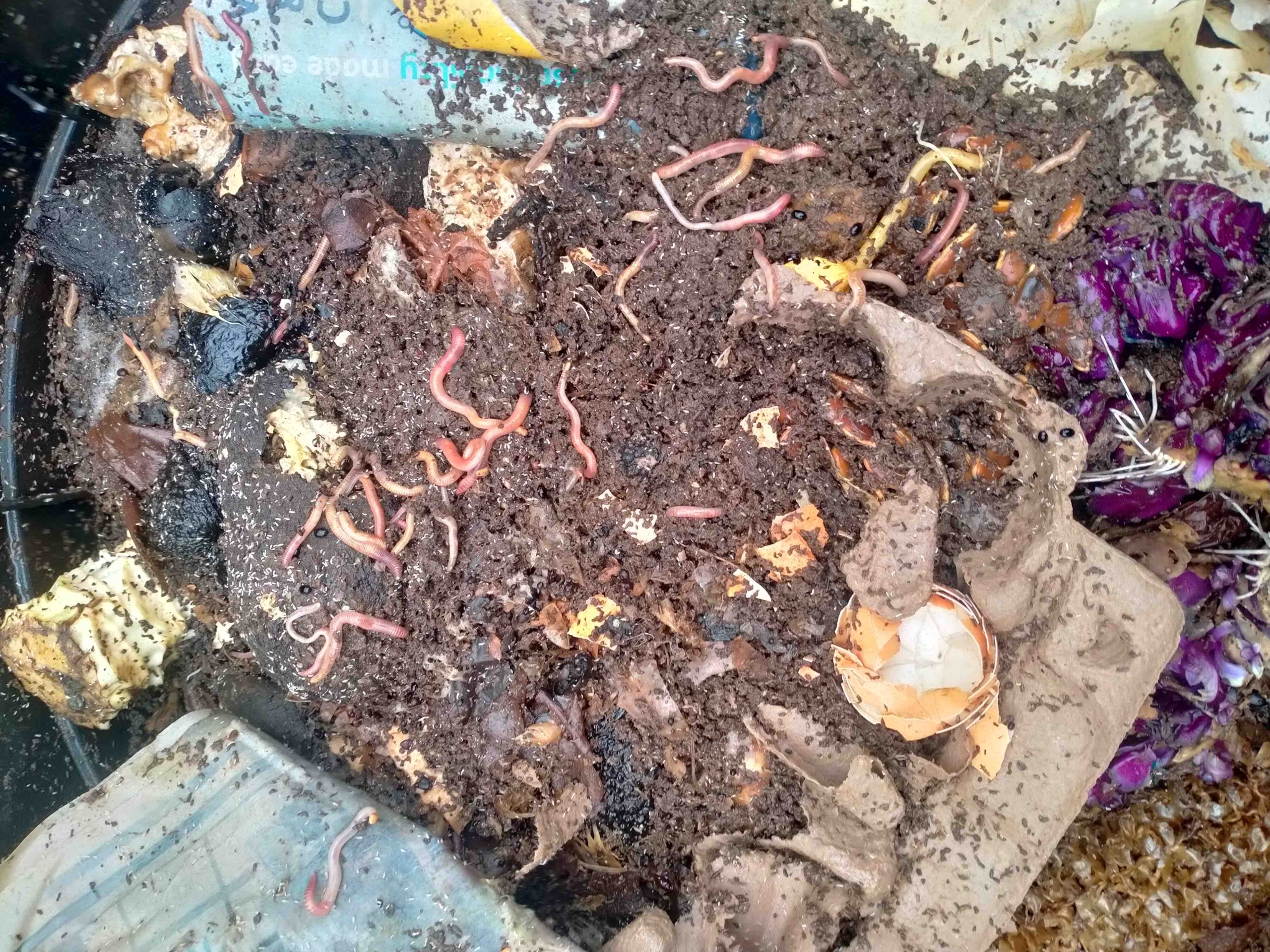
On 25 June a group of his mokopuna went to dig his grave. Instructions were that the hole was not to be too deep, as Grandad wanted the worms to have easy access. The plan was to have a service followed by the nehu the next morning.

Rest in peace, Malcolm

The decision was made to have the service on June 26 at our wharenui, Te Hapa o Niu Tireni. Prior to moving there the last physical process was completed. Dad was oiled and wrapped, mummy style, in two old sheets that had been torn in strips โ€“ Dad saw no need for new material to be bought and then wasted. He was then placed on a Pasifika whฤriki that had been given at the time of Mumโ€™s takiaue. This whฤriki was supposed to go down with Mum but didnโ€™t. It was obviously meant to be used at this time instead.

We gathered at Te Hapa o Niu Tireni, welcomed by whanauka mฤ ki Arowhenua Pฤ. More stories were told and waiata sung. Dadโ€™s final journey down the Pฤ road was assisted by many, who took turns at holding the handles of the body bag. He was lowered down without the body bag, to lie with his wife, Erihapeti Rehu-Murchie in the Arowhenua urupฤ. The whฤnau filled the hole in. There was only a slight mound where he was buried. Four months later I have been informed that this mound has since disappeared and the ground is now level.

Dad had a natural burial. The purchase of the body bag was done due to lack of preparation. In future a stretcher, woven from harakeke, will be used. The use of natural oils replaced the need for embalming. He was returned to Papatuฤnuku with minimum environmental impact. The cost for his burial was $75.00. Burial on the Rehu-Murchie whฤnau whenua was unable to be done as the property is criss-crossed by underground streams.

The process from beginning to end was open. Everyone was given the opportunity to ask questions and receive open and honest answers. His many mokopuna had the opportunity to play an active part in caring for their loved one. The fact that death is part of life was made more obvious as each person contributed to the process.

The healing part of the process started at its onset. Through holding, washing, oiling, travelling with Dad and final preparations for burial, everyone involved was able to grieve whenever they needed to. The right thing to do seemed to materialise along the way. Stories shared and waiata sung were also part of the healing process, and allowed us to honour our father in the way we loved him. One of his mokopuna said it was the โ€˜coolest tangiโ€™ and we agree.

Whanauka mฤ pitch in to return Malcolm to the earth.

Ngฤ kupu Mฤori โ€“ Mฤori words

  • manuhiri โ€“ visitors
  • mokopuna mฤ โ€“ grandchildren and others
  • nehu โ€“ burial
  • ope โ€“ group
  • rangatiratanga โ€“ sovereignty
  • Raukawa Moana โ€“ Cook Strait
  • rongoฤ โ€“ medicine; healing herbs
  • takiaue โ€“ funeral
  • tangi โ€“ funeral
  • whakapai te whare โ€“ prepare the house
  • whฤnau โ€“ family
  • whanauka mฤ โ€“ relatives and others
  • whฤriki โ€“ woven flax mat
  • whenua โ€“ land
  • upoko โ€“ head
  • urupฤ โ€“ cemetery


Photos from Jennyโ€™s garden

Soil & Health member Jenny Williamson shared some photos from her garden near Feilding, taken in February 2025.

We hope you enjoy this free article from OrganicNZJoin us to access more, exclusive member-only content

Jenny Williamsonโ€™s favourite vegetable is beetroot, which grows extremely well in her garden. She grows two varieties: Detroit Dark Red (pictured) and Monorubra (a cylindrical variety).

The green leafy plant is Daubentonโ€™s kale, a perennial plant that Jenny grew from a cutting planted in the spring. Itโ€™s growing well even in part shade. Read more about perennial brassicas here.

The silverbeet pictured is Rainbow Lights, and the pumpkins Jenny is growing this season are Queensland Blue and โ€œjust the usual supermarket greyโ€. Jenny saved seeds of both of these from the previous season.

โ€œI have had tomato blight and have not been able to solve it, unfortunately,โ€ says Jenny. โ€œIโ€™m not keen on spraying. I grew the tomatoes from saved seed from last year so Iโ€™m disappointed in this result. Others I got from a friend are looking all right, and of course the cherry tomatoes donโ€™t seem to be bothered by anything.โ€

Sometimes success comes unexpectedly. โ€œI have also had a great crop of bok choyย (or maybe itโ€™s pak choi) which I did not sow. It just came up and must have been in my compost, although I have not had this vegetable in my garden for several years!โ€

ABOVE: Left – Rainbow Lights silverbeet; Right – Queensland Blue pumpkin


Cultivating Change

Organic NZ interviews Sarah Smuts-Kennedy

Sarah Smuts-Kennedy has dedicated her life to cultivating change โ€“ not just in the soil, but in the way we grow, learn, and connect to the land. From her early days as an artist to becoming an advocate for biology-first regenerative horticulture practices, she has helped reshape how we view the potential of food production in our cities and its capacity to heal the soils we grow in.

Sarah shares her transformational journey, the challenges and triumphs of founding For the Love of Bees (FTLOB), their model farm OMG and the Earthworkers Hort 101 educational pathway.

We hope you enjoy this free article from OrganicNZJoin us to access more, exclusive member-only content
ABOVE: Sarah Smuts-Kennedy, establishing interest in the OMG farm in central Auckland, 2017

Tell us a bit about your background, Sarah. Youโ€™ve had quite a diverse career journey. 

Iโ€™ve had an unconventional path, to say the least. I was an actor for over 20 years, from the โ€™80s through to the early 2000s. In the early 2000s I moved to Australia and became an artist and in 2005 I got to travel to India and exhibit my art in New Delhi. That experience really changed my perspective on the world. I began to use my art practice to explore the environmental issues we were facing, like deforestation and coal mining in Australia.

By 2010, I realised that my art wasnโ€™t having the kind of impact I wanted. I was highlighting problems but not providing solutions. So, I decided to make a shift. I enrolled in a Permaculture Design Course at the same time I began an Master of Fine Arts and started working with biodynamic practices, committing myself to learning how to regenerate land I had just moved to which we named Maunga Kereru. I wanted to focus on solutions and find ways to share these practices with others.

ABOVE: Sarah in her studio at Maunga Kereru, 2023

Youโ€™ve had quite an impact in the regenerative urban farming community. How did For the Love of Bees and Earthworkers come to be?

In 2014, I worked on a collaborative artwork called โ€˜The Parkโ€™, which aimed to bring bees into the city and encourage people to engage with their local food sources. Through this project, I connected with Daniel Schuurman, who introduced me to the idea of using fungi to improve plant health.

I realised that while art could bring attention to environmental issues, it was through practical action that real change could be made. This led to the creation of For the Love of Bees, a project focused on reimagining urban environments as safe spaces for bees. We wanted to build a community that would prioritise biology-first regeneration horticulture. Over the years, that vision grew into Earthworkers, an educational platform designed to equip people with the skills they need to regenerate the land and grow food sustainably.

To date, over 200 people have graduated from Earthworkers, many of whom are now working professionally in the sector, spreading the knowledge theyโ€™ve gained through workshops and projects of their own.

ABOVE: Pลwhiri for the Rongoฤ gardens at Wellesley St, central Auckland, pre OMG (2017)
ABOVE: Sarah (at left, wearing a hat) with Earthworkers participants at OMG (Organic Market Garden) in 2021

What led you to focus on education and mentorship in the agricultural sector?

Iโ€™ve always believed in learning from those who are actually doing the work. Thereโ€™s so much theory out there, but hands-on experience makes the difference. After taking various courses and learning from experts like Graham Sait and Jodi Roebuck, I realised that no one was offering an educational pathway that combined learning with ongoing mentorship.

When youโ€™re starting out in regenerative farming, so many questions arise in the field. Without proper support, itโ€™s easy to fall back on old habits or resort to quick fixes โ€“ like pesticides or even organic fertilisers that may not always benefit the ecosystem as a whole. Thatโ€™s why we integrated post-course mentoring into Earthworkers Hort 101.

The idea is that students donโ€™t just leave with knowledge; they have a community to lean on as they continue to learn and grow. The mentorship component ensures that they implement the practices and make decisions that prioritise soil healthโ€”the foundation of any regenerative system.

What makes Earthworkers Hort 101 different from other agricultural courses?

Our course is built around a biology-first approach to regenerative farming. We focus on soil remediation and fostering healthy ecosystems as the foundation for sustainable food production. Biology-first means prioritising the health of the biological engine of the soil, which leads to healthier plants and greater economic resilience for growers.

But itโ€™s not just about theory โ€“ itโ€™s about learning through doing. Our five-day intensive course is split between a deep dive into soil science in the classroom, and hands-on fieldwork. We teach everything from the microbial world and mineral cycles to soil testing and plant health monitoring. In the afternoons, we take these concepts into real-world settings โ€“ farms, community gardens, or home gardens โ€“ where students see regenerative systems in action. We teach on model farms that actively use the principles we promote, because seeing is believing. We teach people to investigate their own siteโ€™s condition and only make the amendments it needs, with a less-is-more approach.

Most importantly, after the course ends, we donโ€™t just send students on their way โ€“ we provide ongoing mentorship. Our alumni network has become an incredible resource, with experienced graduates mentoring new students and sharing their knowledge. This sense of community is one of the most valuable aspects of the programme.

ABOVE: Sarah (centre in pale grey) and participants in Earthworkers 101 at Kaicycle, Pลneke Wellington, 2021

โ€œTrue learning happens in the field, side by side, hands in the soil.โ€ โ€“ Sarah Smuts-Kennedy

Why do you believe that food biology-first regenerative production is key to addressing environmental challenges?

Biology-first regenerative agriculture is one of the most powerful tools we have to combat biodiversity loss and heal farm ecosystems. It restores soil health, which leads to better food production and resilience against climate extremes.

We see the results firsthand โ€“ year after year, crops thrive, yields improve, and produce lasts longer due to higher nutrient density. This means healthier food for consumers and fewer pesticide residues, which is a growing concern for many. Farmers want to grow better, but they face barriers: time, money, and the risk of change. Thatโ€™s why education and support are critical. Weโ€™re now seeing larger-scale growers becoming interested in regenerative techniques, and we believe itโ€™s important to offer a locally supported pathway that harnesses the knowledge of their own communities.

Whatโ€™s next for you and For the Love of Bees?

Separating the farm (OMG) from the Earthworkers educational pathway was a tough decision, but itโ€™s allowed us to focus fully on expanding Earthworkers. We want to develop resources to help people learn how to regenerate their land, no matter where they are, and support our alumni who are expressing a desire to train to be regenerative agronomists like Daniel.

I get excited seeing how our alumni continue to innovate and inspire others. Weโ€™ve built a strong community, and by supporting each other, we can keep growing this movement. Ultimately, my goal is to keep learning, keep teaching, and keep building a world where people are more connected to their land and food. If we can do that, weโ€™ll be well on our way to healing both our landscapes and our communities.

ABOVE: Sarah with school children in Auckland at Highwic Historical House. This was a pasture painting project, in collaboration with Auckland Council, Enviroschools, Parnell Rotary, and Newmarket and Parnell primary schools.

Any final thoughts on teaching and learning?

It has always been important to me that teachers practice what they teach. While I am not a commercial grower, I have spent the last 15 years deeply immersed in regenerative growing. Maunga Kereru, my 10-acre property just 45 minutes north of Auckland, has served as both sanctuary and laboratoryโ€”a place where mistakes have become lessons, and experiments have shaped my evolving understanding of ecosystems.

One of my greatest teachers has been the land itselfโ€”specifically, a 400-square-metre food forest that I regenerated from an engineered, compacted clay driveway. Over 15 years, this hard clay has transformed into the heart of food production at Maunga Kereru, providing evidence that even the most degraded soils can be revived through thoughtful interventions and design.

ABOVE: Photos from Sarah’s land, Maunga Kereru, Mahurangi West. Left to right: establishing compost, working bee, spring blossom amidst lush growth

I began learning how to teach hereโ€”first with my WWOOFers, then through workshops with the biodynamic community, and later with the FTLOB and OMG communities. For the past eight years, I concentrated my teaching at the FTLOB OMG farm, but my systems were always tested and refined here at home. More recently, Iโ€™ve returned to teaching at Maunga Kereru, where students can see permaculture, biodynamic, syntropic, raised beds, and traditional horticulture integrated side by side.

My knowledge is valuable, but I wouldnโ€™t feel confident teaching Earthworkers Hort 101 without Danielโ€™s 40-plus years of experience as a grower and agronomist leading us. I am still a student, and each time I participate in an Earthworkers course, I integrate more complex ideas into my knowledge base. As Daniel always says, we are all learning together.

We invite the growers who host Earthworkers Hort 101 on their farms to run modules, and we encourage students to bring their own experiences into the conversation.

After all, true learning happens in the field, side by side, hands in the soil.

ABOVE: Levi Brinsdon-Hall, Sarah Smuts-Kennedy and friend at the first working bee at OMG, 2018. Photo: Aaron McLean

Earthworkers Hort 101

In 2025 we at the FTLOB organisation are dedicating our focus on creating an educational pathway that will allow growers to journey with us from beginners to agronomists.

The Earthworkers Hort 101 March course in Kirikiriroa/Hamilton was a huge success. 

With two more courses this year, growers will be able to advance their training and benefit from the ongoing post-course mentoring programme.

COMING UP: Earthworkers Hort 101, 21โ€“25 July 2025, Pลneke/Wellington

We are thrilled to be returning to this urban farm and community compost hub that hosted us four years ago, and being able to contribute to the regionโ€™s growers biology-first regenerative methods.

Find out more andย ENROL HEREย by 7 July 2025, 9pm