• Link to Facebook
  • Link to Instagram
  • Link to LinkedIn
Reset member access or visit Soil & Health NZ
Organic NZ
  • Articles
    • Features
    • Gardening
    • Health and Food
    • Farming and Horticulture
    • Building and Technology
    • News
  • Competitions
  • Donate
  • Login
  • Join Us
  • Click to open the search input field Click to open the search input field Search
  • Menu Menu

Tag Archive for: Free to read online

Posts

Mushrooming with next-gen homesteaders

22 Jan 25/in Building and Technology, Education and Knowledge, Farming and Horticulture, Features, Free Online, Gardening, Health and Food

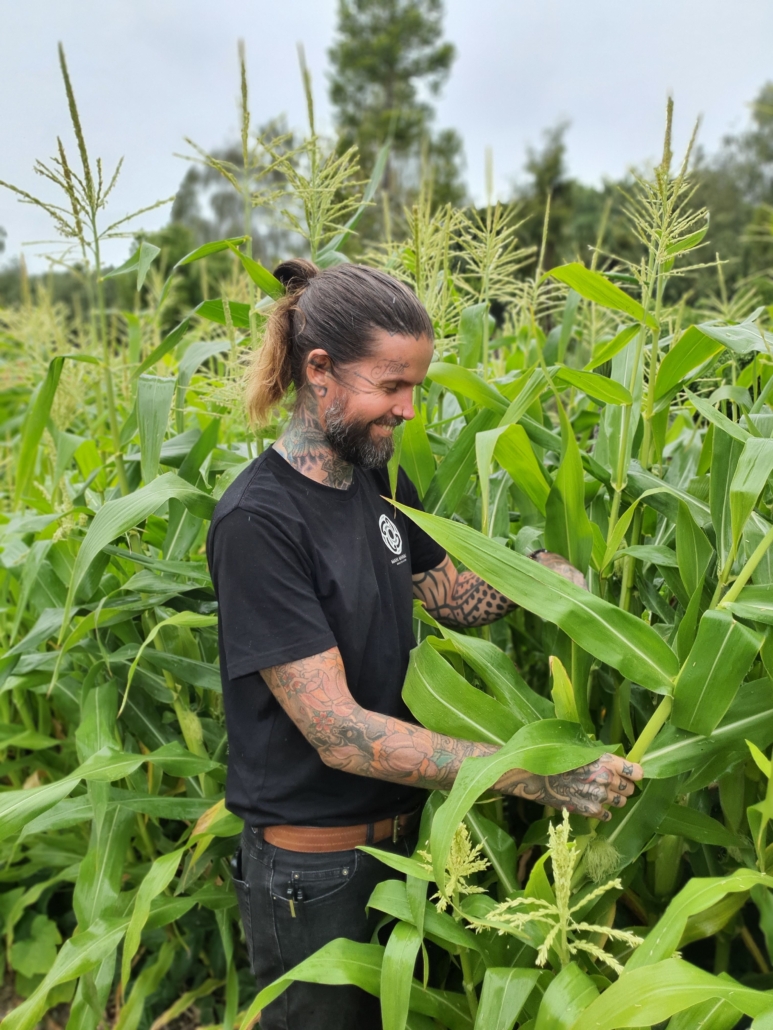
Lenny Prinz and Jodi Collins are next generation homesteaders living in ลŒpลtiki, Eastern Bay of Plenty. In 2009, Lenny started as a fungiculturalist: growing mushrooms and cultivating their spawn. Jodi is a potter and artist, committed to growing the coupleโ€™s children with the principles of sustainability and child-led learning.

Lenny has expanded the utility of farmed mushrooms by developing compostable packaging using mycelium, as an alternative to polystyrene. Jodi also works using zero-waste principles. In her creative work she upcycles and recycles to produce art with humour and meaning, and more formal pieces.

Nutritional therapist Paula Sharp met Lenny and Jodi at an oyster mushroom workshop, and tells their story here.

We hope you enjoy this free article from OrganicNZ.  Join us to access more, exclusive member-only content

Organic lifestyle 

ลŒpลtiki, gateway to the East Cape, has become home for Lenny and Jodiโ€™s family. Their homestead was built in 1907 and now boasts a huge spray-free vegetable garden using agroforestry methods. There are ducks, young chickens turning over the compost heap, while mature hens roam and lay their eggs (unpredictably at times) near their mobile coop.

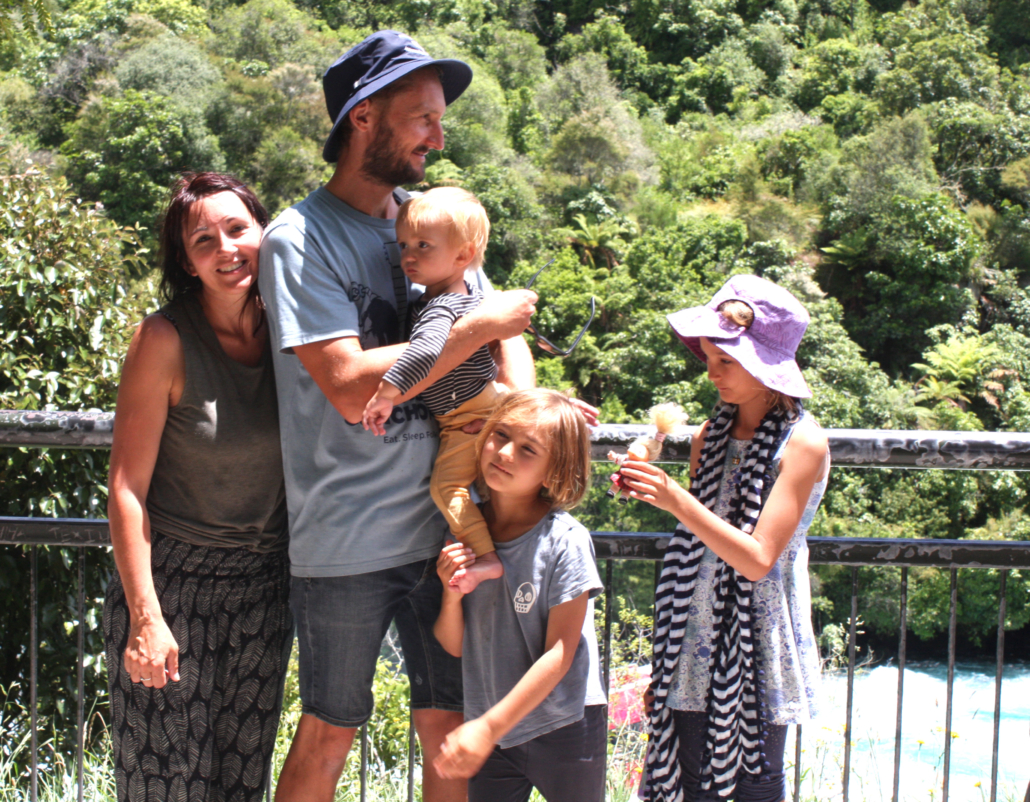
Three generations live here: Lennyโ€™s father, Lenny and Jodi, and their three children, Juliana (10), Albaer (7) and Iver (2). Life is hectic as they balance planting, growing and harvesting with hunting, home schooling, creativity, mushroom cultivation, the science of mycelium, and agroforestry education.

Lennyโ€™s parents emigrated from Germany in 1990 in the wake of Chernobylโ€™s creeping contamination concerns. They chose to settle in Whakatฤne and later Pikowai, near Matatฤ, in order to provide an organic lifestyle for their family. Lenny, now is his 30s, is doing the same thing for his family. Lenny and Jodiโ€™s ethos is multi-layered: to connect people with the land and growing, to invest in the future of their family and community, and to live a sustainable and honest life.

Jodi is an advocate for homeschooling, and can offer advice for parents and carers in the homeschooling network, or considering being part it.

ABOVE: Left – Jodi at work on her art
Right – Some of Jodiโ€™s playful creations

Spawning and supporting

In his small sterile (and mobile) laboratory, Lenny grows mushroom spawn. Fourteen years of experience, previously in Raglan, mean that Lenny is an expert in his field. Pink and grey oyster and native tawaka (poplar) mushrooms are currently his most popular.

It takes approximately 14 days to grow Petri dish spawn to colonised substrate ready to fruit. The substrate is a carrier product (for example straw or sawdust), and itโ€™s colonised when the spider web strands of mycelium grow through it. One of Lennyโ€™s business activities is to send spawn and colonised substrate around New Zealand to different growers. They fruit the mushrooms and sell them or use them within their own businesses.

Lenny is driven to support regional growers, particularly now as many small entities have suffered in the post-covid period. Many business costs are increasing, but Lenny is reviewing how to make his products cheaper and more affordable so they can reach more people and help the survival of small businesses. He also coaches and mentors start-up growers to be fully functioning businesses, teaching people how to grow from spawn to then market mushrooms and/or grow their own spawn for marketing purposes.

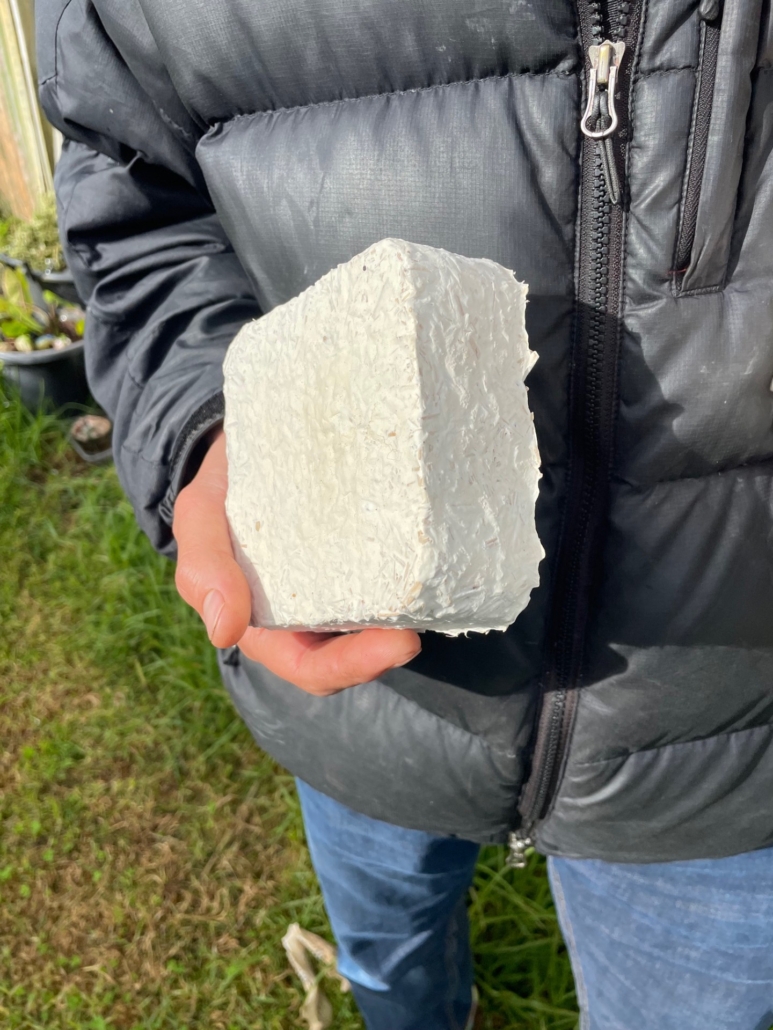
ABOVE: Left – Lenny Prinz with his compostable packaging made of mushrooms, and oyster mushrooms.
Right – Close-up of oyster mushrooms.

Native mushrooms

Lenny is successfully experimenting with native edible mushrooms in order to supply spawn or mushroom fruit to the New Zealand culinary market. He spends time foraging, on the hunt for endemic species that he can replicate as spawn, picked from local surroundings. New Zealandโ€™s strict biosecurity laws mean thereโ€™s no opportunity to import different mushroom varieties, but this doesnโ€™t faze him in the least. โ€œWe just need to eat closer to home. I want to make our native mushrooms available to Kiwis.โ€

Native edibles that Lenny cultivates besides the tawaka and oyster varieties are the New Zealand native shiitake, pekepeke-kiore (New Zealand lionโ€™s mane), enoki, hakeke (wood ear), garden giants (or wine caps because of their colour), turkey tail and the New Zealand reishi (of the Ganoderma family).

Lenny is interested in the nutritional and medicinal value of mushrooms. His most popular medicinal varieties are turkey tail, reishi and hakeke. Turkey tail is a tough, leathery mushroom that is best brewed as a tea or tincture and supports immunity. New Zealand reishi is renowned for its immune-boosting qualities too and supports sleep. Wood ear or hakeke is used to treat colds, reduce fevers, and to strengthen the cardiovascular system. (If youโ€™re new to medicinal mushrooms, always consult a professional before use).

Soil health, mycorrhiza and carbon sinks

The link between mushrooms and other produce is very clear to Lenny; itโ€™s soil health. Good quality soil produces nutrient-dense vegetables, fruit and animals. Mushrooms, specifically mycorrhiza fungi, have a big part to play in soil quality.
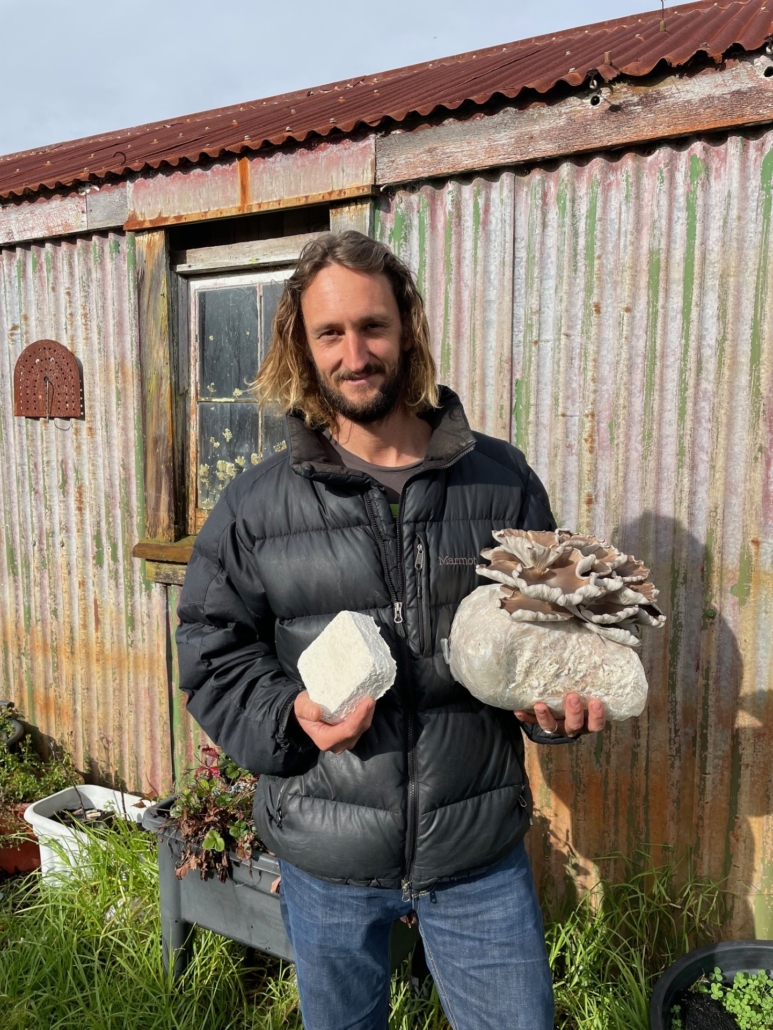
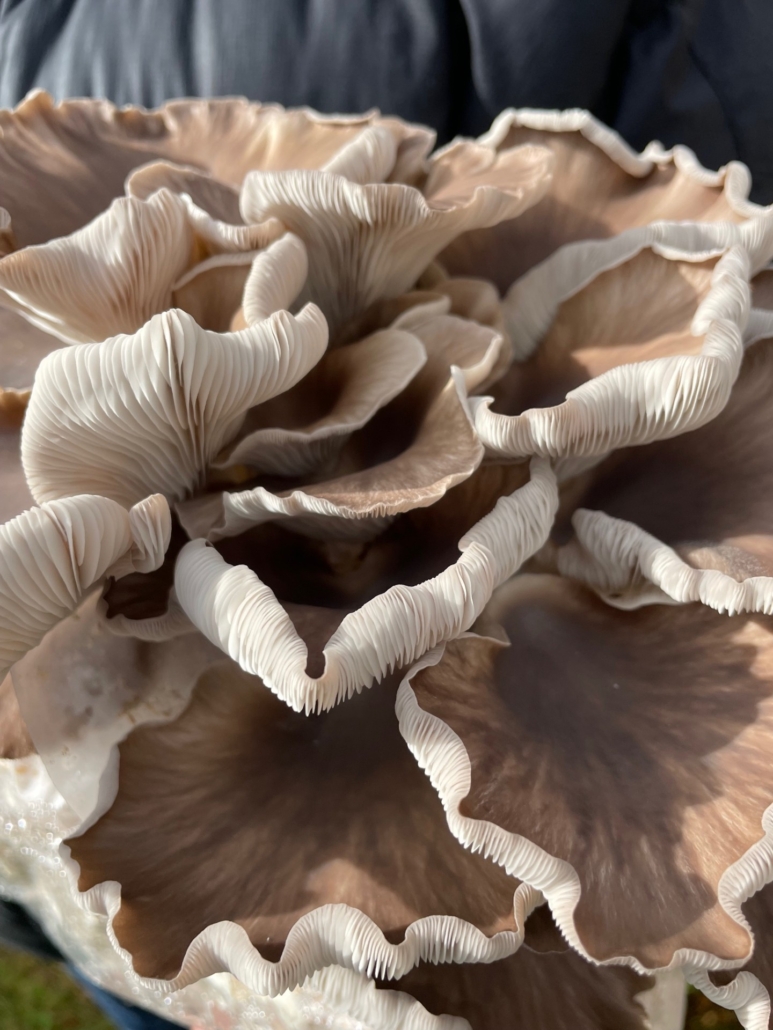
Most mushrooms (button, oyster, reishi etc) live and feed on dead matter, whereas mycorrhizal mushrooms grow in close, symbiotic relationships with the living roots of plants or trees. Mycelium strands of the fungi attach themselves to the root of the host, expanding the reach of the root to absorb and transport nutrients and water to the tree. In return, the tree provides the mycorrhiza with sugars and starches produced through photosynthesis.

We would recognise mycorrhizal fungi as the edible fruiting bodies of mushrooms such as truffles, chanterelles and porcini. There are many more which are not edible. Edible mycorrhiza are notoriously difficult to cultivate, but all grow well in the wild. There is even more magic to this relationship: these fungi act as natural carbon sinks. They can hold carbon produced by the host in their tissues and the surrounding soil. Like biochar, mycorrhizal fungi have a part to play in our carbon solution.

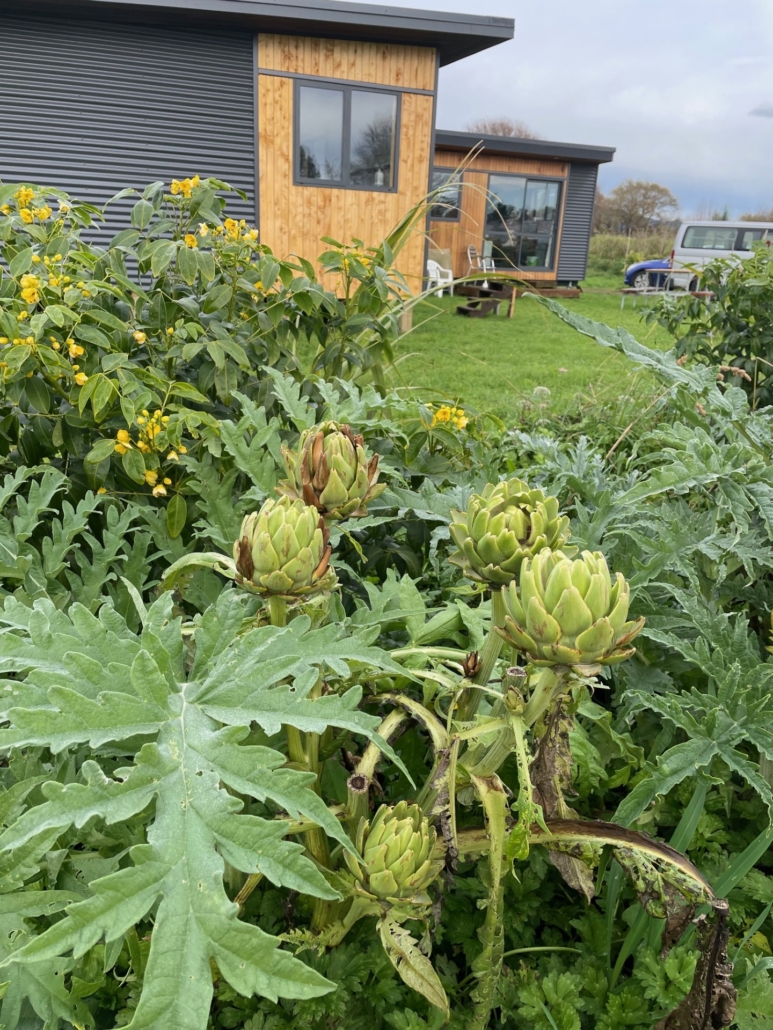
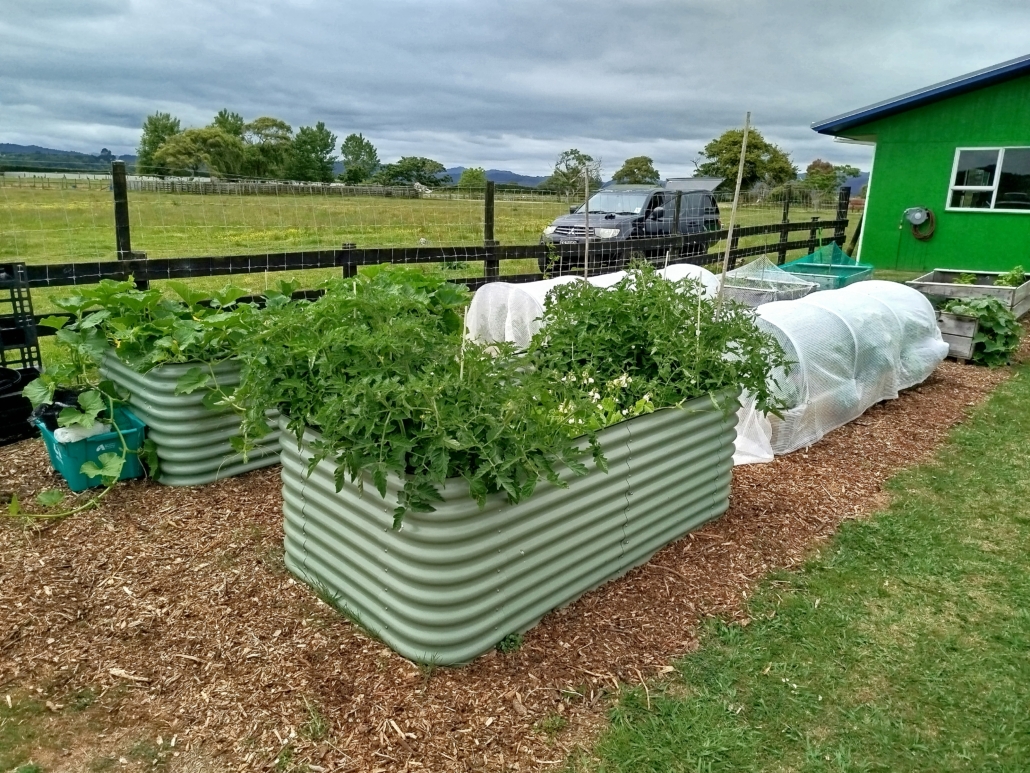
ABOVE: Left – Lenny was involved in the installation of this no-dig vegetable garden at the McKenzie family’s home as part of Te Pฤtaka Kai a Toi mentorship project

Right – Globe artichokes at Jodi and Lenny’s family farm

Sharing the knowledge

Lenny shares his knowledge as a sustainable gardener and mushroom educator. He supports regional growers, and coaches start-up enterprises to fully functioning businesses.

On his land he runs mushroom growing workshops and shares sustainable gardening tips with curious people. He doesnโ€™t keep secrets around his growing techniques but shares his knowledge and experience so others can try it out in their own gardens or with their mushroom growing. For example, after years of using different activated straw as his growing compound for the mushroom mycelium, he has found a soya and pine pellet mix which is affordable, less time consuming and more sustainable.

Gardening and community food sovereignty

Similarly, he shares his version of food forestry, using his land as his example; it works for him. Lenny and Jodi use a variety of growing practices. Theyโ€™ve created a vegetable garden using companion planting, organic matter, no-till farming practices and agroforestry (larger plants sheltering vulnerable leafy greens and providing pollinating insect food). And itโ€™s working to keep the soil healthy and crops abundant โ€“ last season the kลซmara patch produced some tubers weighing as much as six kilos each!

Lenny and Jodi have planted a fruit orchard and sell spray-free seedlings cheaply. Theyโ€™re always thinking of how to give back to the land and its people. More recently Lenny has worked with Ihi Kura Gym to create a garden supplying food to its members, and with Te Ao Hou Trust to project manage local growing ventures. Lenny is helping to grow growers, using the foundations of food sovereignty.

ABOVE: Left – the beginnings of a food forest at Ihi Kura Gym, as a border around a childrenโ€™s play area
Right – raised beds at Ihi Kura Gym, ลŒpลtiki

Compostable fungi packaging

Over the years, Lenny has immersed himself in the science of mushrooms and the various uses for mycelium and mushroom compounds. Perhaps the cap on the top of his fungi is that heโ€™s part of a team spearheading compostable packaging.

As chief technology officer for the company BioFab, Lenny has been instrumental in developing an alternative packaging material made from agricultural waste and mycelium, aimed at replacing polystyrene. This multi-use product can be domestically or commercially composted within 30 days.

BioFab recently located its operations to Australia in order to broaden its reach in the Australasian packaging market. Its mission is โ€˜to significantly reduce the harm toxic materials are causing to the planet and encourage a world where waste streams regenerate, rather than destroy our natural environment.โ€™ www.biofab.bio/

ABOVE: An example of the compostable mushroom packaging from BioLab

Growing humanity

Perhaps even more important than growing mushrooms, fruit and vegetables is that Lenny Prinz and Jodi Collins are growing humanity. Theyโ€™re focused on the health and wellbeing of their family, their community, New Zealanders and making change globally. And thereโ€™s no doubt this inspiring couple are making a positive difference.

ABOVE: Jodi and Lenny with their children Iver, Albaer and Juliana PHOTO: John Bell

Contacts

Lenny Prinz Mushrooms 021 063 8463 prinzmushrooms@gmail.com

Jodi Collins: misspopinjaycreations@gmail.com Instagram @happybonesart Facebook @misspopinjay

Do you speak mushroom?

  • Cap: The top of the mushroom, gills underneath.
  • Casing layer: A layer of water-holding material, layered on top of a substrate to promote mushroom growth.
  • CO2: Carbon dioxide gas is exhaled by mushrooms.
  • Colonise: Mycelium is grown from one substrate to the next. Once the intended substrate is completely dense with white, it is fully colonised and ready to produce mushrooms or be transferred onto the next substrate.
  • Culture: A pure mushroom strain.
  • Flush: When mushroom substrates produce mushrooms.
  • Fruit-body, fruiting body, mushroom: The edible part of the mushroom
  • Gills: The underside of the cap, thin lines
  • Incubation: Period of time between substrate inoculation to mushroom.
  • Mycelium: This is the bulk of the mushroom; it is a fine root like structure that secretes enzymes digesting material externally.
  • Mycology: The study of fungi.
  • Pasteurisation: Process that kills most spores and other non-beneficial organisms in bulk substrate.
  • Spawn: Sterilised grain or sawdust with a selected mushroom culture grown through it.
  • Spores: Mushroom โ€˜seedsโ€™. Tiny microscopic single celled reproductive product that are dropped from the gills of the mushroom.
AUTHOR BIO: Paula Sharp is a nutritional therapist working globally via Zoom to support womenโ€™s health, restore gut health and digestion, hormonal balance, skin and hair, sleep, shifting weight and health pre- and post-surgery. www.paulasharpnutrition.com
She is also  a guest speaker, giving talks to companies on nutrition and mindset. In London she worked in the organic fruit and vegetable industry, and now she is based in Whakatฤne, growing her own extensive spray-free garden.

https://organicnz.org.nz/wp-content/uploads/sites/2/2025/01/IMG_4121cropped-scaled.jpg 1186 2560 membership https://organicnz.org.nz/wp-content/uploads/sites/2/2024/09/OrganicNZ-2024-Masthead.png membership2025-01-22 11:21:182025-04-03 16:25:43Mushrooming with next-gen homesteaders

Working with the earth

18 Dec 24/in Education and Knowledge, Farming and Horticulture, Features, Free Online, Gardening

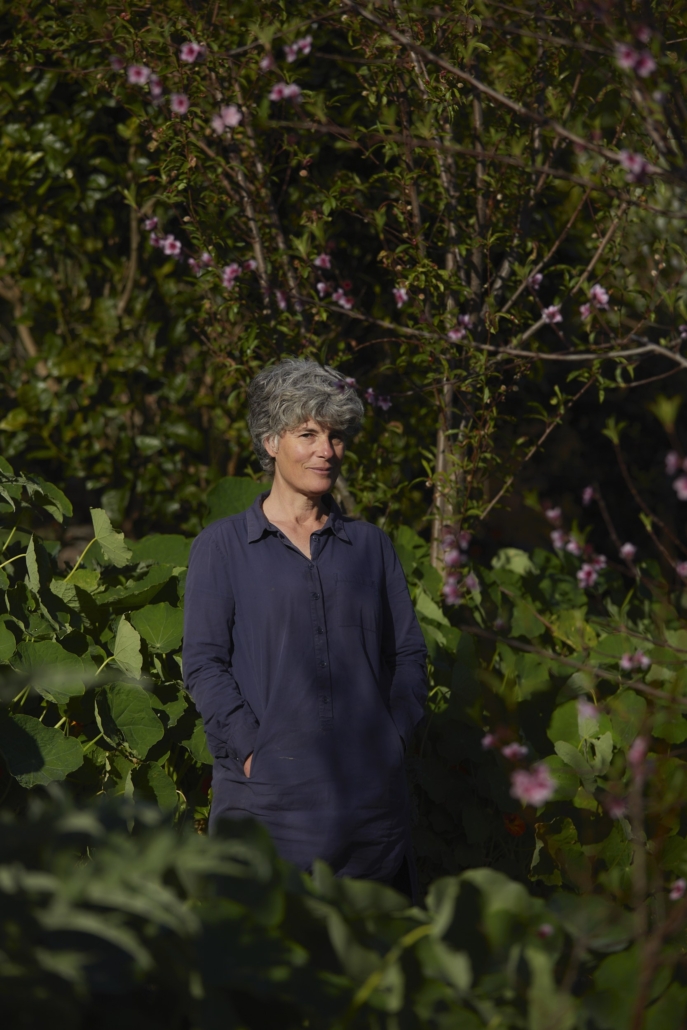
Coral Ramiro is the manager of Earth Stewards certified organic urban farm in Kirikiriroa Hamilton, and an alumna of the Earthworkers Hort 101 programme.

She tells her story to Sarah Smuts-Kennedy.  

We hope you enjoy this free article from OrganicNZ.  Join us to access more, exclusive member-only content

Coralโ€™s journey to organic regenerative growing 

Sarah began by asking Coral how she became a regenerative grower and how the Earthworkers course helped shape her path.

โ€œMy journey into regenerative farming began far from the soil and was an unexpected turn,โ€ says Coral. โ€œI actually trained as an interior designer in Spain, but had to move to London in 2008 after the recession made it impossible to find any work there. It was in London while living in a tiny flat with no access to nature, that I started to notice I was developing a longing for a connection to the outdoors.โ€

So when the opportunity arose to volunteer at one of Londonโ€™s educational farms, Coral joined the team.

โ€œI have always been a vegan, passionate about sustainable food systems, so I quickly gravitated towards the growing team, where I discovered a deep sense of belonging with like-minded individuals who shared a desire to create a food system that nourishes both people and the planet.โ€

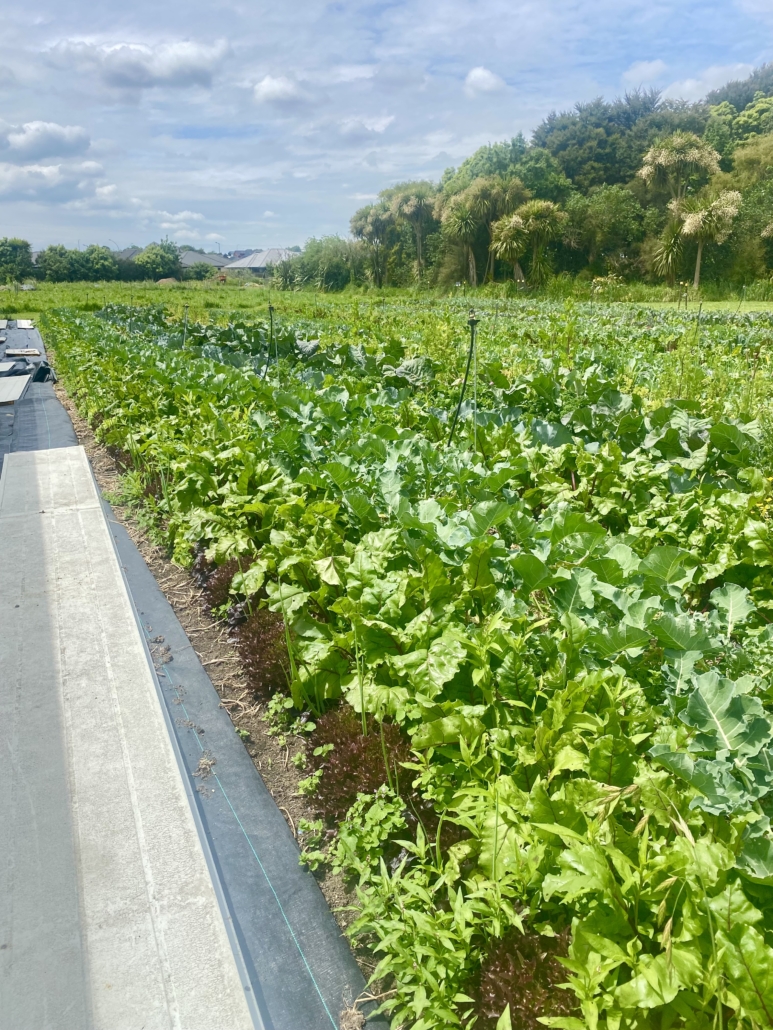
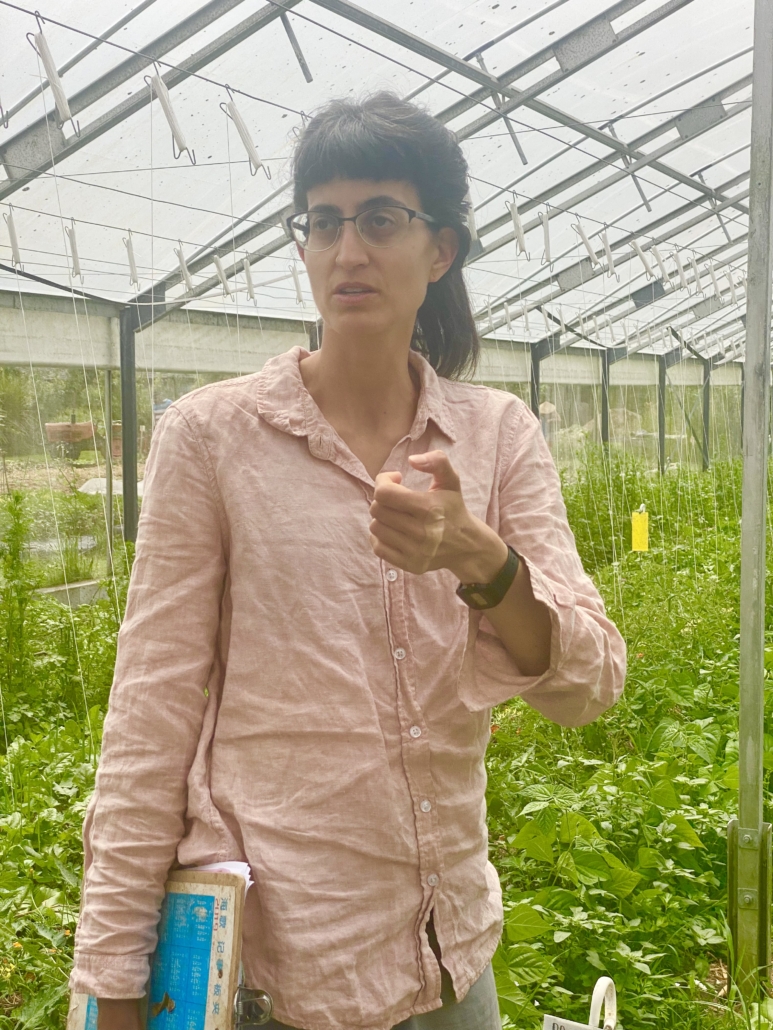
ABOVE: Left – polycropping at Earth Stewards; right – Coral Ramiro
Photos: Sarah Smuts-Kennedy

Challenges: catalysts for change

But despite her growing passion, she faced challenges breaking into the sector due to a lack of experience. This was a catalyst for Coral and her partner embarking on their big OE (overseas experience), first going to Australia before ultimately landing in New Zealand.

โ€œI completed my Permaculture Design Certificate (PDC) at Whanganui Eco School before I was lucky to secure my first role in the sector at Earth Stewards in 2019, just as the farm was getting off the ground,โ€ says Coral.

During Covid-19 Earth Stewards lost its manager and Coral was encouraged to step up and take the reins. It was a daunting task, but luckily six months later, she was invited to take the Earthworkers Hort 101 course, which proved to be a pivotal moment in her career.

Earthworkers course: valuable learning

โ€œThe course really opened doors for me,โ€ says Coral. โ€œIt helped me become an informed decision-maker. I need to understand something before I can truly embrace it. The course gave me the base knowledge of why we do what we do, especially when it comes to growing regeneratively and organically. I came away with answers that gave me clarity and confidence in my role as a market garden manager.โ€

One of the key takeaways for Coral was understanding the science behind regenerative practices, particularly the relationship between soil microbiology, chemistry, minerals, and nutrients.

โ€œIt was overwhelming at first. I had a headache for days trying to absorb all the new information, but by the end of the course, I really understood how everything fits together.โ€

As a creative person, Coral also loved how polycropping allowed her to apply her design skills to farming.

โ€œI get a lot of joy from the colour patterns that appear across the beds over the growing season. We got really excited at Earth Stewards as a team about planning our polycrops, and it gave us a simple way to contribute and learn together.โ€

โ€œI need to understand the why behind what we doโ€”why we grow in ways toย protect the soil and the whole ecosystemโ€ โ€“ Coral Ramiro

Supportive network of growers

In addition to the valuable knowledge gained, the Earthworkers course provided her with the opportunity to connect with other like-minded growers.

โ€œThrough the course, I met Jenny Lux of Lux Organics and Brit from Tomtit Farms, and weโ€™ve formed a lasting, supportive connection. Our farms collaborate by sharing produce, seedlings, and knowledge, and weโ€™ve visited each otherโ€™s farms, like Jennyโ€™s in Rotorua. Itโ€™s been a reminder that weโ€™re not alone. Being part of a network of like-minded growers makes all the difference, especially in a field where the challenges can feel isolating.โ€

Coral has found the Earthworkers support network to be crucial for her and the Earth Stewards team, especially when it comes to managing pest and disease pressures.

โ€œHaving access to the post-course WhatsApp group has been vital. Itโ€™s reassuring to see other growers experiencing the same challengesโ€”it makes you feel better about the difficulties youโ€™re facing.โ€

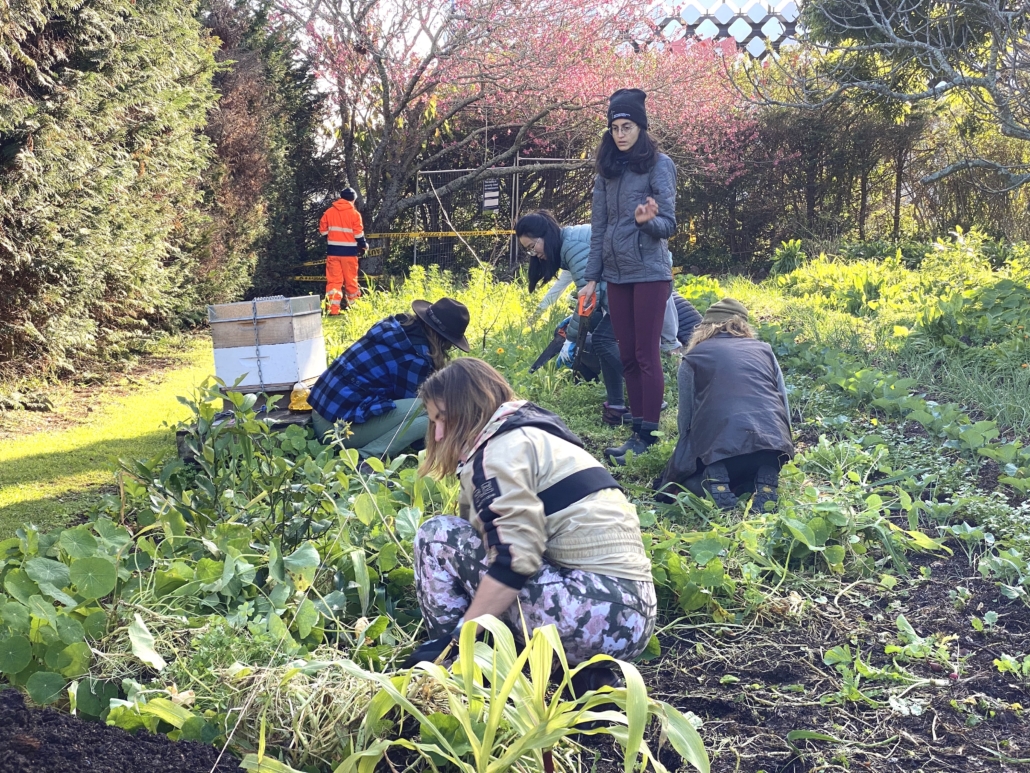
ABOVE LEFT: Earthworkers participants at Highwic House, left to right: Coral Ramiro, Richard Conyngham, Jenny Lux, Pippa Hayes and Kaitlyn Lamb
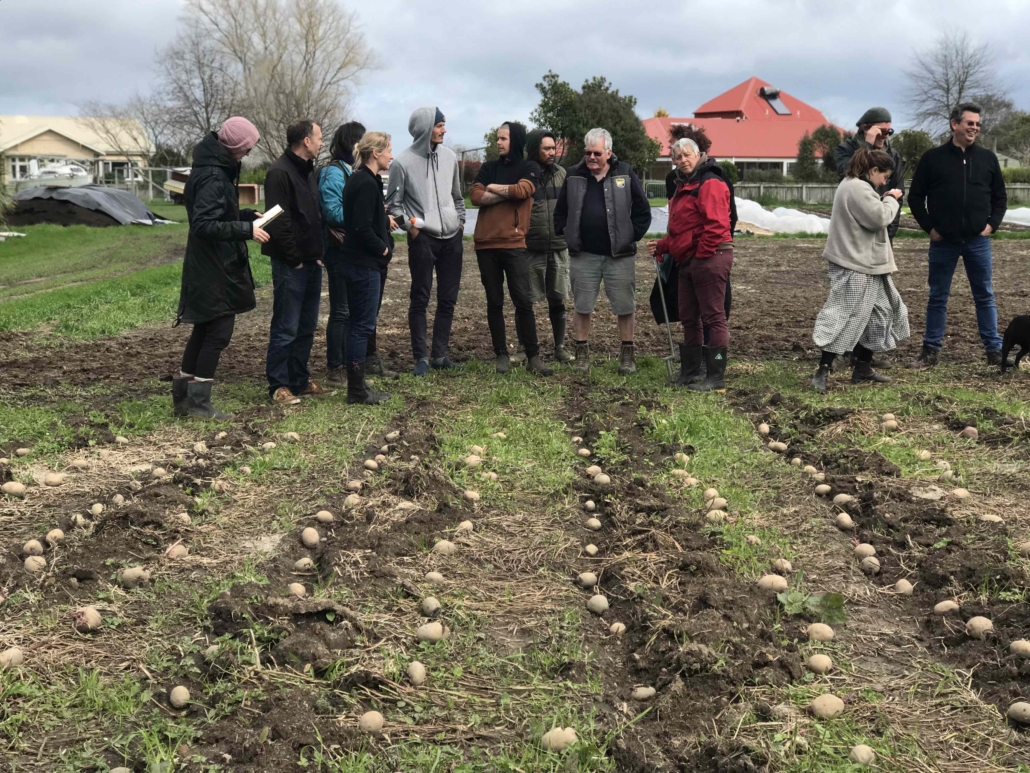
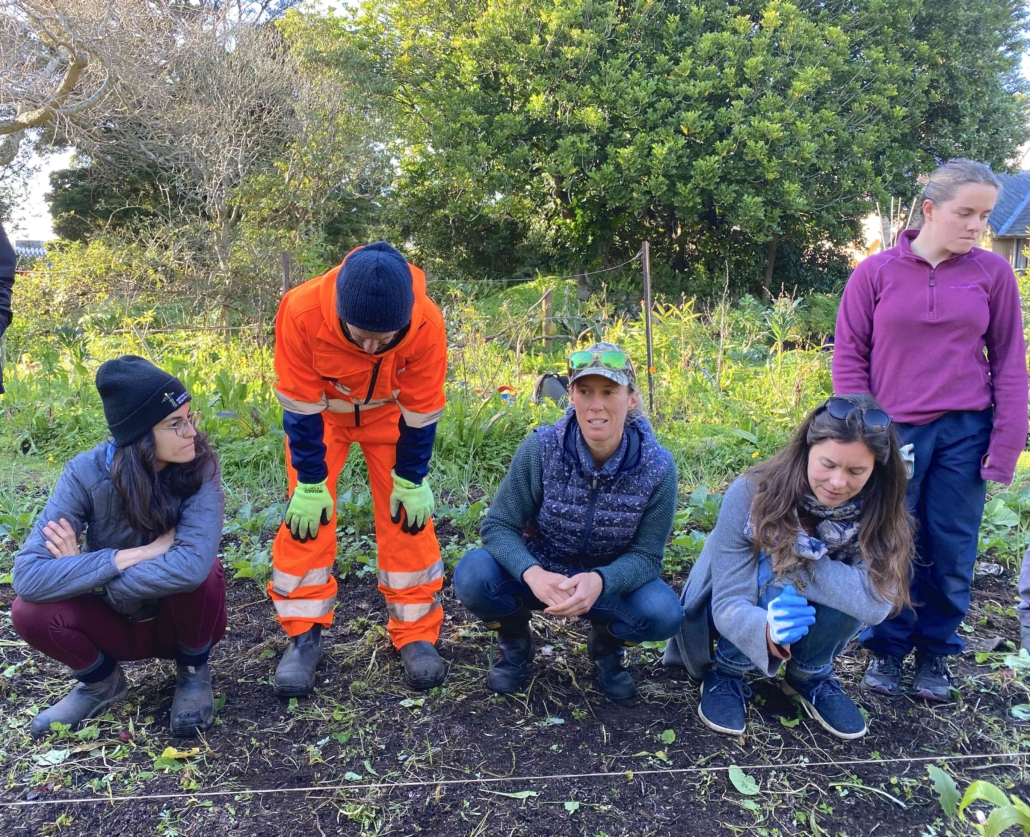
ABOVE RIGHT: Coral, standing in the centre, and Brit Stembridge at the front, with other Earthworker participants at Highwic House, learning โ€˜flipping bedsโ€™ with no-till systems. Photos: Sarah Smuts-Kennedy

Stepping up to share knowledge and innovation

โ€œBrit and I are excited to host the 2025 Earthworkers Hort 101 course at Earth Stewards and Tomtit Farms. The Earthworkers course was a game-changer for us, and being able to see these practices in action at the FTLOB (For the Love of Bees) model farm OMG in Auckland really made it feel real and achievable. Now, as we step into hosting the course on our own farms, we hope to inspire local growers in Waikato to embrace biology-first regenerative growing systems.โ€

Coralโ€™s enthusiasm for soil science as a result of the Earthworkers course led her to undertake more study with Dr Elaine Ingham via the Soil Food Web. Participants in the next Earthworkers course in March 2025 will be able to see some of the research project she did.

Earth Stewards is certified organic with OrganicFarmNZ. It has come a long way since its early days, and Coral and the team will share some of the farmโ€™s innovations with course participants in March.

Enhancing soils with compost and cover crops

โ€œOne of the things weโ€™re really proud of is our ability to grow all the inputs we need to produce high-quality compost. Weโ€™re now self-sufficient in compost production, which we use for our seed-raising mix. Knowing that we control the quality of our seedlings has made a huge difference.โ€

โ€œWeโ€™ve also had our first successful season managing our cover crops, allowing us to have in-situ mulch on most of our beds. This has drastically improved our moisture management and weed control, while also providing nutrition to the plants as they grow.โ€ โ€œThis season while we were planting out our seedlings we experienced the soil being bouncy underfoot for the first time, and found preparing for planting carrots much easier. Over time we are seeing a change in the physical conditions of the farm as a result of the practices we are using.โ€

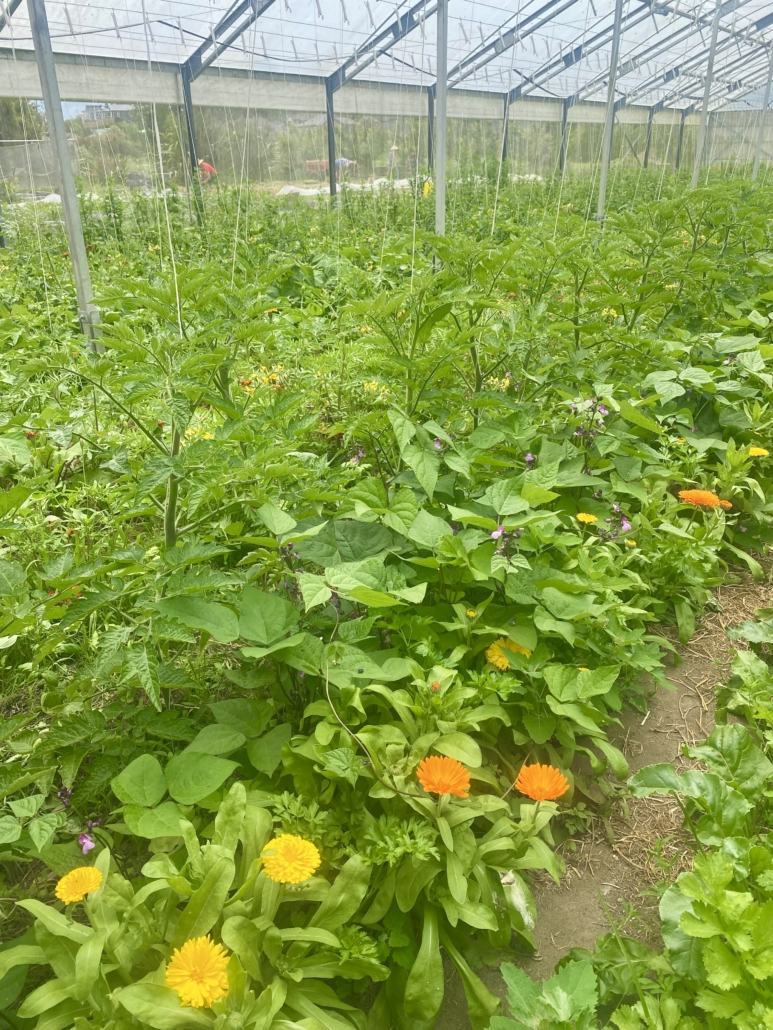
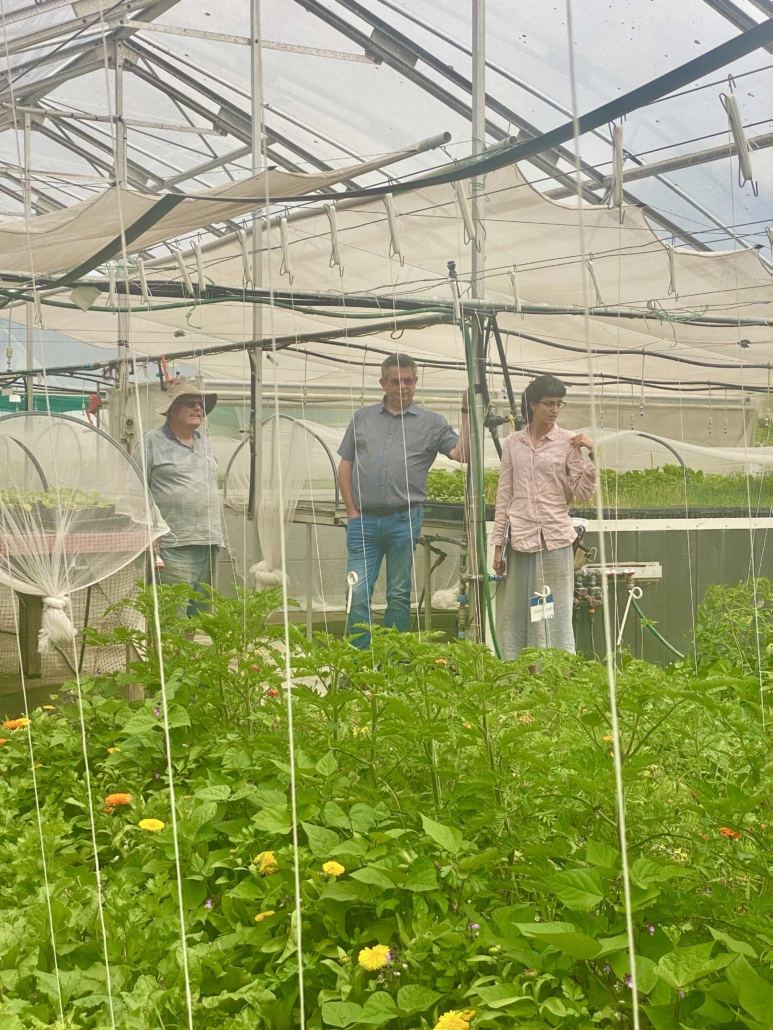
ABOVE: Abundant growth in the Earth Stewards greenhouse. Photos: Sarah Smuts-Kennedy

Finding the best sales model

At Earth Stewards they have also made real progress with their sales system, which they discovered is just as important as the growing.

โ€œWe started out doing farmersโ€™ markets and had just started implementing the CSA (community supported agriculture) model as Covid started,โ€ Coral recalls. โ€œIn a few weeks we went from doing a few CSA boxes to over 100, which put us under untenable pressure. It took us a while to find the right balance, and model, for selling our produce, but now we have a thriving shop on site which is open one day a week with talk of opening another day.โ€

โ€œOn sunny days there is a queue to buy produce which comes from a few local growers we are collaborating with. This gives us a very practical way to contribute to local growers who are also needing to sell their produce.โ€

The importance of a sense of community in organic regenerative farming is huge. Farming can be isolating, especially when youโ€™re committed to healing the ecosystem the community gets even smaller. But for Coral and others the Earthworkers network has helped them feel supported and connected to others who are facing similar challenges.

โ€œTogether, weโ€™re learning, growing, and turning our farms into models of biology-first regenerative practice.โ€

Earthworkers Hort 101

24โ€“28 March 2025, Hamilton

Hosted by:

  • Coral Ramiro and team at Earth Stewards
  • Brit and James Stembridge of Tomtit Farm
  • Chris McIntosh at Ethos Cafรฉโ€™s new start-up farm

These three farms will showcase regenerative farming practices in action. Participants in the course will learn from these growers who have experience of managing farms and offer models of whatโ€™s possible using biology-first regenerative methods.

Find out more and ENROL HERE by 9 March 2025.

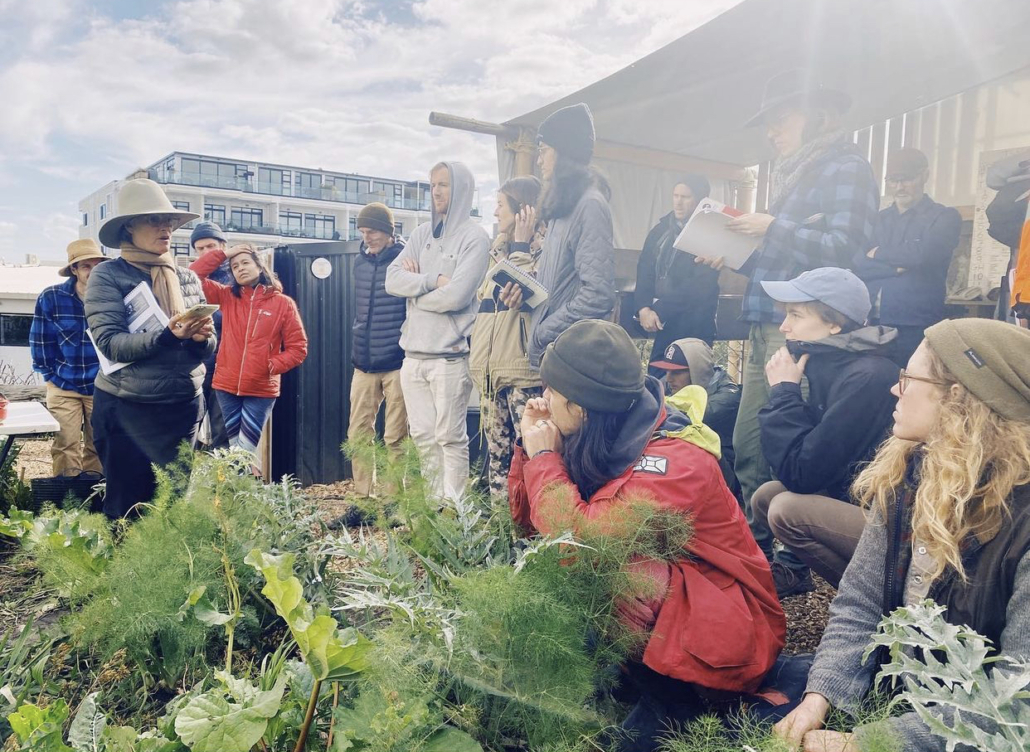
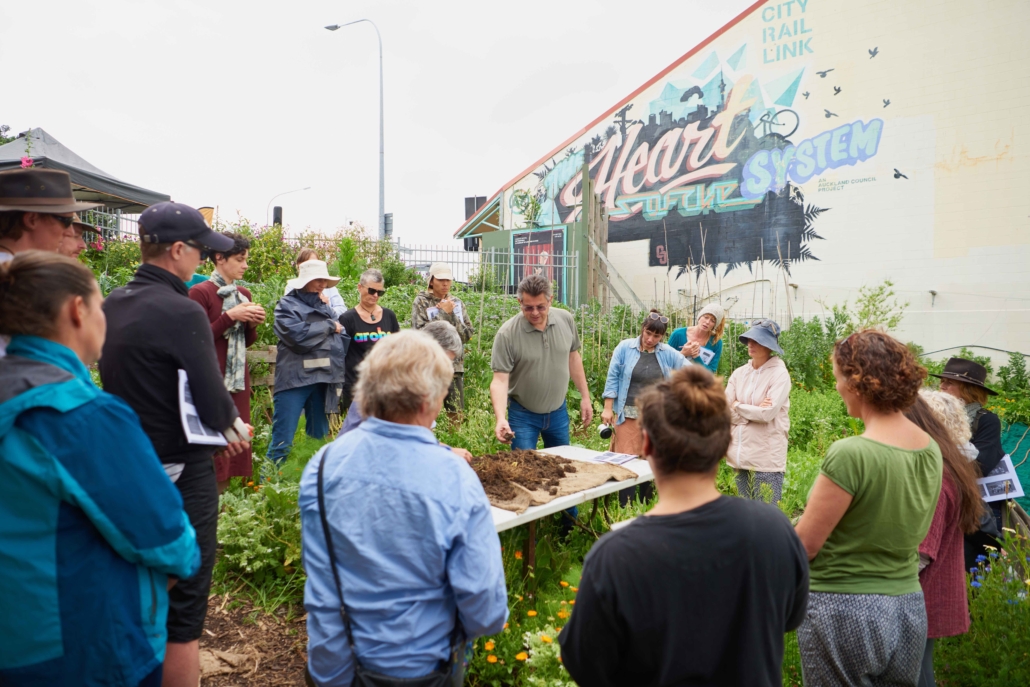
ABOVE: Earthworkers lead agronomist Daniel Schuurman showing soil samples to Earthworkers participants at OMG in central Auckland. Photo: Kate Micaela

Earthworkers alumni โ€“ continuing the journey

Since it was launched in 2020 the five-day Earthworkers Hort 101 course has encouraged nearly 200 alumni to turn food production into an ecosystem restoration tool. Continuing this support via post-course mentoring they have established a network of optimistic like-minded growers who help each other in the day-to-day stresses and joys of learning how to work alongside nature to feed their local communities.

As a result, Earthworkers lead agronomist Daniel Schuurman and Earthworkers co-founder Sarah Smuts-Kennedy are developing the Earthworkers Educational Pathway to include opportunities for those wanting to take their learning to the next stage.

In 2024 For the Love of Bees (FTLOB) ran the Communities of Regenerative Learning (CORL) programme) in Tฤmaki Makaurau, supporting six urban growing projects engaging alumni to step into mentoring roles. In 2025 this is being rebranded as the Earthworkers Alumni Research Group and will support a small group of alumni who want to deepen their knowledge using their own projects to do this.

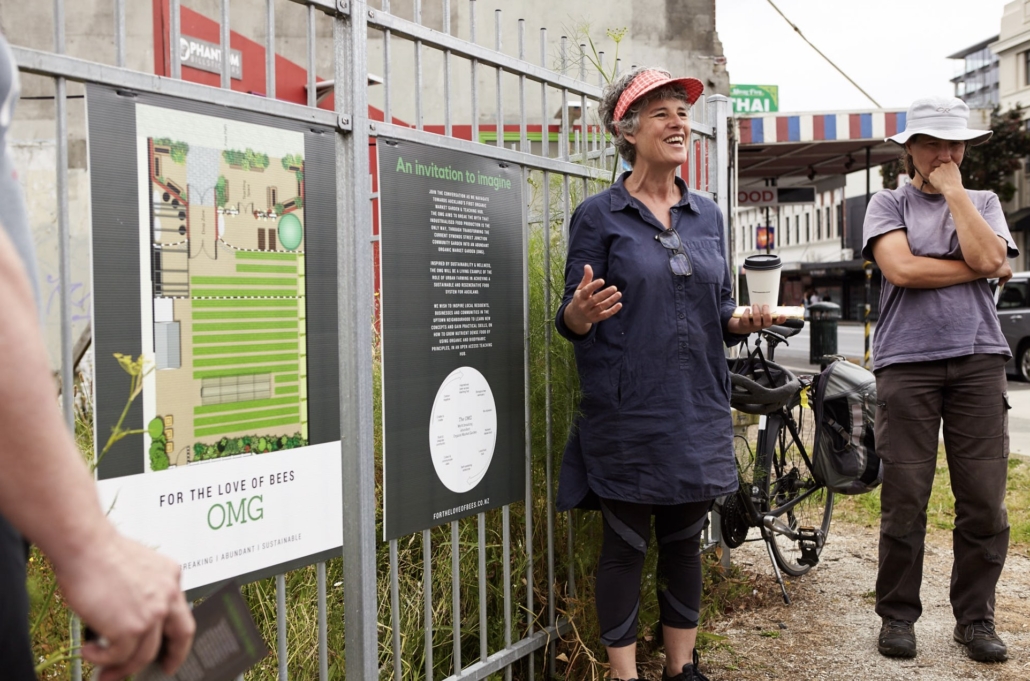
Sarah Smuts-Kennedy is the founder of For the Love of Bees and OMG (Organic Market Garden in central Auckland), and co-founder of the Earthworkers programme. 

https://organicnz.org.nz/wp-content/uploads/sites/2/2024/12/Earthstewards-Coral-Ramiro-cropped-scaled.jpg 1782 2560 Staff Writer https://organicnz.org.nz/wp-content/uploads/sites/2/2024/09/OrganicNZ-2024-Masthead.png Staff Writer2024-12-18 11:19:302025-04-03 16:33:10Working with the earth

Dark chocolate crunch bars (aka โ€˜healthyโ€™ protein bars)

25 Nov 24/in Free Online, Health and Food

By Dr Linia Patel 

Many shop-bought protein bars hit your protein numbers, but they come with so many other sweeteners and additives that arenโ€™t great for you to be eating habitually. With this recipe I tried to create a protein bar that was healthy.

Images and text from Food for Menopause by Dr Linia Patel, photography by Clare Winfield. Murdoch Books RRP $45.00

We hope you enjoy this free article from OrganicNZ.  Join us to access more, exclusive member-only content

Clients (especially those who are on the go a lot) are always asking me to recommend a protein bar. To be honest, there isnโ€™t one that I would recommend for regular consumption! Theyโ€™re okay as an occasional get-out-of-jail card, but not for regular consumption.

Many shop-bought protein bars hit your protein numbers, but they come with so many other sweeteners and additives that arenโ€™t great for you to be eating habitually.

With this recipe, I tried to create a protein bar (without using protein powder) that was healthy. One that I would be happy to recommend my clients eat regularly. Each bar gives you about 5 grams of protein โ€“ perfect for a snack. They are high in healthy fats, so, as yummy as they taste, keep it to one per snack!

Makes 10-12 bars

Ready in 20 minutes, plus chilling

Vegan

Gluten free

Ingredients 

  • 2 tbsp tahini
  • 4 tbsp almond or peanut butter
  • 60g (scant ยฝ cup) dark (70%) chocolate chips
  • 200g (7oz) cooked quinoa
  • 70g (ยฝ cup) whole unpeeled almonds, chopped
  • 30g (1oz) whole linseeds or flaxseeds

Method

  1. Line a small loaf, baking or cake tin with parchment paper.
  2. Either in the microwave or in a bowl set over a pan of gently simmering water, melt the tahini, nut butter and chocolate together until smooth.
  3. Add the rest of the ingredients and mix well.
  4. Tip into the prepared tin and chill for at least 1 hour, then cut into 10โ€“12 small bars.

Tips

These will keep in the fridge for up to 10 days. If you like, you can drizzle with extra melted chocolate before slicing (as per the photo).


https://organicnz.org.nz/wp-content/uploads/sites/2/2024/11/Dark-chocolate-crunch-bars-healthy-protein-bars-p.-233-cropped-scaled.jpg 1190 2560 Staff Writer https://organicnz.org.nz/wp-content/uploads/sites/2/2024/09/OrganicNZ-2024-Masthead.png Staff Writer2024-11-25 11:32:522024-11-25 11:32:53Dark chocolate crunch bars (aka โ€˜healthyโ€™ protein bars)
gardening calendar 2025 fundraiser

2025 Calendars for Sale

05 Nov 24/in Competitions, Features, Free Online, Gardening, News

Our Calendars are back by popular demand. We have the sought after โ€˜N*de Gardeningโ€™ calendar, as well as a requested โ€˜Beautiful Gardensโ€™ calendar (for those who prefer to hang a calendar that doesnโ€™t get so much attention!). Both calendars include the moon phases.

Read more
https://organicnz.org.nz/wp-content/uploads/sites/2/2024/11/beautiful-gardens-calendar2-2025-soil-health-nz.jpg 1080 1080 Claire Flynn https://organicnz.org.nz/wp-content/uploads/sites/2/2024/09/OrganicNZ-2024-Masthead.png Claire Flynn2024-11-05 13:08:572025-10-31 09:57:092025 Calendars for Sale
Steve Erickson, second from right, and group in pasture

Creating on-farm fertility

22 Oct 24/in Education and Knowledge, Farming and Horticulture, Free Online, Gardening

By Jenny Lux

Chaos Springs at Waihi run regular workshops about soil health, composting, and creating on-farm fertility. Jenny Lux reports on a recent workshop.  

We hope you enjoy this free article from OrganicNZ.  Join us to access more, exclusive member-only content

Chaos Springs workshops 

I have been an avid follower of Chaos Springs since I first went there in 2014 on a field trip as a student doing an evening class in Level 3 organic primary production. Recently I did a cheeky entry into one of their competitions for a free place in a workshop and I won!

So on a sunny spring Friday in October I attended the Creating On-Farm Fertility workshop taught by Steve and Jenny Erickson. This proved to be equally useful and stimulating to me, a market gardener, as it was to the many pastoral farmers, orchardists and general public attending, who all had a common interest in living off the land in some way.

ABOVE: Jenny Erickson (left) and Steve Erickson by the vege garden, looking at the health and quality of the soil. Behind Jenny is a huge lemon verbena.

The biological engine

It all comes back to what Steve calls the โ€˜biological engineโ€™ and getting that really humming. Itโ€™s an analogy that suits a mechanic like Steve, who is the man behind the innovative Cyclone multi-task sprayer. This machine allows you to combine compost, minerals and fertilisers in a liquid format for a single application onto land, and can handle particles up to 15mm โ€“ an amazing tool!

Steve (centre) with workshop group and the Cyclone at right
Steve Erickson (centre) with barrels of comfrey extract

The day began with a couple hours of lectures, and a sumptuous morning tea, followed by a BYO packed lunch and a farm tour. We started looking at the plant extract facility, then onto the commercial composting area (with a demo of the Cyclone), and a walk through some paddocks to dig holes and observe soil structure and visible biological activity. We finished at Jennyโ€™s biodynamic home garden, where you could see and also feel the energy of plants growing in balance.

This Chaos Springs workshop attracted a lot of practitioners with many years of knowledge, so there was a really rich exchange of ideas and advice. My only criticism was that it didnโ€™t really seem long enough!

If you are managing any piece of land, I would highly recommend attending one of the Chaos Springs workshops. There is an on-farm composting workshop coming up on 29 November.

https://www.chaossprings.co.nz/events

Jenny Lux, immediate past co-chair of Soil & Health, is an organic market gardener at Rotorua.


ABOVE: Jenny Erickson with her ashwagandha plant inside her glasshouse.
ABOVE: Steve Erickson of Chaos Springs (second from right) speaks of his journey in pasture management over the last 22 years, from a fairly degraded base of ragwort-infested conventional dairy pasture on clay, to a currently thriving mixed sward on a darker clay-loam that provides optimal nutrition for his animals and is maintained only twice a year with a biological liquid spray, all made on farm.
https://organicnz.org.nz/wp-content/uploads/sites/2/2024/10/Steve-second-from-right-and-group-in-pasture.jpg 1440 1920 Staff Writer https://organicnz.org.nz/wp-content/uploads/sites/2/2024/09/OrganicNZ-2024-Masthead.png Staff Writer2024-10-22 17:25:482025-01-19 09:41:33Creating on-farm fertility

Springย into Kลanga!

22 Oct 24/in Features, Free Online, Gardening, Health and Food

By Tanya Batt

Tanya Batt shares the story of Spring into Kลanga, a seasonal celebration on Waiheke Island. Itโ€™s one of the Kai for Community projects run by the Once Upon an Island Charitable Trust These projects focus on reconnecting with true seasonal celebrations and the stories and traditions around growing, harvesting and sharing food in the Waiheke community.  

We hope you enjoy this free article from OrganicNZ.  Join us to access more, exclusive member-only content

Egg time! 

Itโ€™s egg time. Many people often fail to make the connection between eggs, Easter and spring โ€“ kลanga. Probably because we celebrate Easter (a northern spring festival) in Australia and New Zealand in autumn.

However if you are lucky enough to have the company of a few chickens, that connection will come as no surprise to you. At this time of year you can be sure of an egg for breakfast. But for many of us, eggs (if you eat them) come from shops and shops always have eggs regardless of the season.

When we lose the connection between our seasons and celebrations, a vacuum is created and celebrations become superficial. Instead of connecting us to our environment, they become focused on what we can buy and how things look, and reverence is often diminished or lost. Upcoming spring Halloween celebrations demonstrate this perfectly.

ABOVE: Laying the tฤpapa beds, Piritahi Marae, Waiheke Island, September 2024

September: Laying the tฤpapa beds 

Here on Waiheke, weโ€™re seasonally celebrating with Spring into Kลanga โ€“ a story in two parts.

The first part took place during September with the return of the pฤซpฤซwharauroa (shining cuckoo), in the mฤra of the Islandโ€™s Piritahi Marae, with the laying of the tฤpapa beds from which will grow the tipu of the kลซmara. These tipu (shoots or slips) will then be sown later in October or early November.

The September event was led by whaea Maikara Ropata, and kaumatua Eugene Behan-Kitto, a master kลซmara grower who learnt his growing skills from the late Kato Kauwhata (Ngฤpuhi), kaumata and inaugural chairperson of Piritahi Marae. The hope is to grow enough tipu this kลanga, for both the marae mฤra and other community garden groups, and activate island wide uptake of growing kลซmara.

Growing stories and kฤkano (seed) for the hue (gourd) were also shared in an informal kลrero about this treasured plant โ€“ another early arrival bought by the tipuna of tangata Mฤori. When young, the fruit of this plant can be eaten but as a dried mature fruit it was used a storage vessel, musical instrument and taonga. The day finished with a kลrero given by Mike Smith, a climate activist who has recently won the right to take several large companies in New Zealand to court for failure to curtail their carbon emissions.

Kลซmara was the first cultivated crop grown in Aotearoa. Its legacy as a primary food source of the people of this country stretches back several hundred years. The mฤra kลซmara falls under the domain of Rongo-mฤ-Tฤne, the atua of cultivated food and of peace.

October: Pumpkins, corn, tomatoes and more 

Our second event was held on the grounds of another of our community gardens โ€“ the Surfdale food forest โ€“ on 20 October. The programme included a talk about growing tomatoes with one of our green-fingered gurus, Eddie Welsh, seasonal kai ideas from the Waiheke Home Grown Trust, a spring posy competition, egg decorating and plant giveaways for the summer garden.

The focus was on two plants in particular: pumpkins and corn. Both plants originate from the Americas, their cultivation extending back thousands of years.

There are lots of traditions and stories associated with corn. In Europe, a โ€˜corn motherโ€™ or โ€˜the old womanโ€™ or โ€˜corn dollyโ€™ was made out of corn (though corn was a generic word used for grain). The corn dollies were kept in the barn to protect the crops during winter, and then ploughed into the ground come spring to ensure a good harvest.

This tradition resonates strongly with another story of corn, which is told by a number of North American First Nations people from the eastern and south-western areas, where from the first motherโ€™s body grew the first maize plants.

Attendees were given free pumpkin seedlings and corn seed, accompanied by a story and a song and were encouraged to bring their harvests to the Autumn Kai for Community Waiheke Food Festival in April 2025. The pumpkin seedlings were germinated by the students of the Waiheke Primary Schoolโ€™s Garden to Table programme. This programme was also the source of the pink popping corn seed that will be distributed for growing over summer, again culminating in a island-wide โ€˜pop-a-thonโ€™ in autumn.

A primary focus of the Kai for Community programme is to excite and support families to grow food at home, fostering the green hearts and fingers of young children. Both Spring into Kลanga events have been generously supported by the Waiheke Local Board and are part of the Waiheke Island Climate Action plan.

The relationship we have with the land we live on, the food we grow and eat and each other are the cornerstones of wellbeing. Celebrating our seasons brings these three important things together and helps create healthy and happy hapori (communities).

Hollie Pierson with a Kai for Community tea towel
Opening ceremony, Kai for Community Harvest festival in April

Tanya Batt is a word warbler and seed sower living on Waiheke Island. Her two passions โ€“ storytelling and gardening โ€“ have found a happy union in the work she does as a storytelling gardener at a local school and through her role as creative director of the Once Upon an Island Charitable Trustโ€™s Kai for Community (KFC) projects.

www.imagined-worlds.net

ABOVE: Tanya Batt with Chinese cabbage
https://organicnz.org.nz/wp-content/uploads/sites/2/2024/10/IMG_5838-copy-scaled.jpeg 2560 1920 membership https://organicnz.org.nz/wp-content/uploads/sites/2/2024/09/OrganicNZ-2024-Masthead.png membership2024-10-22 13:12:232024-10-22 13:12:24Springย into Kลanga!

Steamed eggplant with spicy sauce drizzle

22 Oct 24/in Free Online, Health and Food

By Connie Cao 


This is an extremely simple dish thatโ€™s packed full of flavour. Itโ€™s great to cook during peak eggplant (aubergine) season in the garden.

Images and text from Your Asian Veggie Patch by Connie Cao, photography by Connie Cao. Murdoch Books RRP $45.00.

We hope you enjoy this free article from OrganicNZ.  Join us to access more, exclusive member-only content

Serves 3โ€“4

Ingredients 

  • 400 g (14 oz) eggplant (aubergine) (a slim variety works best)
  • 1 spring onion (scallion), to garnish
FOR THE SAUCE
  • 2 garlic cloves
  • 2 teaspoons vegetable oil
  • 2 teaspoons sesame oil
  • 2 teaspoons white or black vinegar
  • 1ยฝ tablespoons light soy sauce
  • 1 teaspoon chilli oil (see below or page 135 of the book)
  • 1 teaspoon finely chopped ginger
  • 1 teaspoon sugar

Method

  1. Cut off the ends of the eggplant, and then slice the eggplant into long halves or quarters.
  2. Finely chop the spring onion and garlic cloves.
  3. Place the eggplant into a steamer, and cook for 15 minutes or until tender.
  4. While the eggplant is steaming, mix the sauce ingredients together in a small bowl.
  5. Once the eggplant is ready, drain any excess water.
  6. Transfer the eggplant to a plate, drizzle the sauce on top and garnish with spring onion. Serve hot.

Homemade chilli oil

Makes 130 ml (4ยฝ fl oz)

  • 200 g (7 oz) fresh chillies
  • 3 garlic cloves
  • ยฝ cup (125 ml) vegetable oil (or other neutral oil with a high smoke point)
  • Spices for flavouring (optional)
  • 1 cinnamon stick
  • 1 star anise
  • 1 bay leaf
  • 2 teaspoons Sichuan peppercorns
  • 2 teaspoons sesame seeds

Method

  1. Slice the chillies into small pieces, and dehydrate using the instructions in the Storing section [page 134 of the book].
  2. Once dried, break the chilli pieces into flakes using a mortar and pestle or spice grinder, and place them into a ceramic mug or bowl.
  3. Slice the garlic cloves.
  4. Heat the vegetable oil in a saucepan over low heat until it slowly starts to bubble.
  5. Add the garlic and your choice of spices (if using), and allow them to infuse for 5โ€“7 minutes while the oil continues to slowly bubble away. Remove from the heat once the garlic has started to brown.
  6. Allow the oil to cool for a few seconds, then slowly pour it through a strainer and onto the chilli flakes, removing the garlic and spices in the process. Take care, as the chilli flakes will start to sizzle and pop.
  7. Gently stir to mix everything together, and set aside to cool.
  8. Once the chilli oil is cool, pour it into the jar. Place the lid on the jar, and allow the chillies to infuse the oil in the fridge for 2โ€“3 days. Use within 3โ€“4 weeks.
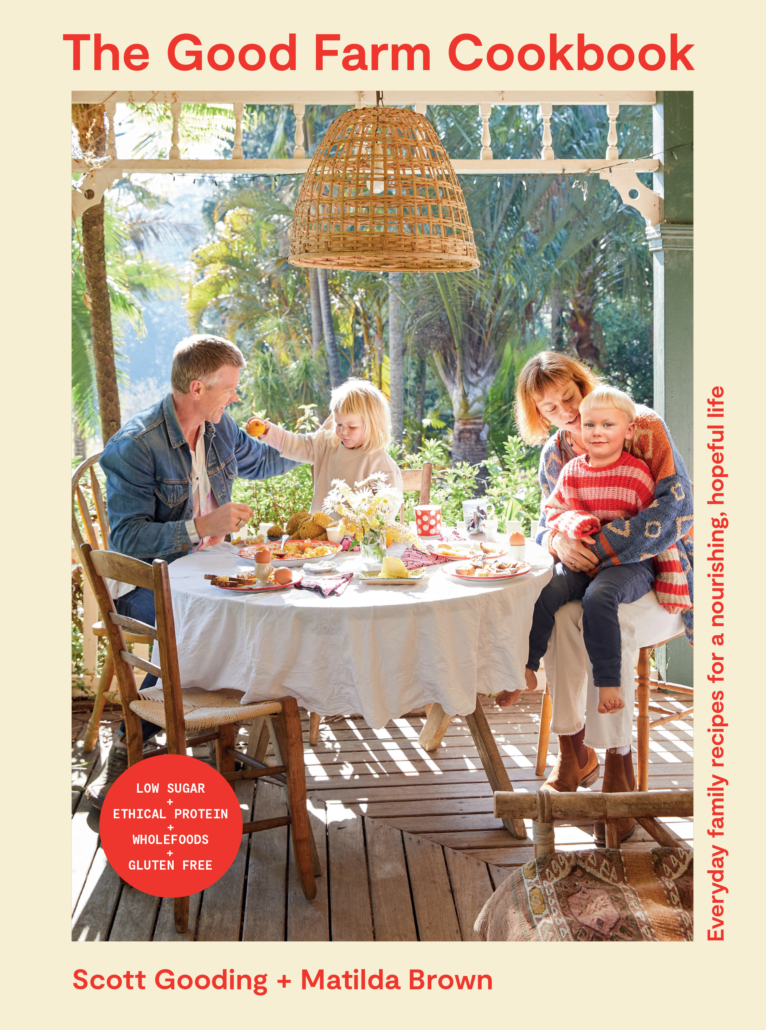
Book cover image: Connie Cao, Melbourne permaculture gardener, homesteader, photographer and digital content creator, in her backyard harvesting long beans (also called asparagus beans, Chinese long beans, snake beans, yard beans, yard long beans)

https://organicnz.org.nz/wp-content/uploads/sites/2/2024/10/Steamed-eggplant-with-spicy-sauce-drizzle-p.-147.jpg 8126 6096 membership https://organicnz.org.nz/wp-content/uploads/sites/2/2024/09/OrganicNZ-2024-Masthead.png membership2024-10-22 11:14:242024-10-22 11:14:25Steamed eggplant with spicy sauce drizzle

Asparagus & Lemon Walnut Crumbleย 

20 Sep 24/in Free Online, Health and Food

Recipe by Margo Flanagan and Rosa Power
Photography by Margo Flanagan and Susannah Blatchford  

We hope you enjoy this free article from OrganicNZ.ย  Join usย to access more, exclusive member-only content

NOTE: page numbers in this article refer to pages in the book Two Raw Sisters: More Salad (from which this is an excerpt).

Feeds: 6  | Time: 10 minutes 

Ingredients 

  • 2 tablespoons cooking oil  
  • 2 bunches asparagus spears, ends snapped off  
  • ยฝ teaspoon sea salt  
  • Lemon Walnut Crumble  
  • 1 tablespoon cooking oil  
  • ยพ cup walnuts, roasted and chopped  
  • 2 garlic cloves, crushed and finely chopped  
  • ยฝ teaspoon sea salt  
  • ยฝ lemon, zest and juice  

Method 

  1. Preheat the oven to 200ยฐC (400ยฐF).  
  1. Heat the cooking oil in a frypan. When itโ€™s hot, add the asparagus and salt. Cook for 2 minutes, give it a toss, then cook for another 1โ€“2 minutes. Once the asparagus is cooked but still has a bite to it, transfer it to a plate.  
  1. Using the same frypan, add the cooking oil, walnuts, garlic and salt. Cook, stirring frequently (being careful not to let them burn) until golden brown (about 3 minutes). Add the lemon zest and juice and cook for another 1โ€“2 minutes, stirring frequently. Remove the pan from the heat.  
  1. To serve, top the asparagus with a generous portion of the walnut crumble.  
  1. This is best eaten straight away.

SWAP  

Walnuts for any nut or seed you have in the pantry. We love using pumpkin seeds or almonds. The walnut crumble can be served atop any other vegetable when asparagus is not in season. Refer to Swap with the Seasons (page 12). 

TIP  

The asparagus season is short, so make use of the woody asparagus ends that otherwise would be thrown in the compost. Freeze them to use in future soups or vegetable stocks. 

DELICIOUS WITH  

Herby Quinoa + Halloumi (page 36) and prawns, white fish or chicken. 


Extracted from More Salad by the Two Raw Sisters. Photography ยฉ Food: Margo Flanagan and Lifestyle: Susannah Blatchford. RRP$49.99. Out 10 September 2024. Published by Allen & Unwin NZ.  

https://organicnz.org.nz/wp-content/uploads/sites/2/2024/09/Asparagus-Lemon-Walnut-Crumble-scaled.jpg 2560 1707 Sophora https://organicnz.org.nz/wp-content/uploads/sites/2/2024/09/OrganicNZ-2024-Masthead.png Sophora2024-09-20 10:30:002025-05-01 13:37:32Asparagus & Lemon Walnut Crumbleย 

Fat Hen & Cashew Cheese Tart

19 Sep 24/in Free Online, Health and Food

Recipe by Heidi Merika  

We hope you enjoy this free article from OrganicNZ.ย  Join usย to access more, exclusive member-only content

A commonly foraged vegetable throughout the world, fat hen is a good source of protein, fibre, calcium, magnesium, potassium, vitamin C, vitamin A and trace elements, making this vegan tart โ€” which uses both the seeds and leaves of the plant โ€” highly nutritious. It is a lovely light lunch or dinner option, and smaller individual tarts are great in lunchboxes or to take on picnics. Add any savoury toppings you fancy. Some options are suggested below, but feel free to choose your own. 

SERVES 8  | 1 HOUR | GF 

Ingredients 

  • 1 large handful of fresh fat hen leaves 
DOUGH
  • ยผ cup (20 g) fat hen seeds  
  • 1 cup (100 g) almond meal  
  • 2 tablespoons coconut oil  
  • 1 tablespoon psyllium husk  
  • 1 tablespoon water 
CASHEW CHEESE  
  • 2 cups (310 g) raw cashews, soaked in cold water for 30 minutes  
  • 1 garlic clove, crushed  
  • 1 tablespoon nutritional yeast  
  • 1 tablespoon apple cider vinegar  
  • ยฝ teaspoon salt  
  • ยฝ teaspoon black pepper 
POSSIBLE TOPPINGS 
  • fresh fat hen leaves (blanched)  
  • roasted zucchini (courgette)  
  • roasted capsicum (pepper)  
  • sautรฉed mushrooms  
  • sliced tomato  
  • pitted olives  
  • capers, vegan feta, fresh herbs 

Method

  1. Preheat the oven to 160ยฐC (315ยฐF).
  2. Blanch the fat hen leaves by placing them in a heatproof bowl and pouring boiling water over them, then straining them immediately, pressing the water out of them. Set aside.  
  3. Place all the dough ingredients in a food processor and blend until they form a dough that pulls away from the sides. (You can also mix them together by hand if you donโ€™t have a food processor.) The dough should stick together.  
  4. Press the dough into a loose-based flan (tart tin), or a shallow tray lined with baking paper. Blind-bake the dough for 15 minutes, then remove from the oven and leave to cool.  
  5. Turn the oven up to 180ยฐC (350ยฐF). Using a food processor, blend all the cashew cheese ingredients to a paste, adding a tablespoon of water if the mixture is too dry.  
  6. Pour or spoon the cashew cheese over the cooled tart base. Arrange the blanched fat hen leaves over the tart, then add your choice of toppings.  
  7. Bake for a further 20 minutes, until the crust is golden. Remove from the oven and leave to cool in the tin for 30 minutes, before cutting into eight slices for serving. The tart will keep in an airtight container in the fridge for 3โ€“5 days. 

Images and text from p.178 of From the Wild by Heidi Merika, photography by Cath Muscat.
Murdoch Books RRP $55.00.  

https://organicnz.org.nz/wp-content/uploads/sites/2/2024/09/Fat-hen-cashew-cheese-tart-p.-178-scaled.jpg 2560 1930 Sophora https://organicnz.org.nz/wp-content/uploads/sites/2/2024/09/OrganicNZ-2024-Masthead.png Sophora2024-09-19 10:00:002024-09-23 17:49:35Fat Hen & Cashew Cheese Tart

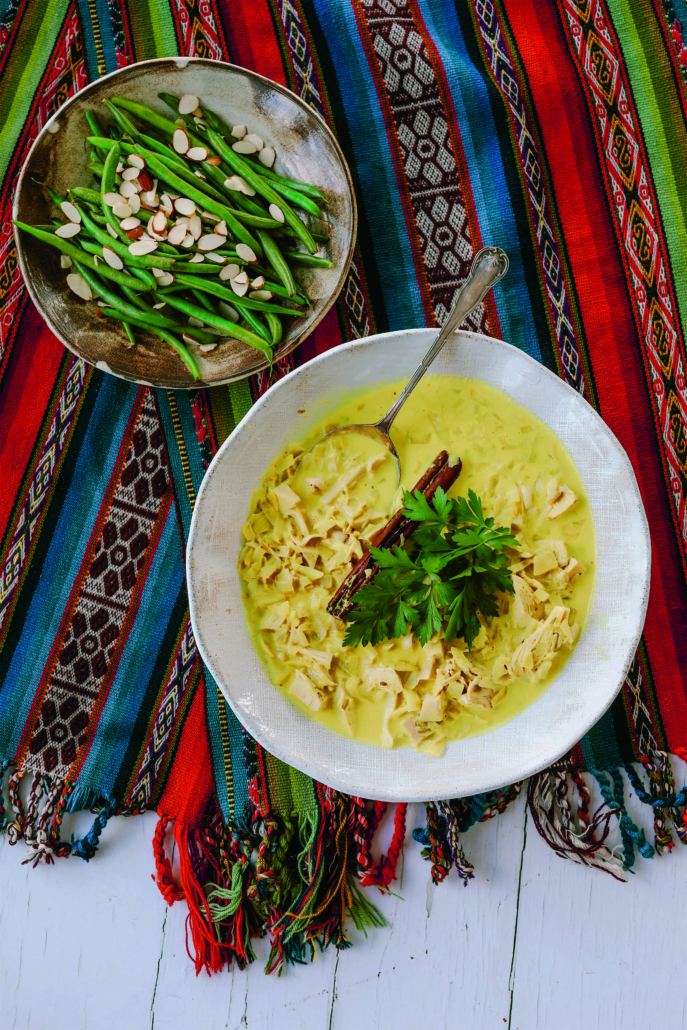
Leek and Potato Stew

23 Aug 24/in Free Online, Health and Food

with cavolo nero, beans and bacon 

A simple, flavour-packed stew utilising spring veg and pantry staples โ€“ serves four.
Recipe and photos by Tess Lenart 

We hope you enjoy this free article from OrganicNZ.  Join us to access more, exclusive member-only content

This dish is equally delicious vegetarian, so feel free to omit the bacon and go for vegetable instead of chicken stock if you prefer. I find homemade stock has the best flavour, however shop-bought will work well also. 

I like to serve this stew for lunch with freshly baked bread or toast with lots of butter, or as an easy weeknight dinner. It freezes well and makes a great gift for anyone that could do with a warm hug in a bowl.  

The extra virgin olive oil drizzle and sprinkling of parmesan takes the dish to a whole new level so try to include these steps if you can!  

Ingredients 

  • 2 Tbsp extra virgin olive oil plus extra to drizzle 
  • 1 leek, quartered and thinly sliced 
  • 2 large cavolo nero leaves โ€“ stalks removed and chopped 
  • 2 garlic cloves, finely chopped 
  • 1 tsp fresh thyme leaves chopped 
  • 2 large potatoes 
  • 3 rashers of bacon (optional) 
  • 400g tin cannellini beans, drained and rinsed 
  • 1 pinch chilli flakes (optional) 
  • 750ml chicken (or vegetable) stock 
  • Parmesan cheese for serving (optional) 
  • 1 Tbsp chopped parsley for serving (optional) 
  • Salt and pepper 

Method

  1. Heat the olive oil in a large saucepan over medium-low heat. 
  2. Add the bacon (optional) and fry for 2 minutes. 
  3. Add the leeks and a pinch of salt and gently stir until the leeks soften and start to turn translucent.  
  4. Add the garlic, cavolo nero stalks, chilli flakes, thyme and a good grind of pepper. Cook for 3-4 minutes.  
  5. Add the potatoes and gently coat them with the aromats. 
  6. Pour in the stock and simmer for 30 minutes. 
  7. Season to taste, add the cannellini beans and simmer gently for 10 minutes. 
  8. Chop and add the remaining cavolo nero leaves and cook for a couple of minutes then take the saucepan off the heat. 
  9. Ladle the stew into bowls, drizzle with olive oil and top with chopped parsley and grated parmesan. 

Tess Lenart is the founder and chief chutney-maker at Rootstock Foods and The Rootstock Larder roadside stall in Algies Bay.  

Follow @rootstockjournal on Instagram for more delicious, homestyle recipes and kitchen garden inspiration.  

https://organicnz.org.nz/wp-content/uploads/sites/2/2024/08/IMG_9430-scaled.jpeg 1920 2560 Sophora https://organicnz.org.nz/wp-content/uploads/sites/2/2024/09/OrganicNZ-2024-Masthead.png Sophora2024-08-23 09:00:002024-08-22 10:30:14Leek and Potato Stew
Page 5 of 14«‹34567›»

Categories

  • All Articles
  • News
  • Features
  • Gardening
  • Health and Food
  • Farming and Horticulture
  • Building and Technology
  • Free Online

Latest Articles

  • Biochar, black gold and bananas
  • Parsley on chopping board with knife
    Parsley: More than just a garnish
  • Hardening off seedlings in mid spring
    Growing Vegetables: Mid spring โ€” hardening off
  • Kumera slips - moon calendar 2026
    Moon Calendar September-October 2026
  • Lettuces and watering can in home garden
    Worm juice and soil fungi: why compost alone isnโ€™t enough for juicy lettuce
  • Mandarins in a bowl
    Mandarins: Winter vitamin boost
  • 2026 Example calendar covers
    2027 Calendars
  • Fantail on tree branch
    Parable of the paddock edge
  • Green kiwifruit
    Kiwifruit: Treasures in red, gold and green
  • matariki
    Moon Calendar July-August 2026
Soil & Health Association of NZ Established 1941

Proudly published by the Soil & Health Association NZ

  • About us
  • Contact us
  • Help us
  • Sign up to the Newsletter
ยฉ Copyright OrganicNZ | Soil and Health Association NZ.
  • Link to Facebook
  • Link to Instagram
  • Link to LinkedIn
  • Privacy Policy
  • Editorial Policy
Scroll to top Scroll to top Scroll to top