• Link to Facebook
  • Link to Instagram
  • Link to LinkedIn
Reset member access or visit Soil & Health NZ
Organic NZ
  • Articles
    • Features
    • Gardening
    • Health and Food
    • Farming and Horticulture
    • Building and Technology
    • News
  • Competitions
  • Donate
  • Login
  • Join Us
  • Click to open the search input field Click to open the search input field Search
  • Menu Menu

Tag Archive for: nutrition

Posts

The Gut Microbiome

10 Jul 25/in Free Online, Health and Food

8 tips for whole-body health

One of the most complex systems supporting your health isn’t your brain, heart, or even your immune system – it’s your gut microbiome.

Nutritional therapist Paula Sharp finds out why this internal ecosystem, composed of trillions of microorganisms, is hailed by scientists as key to health research.

We hope you enjoy this free article from OrganicNZ.  Join us to access more, exclusive member-only content
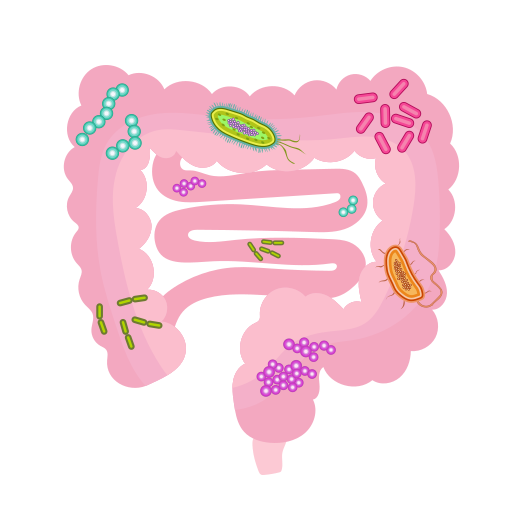
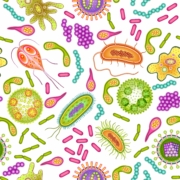
Your gut microbiome is the diverse community of bacteria, viruses, fungi, and other microbes residing primarily in your large intestine.

They are microscopic, but have an enormous collective impact. They have essential roles in digesting food, modulating inflammation, and influencing brain health.

The microbiome also builds and regulates most of our immune function.

Image: DataBase Center for Life Science, Wikimedia Commons

What is the gut microbiome?

Imagine a rainforest inside your body, teeming with life. Like any ecosystem, the gut microbiome thrives on diversity and balance. This community of microorganisms works together to help you break down fibre, extract nutrients, synthesise vitamins (such as B12 and K), and produce beneficial short-chain fatty acids.

While we tend to think of bacteria as harmful, the majority living in your gut are either beneficial or neutral. These microbes co-evolved with us and perform tasks we cannot do on our own—such as fermenting non-digestible carbohydrates or keeping pathogenic (harmful) bacteria in check.

It’s estimated that the human gut contains between 300 to 1000 different species of bacteria, with every individual having a unique microbiome signature, influenced by genetics, diet, environment, and lifestyle.

The microbiome’s role in the body

Research over the past decade has dramatically changed our understanding of the gut microbiome. Once considered a passive system, it’s now seen as an active organ in its own right, interacting with nearly every physiological process.

1. Digestion and nutrient absorption

Gut microbes help break down complex carbohydrates, such as dietary fibre, that we can’t digest on our own. The fermentation of fibre by certain bacterial strains produces short-chain fatty acids (SCFAs) like acetate, propionate, and butyrate. These SCFAs are anti-inflammatory and nourish the cells lining the colon.

2. Immune system regulation

About 70% of your immune cells reside in the gut lining. A healthy microbiome helps maintain the balance between immune tolerance (not reacting to harmless substances) and defence (attacking pathogens). An imbalanced microbiome may contribute to autoimmune conditions – in which the body mistakenly attacks its own healthy cells – and chronic inflammation.

3. Gut–brain axis

The gut-brain axis describes the two-way communication between the gut and the central nervous system. Through neural, hormonal, and immunological pathways, the gut influences mental health.

Certain strains of bacteria, particularly lactobacillus and bifidobacterium produce neurotransmitters like serotonin and GABA, these improve mood and cognitive function.

Image: Jill Wellington / Pexels

However, some bacteria mimic and interfere with these neurotransmitters. E-coli, campylobacter and clostridium are some of the bacterial culprits which release inflammation causing compounds (or toxins) causing mood to dip, anxiety to increase and sleep to be compromised.

Emerging evidence even links gut health to neurodevelopmental conditions like autism spectrum disorder and degenerative diseases such as Parkinson’s disease.

What disrupts the microbiome?

Despite its resilience, the gut microbiome is highly sensitive to changes in our environment and behaviour. Modern lifestyles, particularly in industrialised nations, are often hostile to microbial diversity.

1. Dietary factors

Diets high in ultra-processed foods, added sugars, and low fibre reduce beneficial species and encourage the overgrowth of pathogenic bacteria, which are otherwise not a problem when the microbiome is balanced.

Excessive alcohol consumption and low intake of plant-based foods limit microbial diversity.
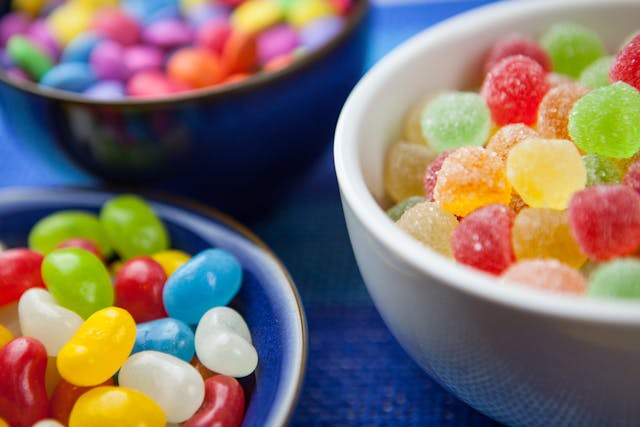
Image: Foodie Factor / Pexels

2. Medications

Antibiotics, while lifesaving, can wipe out both good and bad bacteria, potentially leading to long-term imbalance.

Medications that reduce stomach acids, NSAIDs (non-steroidal anti-inflammatory medications), and artificial sweeteners all negatively alter the gut microbiome.

3. Lifestyle stressors

Chronic stress or cortisol poisoning is felt in the gut.  The stress-hormone response increases intestinal permeability (leaky gut) and impairs microbial balance. This can show up as stress diarrhoea, nervous urination, nausea and ‘tummy ache’ in the lower abdomen. Is it just butterflies in your tummy, or compromised gut health?

Poor sleep quality disrupts the circadian rhythm of gut microbes. Sedentary behaviour has also been associated with reduced microbial diversity.

Eight ways to nurture your gut microbiome

Restoring and maintaining a healthy gut doesn’t require drastic changes. Simple, evidence-based strategies such as the following can support your microbiome’s resilience and diversity:

1. Eat a diverse range of whole foods

A variety of fibre-rich foods feeds different bacterial strains. Aim for 30+ plant types per week, including vegetables, fruits, nuts, seeds, legumes, herbs, and whole grains.
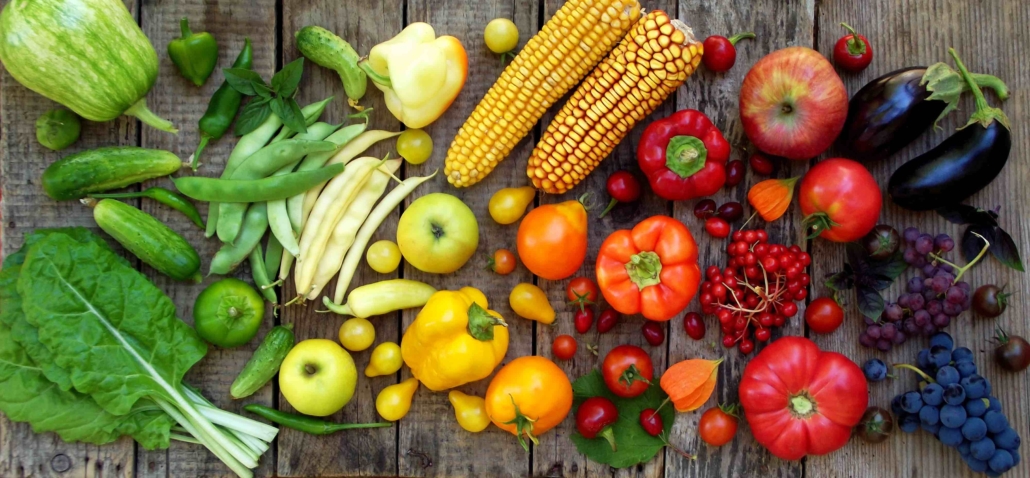
Image: Oksana S / iStock

2. Prioritise prebiotics and probiotics

Prebiotics are non-digestible fibres that act as food for beneficial bacteria. Sources include garlic, onions, leeks, asparagus and bananas.

Probiotics are live bacteria found in fermented foods like yoghurt, kefir, kimchi, sauerkraut, and miso. These can help restore microbial balance, especially after antibiotic use.

3. Minimise ultra processed foods

Artificial additives, emulsifiers, and preservatives in highly processed foods harm microbial communities and contribute to metabolic dysregulation.

Ultra processed foods look like this: instant noodles, snack chips, sugary cereals, frozen chicken nuggets, processed cheese slices, fizzy drinks and snack bars.

Many of them contain MSG (monosodium glutamate), thickeners, and phosphoric acid as additives. Taste has been enhanced with lab-produced flavourings such as ‘cheese flavour’, ‘strawberry flavour’, ‘honey flavour’. And the preservatives of choice are sulphates, sodium and/or sorbates. Food labels can feel like a minefield, but if you don’t recognise what’s on the label, it can be considered ultra processed food. 

4. Stay hydrated

Water is essential for maintaining a healthy gut lining and aiding fibre fermentation.

5. Move your body

Regular exercise has been linked to increased diversity and abundance of health-promoting bacterial strains.

6. Manage your stress

Mind-body techniques such as meditation, breathwork, or gentle movement like yoga can regulate the gut-brain axis and reduce inflammation.

Yoga on the beach (image: LucidSurf/istock)

7. Sleep consistently

A regular sleep schedule supports the natural circadian rhythms of your gut bacteria, which influence digestion and hormone production.

8. Consider supplementation carefully

While probiotic and prebiotic supplements can be helpful, they’re not one-size-fits-all. It’s best to consult a qualified health professional to tailor recommendations to your needs.

The microbiome and the future of health

We’re just scratching the surface of microbiome science. With emerging links to conditions as diverse as type 2 diabetes, cardiovascular disease, allergies, skin conditions, and even cancer, researchers believe the microbiome may soon be a central focus for personalised and preventive medicine.

Microbiome testing and interventions may one day guide us in choosing the best foods, therapies, or even medications based on our internal microbial profile.

The gut microbiome represents a new lens through which we can understand health, illness, and healing. It’s not about striving for perfection—but rather cultivating balance.

By eating real food, managing stress, staying hydrated, and treating your gut with respect, you can positively influence not just your digestion, but your immunity, energy levels, mood, and long-term vitality.


AUTHOR BIO: Paula Sharp is a nutritional therapist working one-to-one via Zoom to support women’s health, restore gut health and digestion, hormonal balance, skin and hair, sleep, shifting weight and health pre- and post-surgery. www.paulasharpnutrition.com
She is also a guest speaker, giving talks to companies on nutrition and mindset. In London she worked in the organic fruit and vegetable industry, and now she is based in Whakatāne, growing her own extensive spray-free garden.

https://organicnz.org.nz/wp-content/uploads/sites/2/2025/06/OIUGV60credit-Designed-by-Macrovector-Freepik-scaled.jpg 2560 2560 Staff Writer https://organicnz.org.nz/wp-content/uploads/sites/2/2024/09/OrganicNZ-2024-Masthead.png Staff Writer2025-07-10 15:27:182025-07-17 17:49:29The Gut Microbiome

Differently wired brains

25 Nov 24/in Features, Health and Food

By Mary Allan

“Neurodiversity describes the idea that people experience and interact with the world around them in many different ways; there is no one ‘right’ way of thinking, learning, and behaving, and differences are not viewed as deficits”.  This is the introductory sentence on the Harvard Education blog “What is neurodiversity?”

However, unless we dig a little bit deeper that catch-all term doesn’t explain the glaringly obvious struggles some people live with or the subtle, hardly noticed nuances that make life very difficult for others.

While I applaud inclusive language and thinking, my experience as a specialist in the management of autism spectrum in schools tells me that despite changing the terminology every 30 years or so, we are still very short on understanding how to help neurodiverse people survive and even thrive in our society that caters to the less diverse majority.

Understanding what is going on for people – especially children – is the only way to inform strategies and systems to help them cope with life.

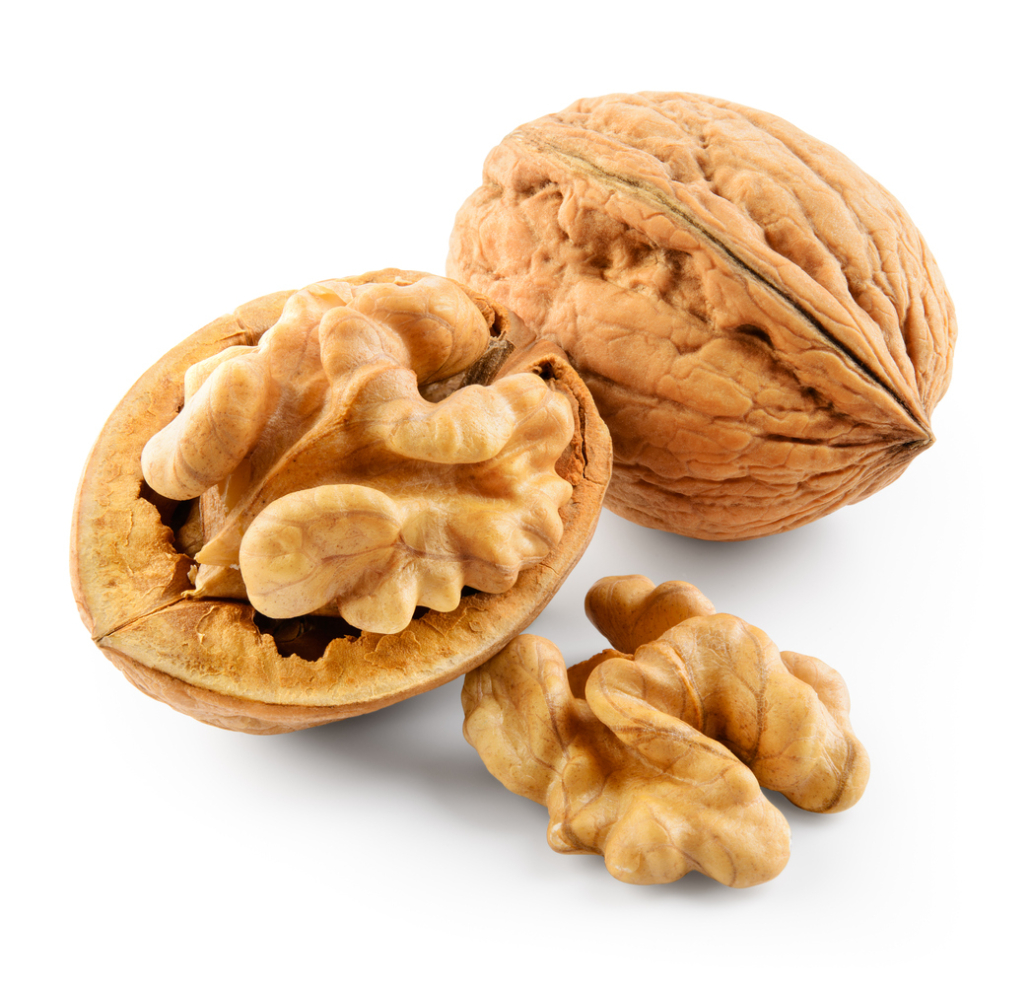
The shape of walnuts is similar to the human brain


The following content is only available to logged-in members. Join us to gain access to a wide range of content.

Mary Allan is a retired special needs educator who still maintains a focus on managing ASD and severe behaviour. She is a keen gardener, spurred on by the limited range of organic and GE-free foods in the supermarkets, and the need to provide gluten-free and dairy-free food for her family.

https://organicnz.org.nz/wp-content/uploads/sites/2/2024/11/pexels-mikhail-nilov-7929257.jpg 427 640 Staff Writer https://organicnz.org.nz/wp-content/uploads/sites/2/2024/09/OrganicNZ-2024-Masthead.png Staff Writer2024-11-25 11:25:282024-11-25 11:25:29Differently wired brains

The rise, reasoning, and role of Soil & Health Association of NZ

06 May 24/in Features, Free Online, Magazine Articles

Historian and Soil & Health National Council member Matt Morris chronicles the
genesis of the Soil & Health Association, and the impact we have
made on organics in New Zealand.

We hope you enjoy this free article from OrganicNZ.  Join us to access more, exclusive members-only content.

The Soil & Health Association of New Zealand (publisher of Organic NZ) formed in 1941 as the New Zealand Humic Compost Club. Since then, the organisation has changed its name several times, always responding to the issues of the day and the need to stay relevant. It became the Organic Compost Club in the 1950s, the Soil Association in 1970, and finally the Soil & Health Association of New Zealand in 1987. Of course, it is likely the name will change again in the future, certainly the organisation is undergoing significant change right now.

But when we think about the future of Soil & Health, it can be helpful to understand more about the past. What were the key drivers behind the formation of this organisation, and is there anything we can learn from them? To understand this, we really need to look at least as far back as the 1920s, if not further. In brief, a number of matters were causing significant concern in New Zealand (Pākehā) society, and throughout the British Empire after the traumatic years of World War One. People had gained the idea that the world was fragile.

This fragility was characterised in numerous ways, chief among them being a belief that the declining birth rate was a reflection of declining virility: the idea of ‘racial degeneration’. Suspected causes of this included that food quality had declined. At the same time, it was becoming all too clear that farming practices were, in some places, leading not only to extensive biodiversity loss, but also to soil erosion.

During this period, Sir Albert Howard, director of the Institute of Plant Industry in India, perfected the Indore compost heap – a scientific advance of considerable importance in India. His initial findings were published in his book The Waste Products of Agriculture (1931) and reiterated in more popular form in An Agricultural Testament (1943). His publications reached a wide international audience and unquestionably influenced discourse in New Zealand. His work was paired with Robert McCarrison’s claims about causes of apparently perfect health in the Hunza people by G.T. Wrench in his The Wheel of Health: A study of the Hunza people and the keys to health (1938). Howard continued to join the dots between declining human health and declining soil fertility, while his solution – compost – would correct both of these and stabilise eroding soils as well.

In New Zealand, a dentist by the name of Dr Guy Chapman founded the Food Reform Society in 1922, looking to improve the eating habits of New Zealanders. The following year, Forest & Bird began its activities – focused initially on forest loss and its impact on native fauna. While the aims of these two organisations may seem dissimilar, during the 1930s they started to coalesce around the same theme: soil health.

The subject of soil health, and particularly soil erosion, became topical during this time in New Zealand as in the rest of the Empire. The Esk Valley floods of 1938 resulted in excessive and devastating silting in the valley, followed by ‘dust bowl’ conditions the following year. This stimulated much cause for reflection: forest clearance for farming had wreaked havoc – a situation that had been predicted back in 1913 by the Royal Commission on Forestry led by ecologist Leonard Cockayne. Forest and Bird’s publications included content on soil erosion and Lance McCaskill, a mouthpiece for the organisation, promoted this message more widely during the 1940s.

It is little surprise, then, that someone in New Zealand would want to promote Albert Howard’s innovation. That person was Guy Chapman, who had founded the New Zealand Food Reform Society, and who, since then, had also formed the New Zealand Women’s Food Value League (1937). And it is also little wonder that his New Zealand Humic Compost Club would draw in avid Forest and Birders, like Yeo Tresillian Shand whose pamphlet The Crime Against the Land was a kind of Bible for the early composters.

The timing was also incredibly consequential for the longevity of the new movement. In 1941, the British Empire was losing the war – Dunkirk had just happened (1940) and German physical prowess was contrasted against pasty, unhealthy looking Brits. The eugenicist obsession in Germany prior to the war – captured in the phrase ‘Blood and Soil’ – was seen as one reason for their success in dominating Europe so quickly once war broke out.

More importantly, the New Zealand government predicted possible food shortages on the home front, given so much primary production was being redirected to supporting American troops stationed in the Pacific. This resulted in a range of measures, including the Dig for Victory campaign, which encouraged householders to grow their own food. But the war also meant imported phosphatic fertilisers were not available; the logical result being the promotion of composting as a way to build a physical virile population by ensuring home-grown veges and fruit would be nutritionally sound.

Guy Chapman became the national chair of the Dig for Victory campaign, and the government produced official gardening guides that promoted Albert Howard-style hot compost heaps. It may seem extraordinary to us now that the Soil & Health’s origins involved such a high level of government endorsement – even leading a government programme – but without this history it is quite possible that the movement would have died out not long after the war ended in 1945. While Albert Howard had hoped his compost would reform farming throughout the Empire, actually his message was mostly picked up by home gardeners who ensured his enduring legacy.

At some point in the 1950s, the Compost Club changed its name to the New Zealand Organic Compost Society. The word ‘organic’ in this context was at the time something of an innovation. The name change hinted at a key change in the movement – from being ‘compost-minded’ to being ‘chemical-free’. The post war period was awash with new chemical products and messages about ‘scientific’ and labour-saving approaches to gardening that the composters naturally reacted against.

In 1970, the New Zealand Organic Compost Society changed its name to the Soil Association, drawing a direct connection with the British organisation of the same name, founded in 1946 by Eve Balfour, author of The Living Soil (1943), who was also Patron of the New Zealand organisation.

By now the earlier openness of the movement had closed down somewhat: organic and chemical gardeners found it difficult to see eye to eye. However, this horticultural cold war started to thaw somewhat in the early 1980s when it became apparent that organic farming was gaining traction internationally. At this time, the Soil Association’s focus shifted from being a series of organic gardening clubs to promoting a vision for a commercial organic farming sector. It may be a surprise to learn that Federated Farmers were the first organisation to bring together practitioners and researchers of organic farming. Perhaps it is a bigger surprise to learn that it is far from clear whether the certification programme we now know as BioGro would have got off the ground without this early support from Federated Farmers and significant input into the wider organic movement from the then National Government and the neo-liberal Fourth Labour Government that followed.

A critical figure at this time was Bob Crowder, whose Biological Husbandry Unit (BHU – founded on a micro scale in 1977) at Lincoln University provided research and demonstration muscle not previously available in this country. Neither should we forget Chris and Jenny May, who along with Dave Woods (and Bob) really got BioGro off the ground, or Perry Spiller who worked tirelessly to bring in much needed funding to extend the impact of the organisation. For example, Project Gro (Giving to Research in Organics) raised over $50,000 for the BHU alone, and funded an Association Education Officer.

By the late 1990s, Soil & Health turned to protecting this still-young commercial organic sector from the spectre of genetically modified organisms, as well as the ongoing risks of spray drift from conventional farms and other chemical users. Meriel Watts (author of The Poisoning of New Zealand, 1984) was appointed Association director, while Brendan Hoare became president in 1998. In 1999, the Green Party developed a confidence and supply arrangement with the Labour Government, and Soil & Health won contracts to establish new initiatives funded through that agreement. One of those ultimately became the certification organisation OrganicFarmNZ, while another focused on developing edible gardening in the school curriculum. Once again, the organisation had official backing.

Not much later, Soil & Health spearheaded the Organic Federation of New Zealand, which later became Organics Aotearoa New Zealand – a peak sector group that could liaise directly with the government on behalf of member organisations. An outcome of this collaboration is the Organic Products and Production Act, which became law in 2023. Once again, Soil & Health played its part in representing the interests of consumers and small growers in the consultations.

What lessons can be learned when we review our own history? One is that our core message – that human health depends on soil health – never gets old. It is as relevant now as it was in 1941. Another is that Soil & Health has had some tremendous successes. It is incredible to think that composting has become an embedded practice for so many directly due to the hard work of those early compost advocates. We have supported the creation of organic certification programmes underpinning our organics industry and our lobbying has been successful in keeping GMOs out of New Zealand’s environment. Our work has led directly to the Organic Products and Production Act, enshrining key principles of the sector in law.

But above all, it is the hard work and generosity of our passionate members and volunteers that stands out in this incredible, rich history. We have the power to continue making an important and much-needed impact in our country, so, if you’re not already, now is the time to get involved! Please join us in Wellington at the Organic Futures Symposium, the OrganicNZ Awards, and of course our critical Special General Meeting.


https://organicnz.org.nz/wp-content/uploads/sites/2/2020/06/SHA.png 297 299 Staff Writer https://organicnz.org.nz/wp-content/uploads/sites/2/2024/09/OrganicNZ-2024-Masthead.png Staff Writer2024-05-06 17:04:412025-03-28 15:24:17The rise, reasoning, and role of Soil & Health Association of NZ

The joys of sauerkraut

16 Jan 19/in Health and Food, Magazine Articles

By Mike Bradstock

Sauerkraut is one of the healthiest preserves you can make. By a natural fermentation process it converts humble cabbage into a tasty and versatile nutrient-and-vitamin-rich product. It is high in vitamins C, K, B6, folate, and minerals including iron, calcium and magnesium. The only drawback is its comparatively high salt content, though this is partly offset by less need to salt the food you eat it with, and you can remove some of the salt by rinsing immediately before use.

Many people believe sauerkraut needs to be made in bulk and is tricky and a lot of work. In fact it is easy and you can make it in small quantities; I only make only a couple of litres (about one cabbage’s worth) at a time.

The following content is only available to members. Join us for access.

https://organicnz.org.nz/wp-content/uploads/sites/2/2019/01/sauerkraut-variety-preserving-jars-homemade-sauerkraut-with-carrot-picture-id1071461524.jpg 1102 735 Staff Writer https://organicnz.org.nz/wp-content/uploads/sites/2/2024/09/OrganicNZ-2024-Masthead.png Staff Writer2019-01-16 18:53:002025-06-20 12:12:11The joys of sauerkraut
Page 3 of 3123

Categories

  • All Articles
  • News
  • Features
  • Gardening
  • Health and Food
  • Farming and Horticulture
  • Building and Technology
  • Free Online

Latest Articles

  • Harvested rhubarb stalks; photo by Planet Fox, Pixabay
    Rhubarb: An old-fashioned favourite
  • Pile of biodynamic cow horns
    Understanding Biodynamics
  • preparing to save seeds - moon calendar
    Moon Calendar November-December 2026
  • Green herb dressing being poured over salad
    Green Goddess Dressing, Dip or Sauce
  • The Health Detective’s Handbook
  • Savoy cabbage
    When cabbage is sexy!
  • Peter Butler
    Plant fiend
  • A life of plants, food and foraging
  • Ross Vintiner of Dali Olives holding a handful of Johnson-Su compost
    Organic probiotic for the soil
  • Biochar, black gold and bananas
Soil & Health Association of NZ Established 1941

Proudly published by the Soil & Health Association NZ

  • About us
  • Contact us
  • Help us
  • Sign up to the Newsletter
© Copyright OrganicNZ | Soil and Health Association NZ.
  • Link to Facebook
  • Link to Instagram
  • Link to LinkedIn
  • Privacy Policy
  • Editorial Policy
Scroll to top Scroll to top Scroll to top