
When cabbage is sexy!
Cabbage might not seem to be the most glamorous vegetable in the garden, but give it a little attention and it rewards you with versatility, nourishment and weeks of good eating, as Paula Sharp writes.
We hope you enjoy this free article from Organic NZ. Join us to access more, exclusive member-only content
There is something wonderfully satisfying about a cabbage. You plant one small seedling and, given the right conditions, it quietly gets on with the job of producing a substantial head of food. Unlike some of our more fleeting seasonal vegetables, cabbage is wonderfully forgiving. It stores well, feeds a crowd and can be eaten raw, steamed, roasted, stir-fried or fermented.
Variety and versatility
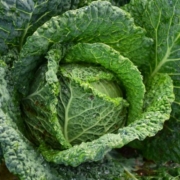
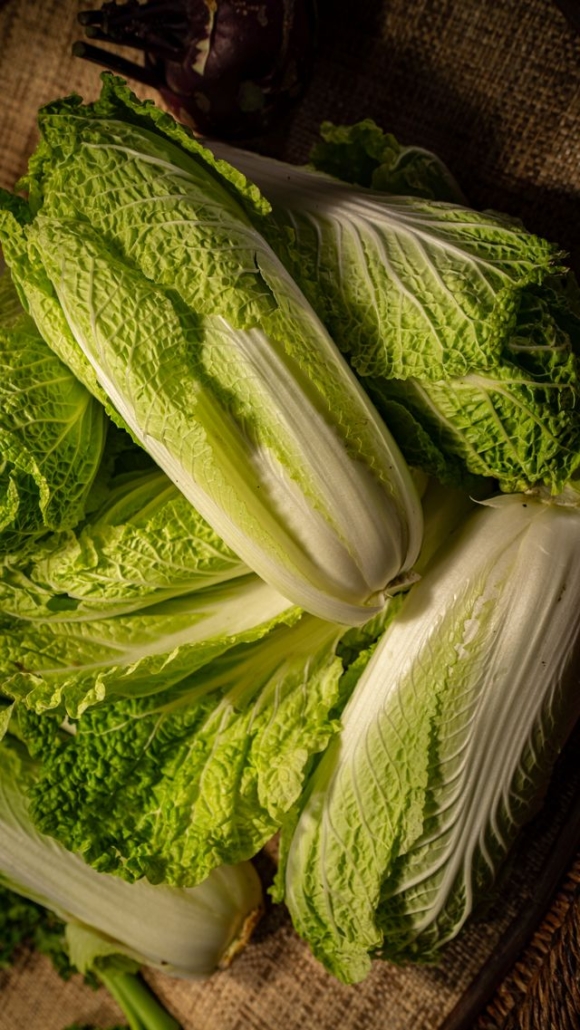
It also comes in far more forms than the tightly packed green cabbage many of us remember from childhood. Savoy cabbage has crinkly, tender leaves. Red cabbage brings beautiful colour to a winter slaw. Pointed or sweetheart cabbage is mild and naturally sweet, while Chinese cabbage has softer leaves that work beautifully in stir-fries and soups.
Nutrition for the gut and more
Cabbage belongs to the brassica family, alongside broccoli, cauliflower, Brussels sprouts, kale and bok choy. Like its brassica cousins, cabbage provides fibre, vitamin C, vitamin K and folate, along with a range of naturally occurring plant compounds.
Its fibre is particularly useful for supporting a healthy digestive system and eating cabbage as part of a varied diet also helps us feed the trillions of microorganisms living in our gut.
Then there is fermentation. Traditional fermented cabbage, such as sauerkraut and kimchi, use naturally occurring microorganisms to transform fresh cabbage into something completely different.
Fermented foods can be a useful addition to a varied diet, providing live cultures depending on how they are made and stored.
ABOVE: Wombok cabbage is great to use for kimchi. Photo: Undo Kim, Pexels
Serving and cooking tips
Don’t boil it to death! Perhaps cabbage has suffered from its reputation for being overcooked. The trick is to treat it with a little more respect. Slice it finely and eat it raw with apple, carrot and a sharp dressing. Cut it into wedges and roast it until the edges caramelise. Stir-fry it quickly with garlic and ginger. Or simply steam it until just tender and finish with butter or olive oil, lemon and plenty of black pepper.
Paula’s tip – don’t throw away the outer leaves or the core. The tougher outer leaves can be added to stock, while the crisp core is perfectly edible; finely sliced, it adds crunch to salads and slaws.
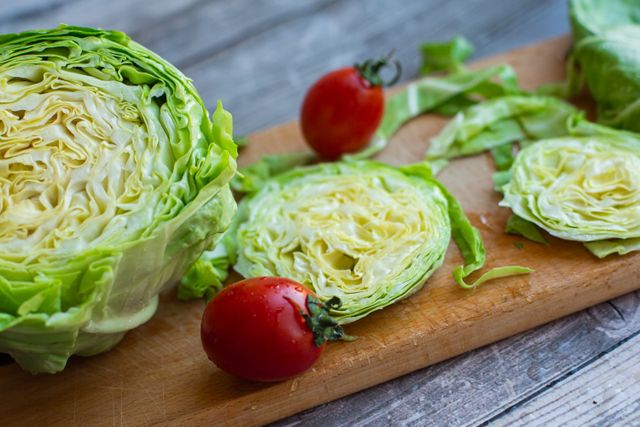
Photo: Victoria Emerson, Pexels
If you enjoy simple, grounded nutrition like this; practical, seasonal, and realistic, you can join Paula’s Sharp Bite newsletter for weekly insights, recipes, and support HERE.
Growing cabbages
If you’re growing cabbage organically, good soil preparation and regular watering will help plants establish well. Brassicas are hungry crops, so compost and well-nourished soil are your friends. Keep an eye out for the cabbage white butterfly and its green caterpillars, which can make short work of young plants. Fine insect netting is one of the simplest ways to protect them without resorting to sprays.
Once harvested, cabbage will keep for considerably longer than delicate salad greens. That makes it an excellent vegetable to have on hand when you want to eat well without constantly shopping. And perhaps that’s cabbage’s greatest strength. It isn’t fancy. It doesn’t need to be. It’s simply good food grown in the garden, picked when ready and transformed into something delicious with very little fuss.
Cabbage recipes
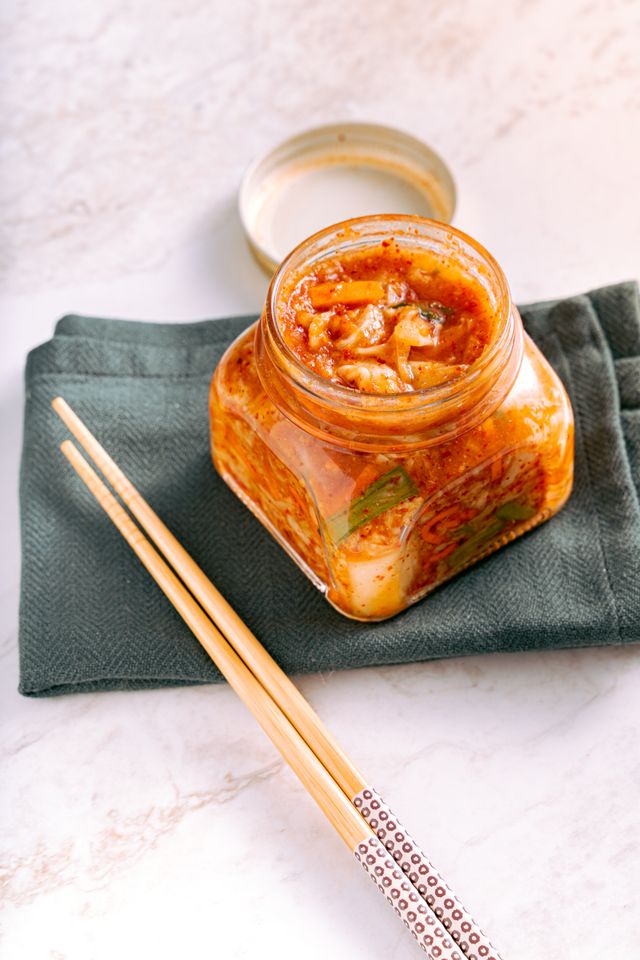
Easy homemade kimchi
Makes about 1 large jar (larger than the picture!)
Ingredients
- 1 medium Chinese cabbage (wombok), about 1kg
- 2 tbsp sea salt
- 1 small carrot, cut into matchsticks
- 4 spring onions, sliced
- 3 garlic cloves, finely grated
- 2cm piece fresh ginger, finely grated
- 1–2 tbsp Korean chilli flakes (gochugaru), depending on how spicy you like it
- 1 tbsp fish sauce (or use soy sauce or tamari)
- 1 tsp sugar
- 2 tbsp water
Photo: Antoni Shkraba, Pexels
Method
- Cut the cabbage into bite-sized pieces, removing the tough core.
- Place in a large bowl and sprinkle over the salt.
- Massage the salt through the cabbage and leave for 1–2 hours, turning it occasionally. The cabbage should soften and release some liquid.
- Rinse the cabbage thoroughly under cold water and drain well.
- Mix the garlic, ginger, chilli flakes, fish sauce, sugar and water into a paste.
- Add the cabbage, carrot and spring onions and mix well – clean hands are easiest!
- Pack the mixture firmly into a clean glass jar, pressing it down so the vegetables are below the liquid. Leave at least 2–3cm of space at the top.
- Cover loosely with a lid and leave at room temperature for 1–3 days, checking each day. You should see bubbles and notice a pleasantly sour, fermented smell.
- Once it tastes tangy enough for you, seal the jar and refrigerate. The flavour will continue developing in the fridge.
Paula’s tip: Fermentation is a living process, so don’t panic if your kimchi changes slightly in colour, smell or texture. However, if you see fuzzy mould or notice a genuinely rotten smell, throw it out.
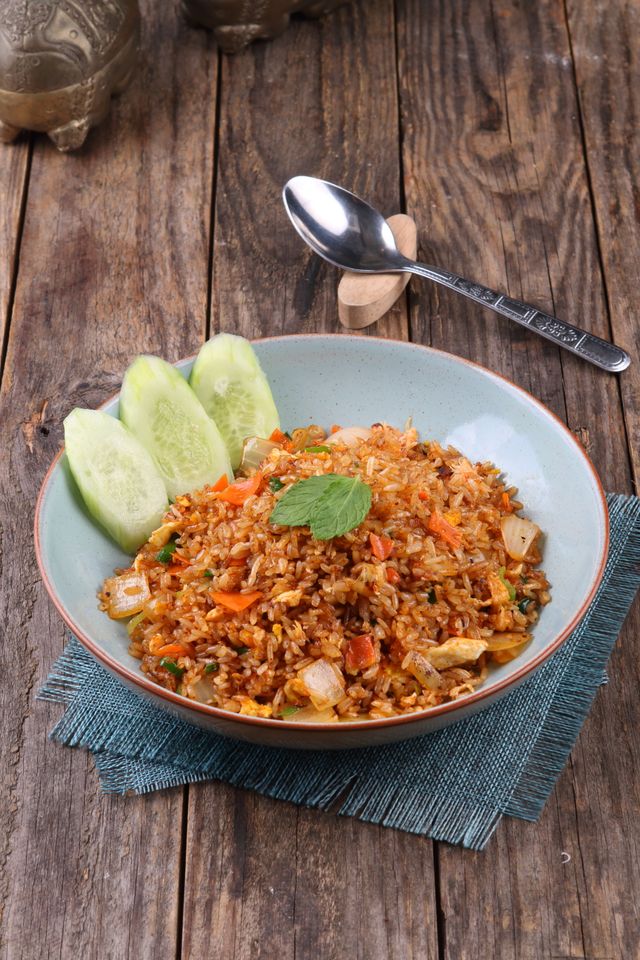
Easy vegetable nasi goreng
Serves 4
This is a great way to use up cabbage and whatever else is hanging around in the fridge.
Ingredients
- 4 cups cooked cold rice
- 2 tbsp coconut oil
- 2 eggs
- 2 garlic cloves, finely chopped
- 1 small onion, finely sliced
- 2 cups finely shredded cabbage
- 1 carrot, julienned or grated
- 1 red capsicum, thinly sliced
- 1 cup frozen peas
- 3 spring onions, sliced
- 2 tbsp kecap manis (or 1½ tbsp soy sauce or tamari + 1 tsp honey or maple syrup)
- 1 tbsp soy sauce or tamari
- 1 tsp sesame oil
- Juice of ½ lime
- Fresh coriander
- Optional: sliced fresh chilli
To serve
- Lime wedges
- Crispy fried shallots
- Extra spring onion
- Chilli
- Chopped nuts (or even crunchy nut butter)
Photo: Undo Kim, Pexels
Method
- Heat a large wok or frying pan over high heat.
- Add a little oil and crack in the eggs. Scramble lightly, then remove to a plate.
- Add the remaining oil, followed by the onion and garlic. Stir-fry for a minute, then add the cabbage, carrot, capsicum and peas.
- Cook for 2–3 minutes; you want the vegetables cooked but still crisp.
- Add the cold rice and toss everything together over high heat.
- Add the kecap manis, soy sauce and sesame oil. Keep tossing until the rice is hot and lightly caramelised.
- Return the egg to the pan and add the spring onions. Finish with lime juice and coriander.
Optional: serve with lime wedges and, if you like, fresh chilli, crispy shallots and chopped nuts.
Paula’s tip: Cold, cooked rice is the secret to good nasi goreng.
Freshly cooked rice tends to become soft and sticky. Leftover rice from the night before is perfect.

Want more seasonal nutrition inspiration?
I’m Paula Sharp, nutritional therapist and founder of Paula Sharp Nutrition, supporting women to nourish their health with sustainable food and mindset habits.
If you’d like seasonal recipes, practical nutrition tips and evidence-based wellness insights delivered straight to your inbox, I’d love you to join my newsletter. Sign up at: www.paulasharpnutrition.com
Photo at top of article: Savoy cabbage, Pexels-Pixabay