
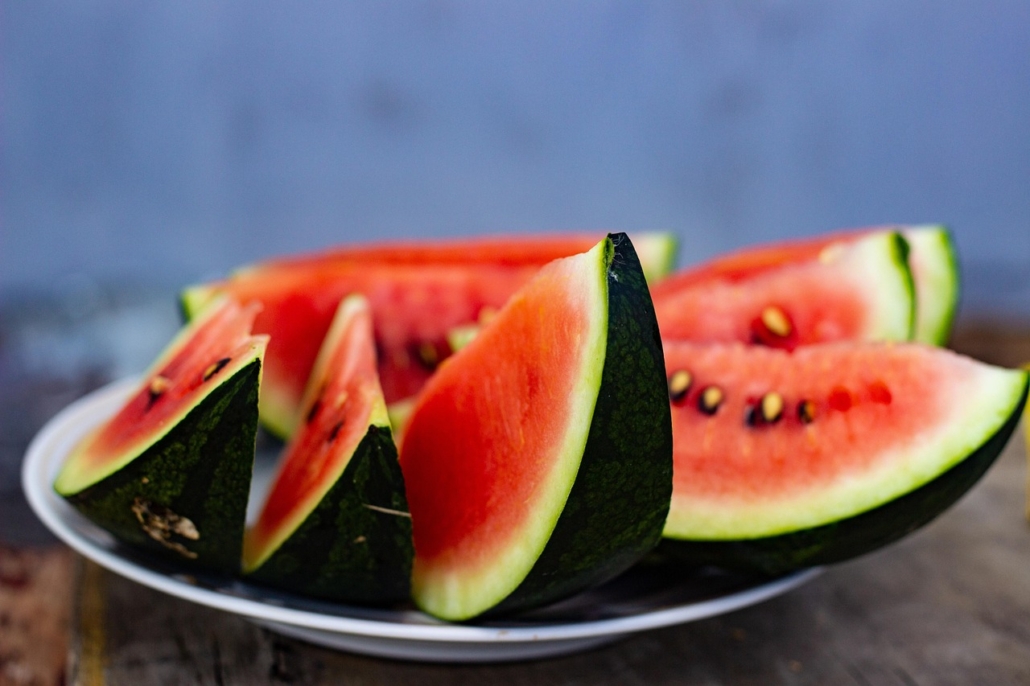
Summer’s juiciest hydrator
The watermelon
Few foods say ‘New Zealand summer’ quite like watermelon. Crisp, refreshing and naturally sweet, the watermelon is more than a picnic staple: it’s a nutritional ally for hydration, heart health and skin vitality.
With its high water content and vibrant pink-red flesh, watermelon earns its place as one of summer’s most supportive seasonal foods, as Paula Sharp writes.
We hope you enjoy this free article from Organic NZ. Join us to access more, exclusive member-only content
The watermelon (Citrullus lanatus) is believed to have originated in Africa over 5000 years ago, where it was valued not only for its sweetness but its ability to store water in hot, dry climates. Archaeological evidence shows watermelon seeds placed in Egyptian tombs, highlighting its role as a life-sustaining food. From Africa, watermelons spread through the Mediterranean and Asia, eventually becoming a summer fruit worldwide.
Growing watermelons
Today, watermelons are grown seasonally in New Zealand, particularly in warmer regions with long sunny days and free-draining soils. They thrive in warm, sunny conditions and need room to sprawl. They prefer fertile, compost-rich soil with good drainage and consistent watering, particularly while fruit is forming.
Seeds are best planted after the last frost, once soil temperatures are reliably warm. Organic growers often use mulch to retain moisture and suppress weeds. It usually takes 70-100 days from planting to harvesting, although some varieties take up to 120 days. A ripe watermelon sounds hollow when tapped and has a creamy yellow patch where it rested on the ground.
Seeds are best planted after the last frost, once soil temperatures are reliably warm. Organic growers often use mulch to retain moisture and suppress weeds.
It usually takes 70-100 days from planting to harvesting, although some varieties take up to 120 days. A ripe watermelon sounds hollow when tapped and has a creamy yellow patch where it rested on the ground.
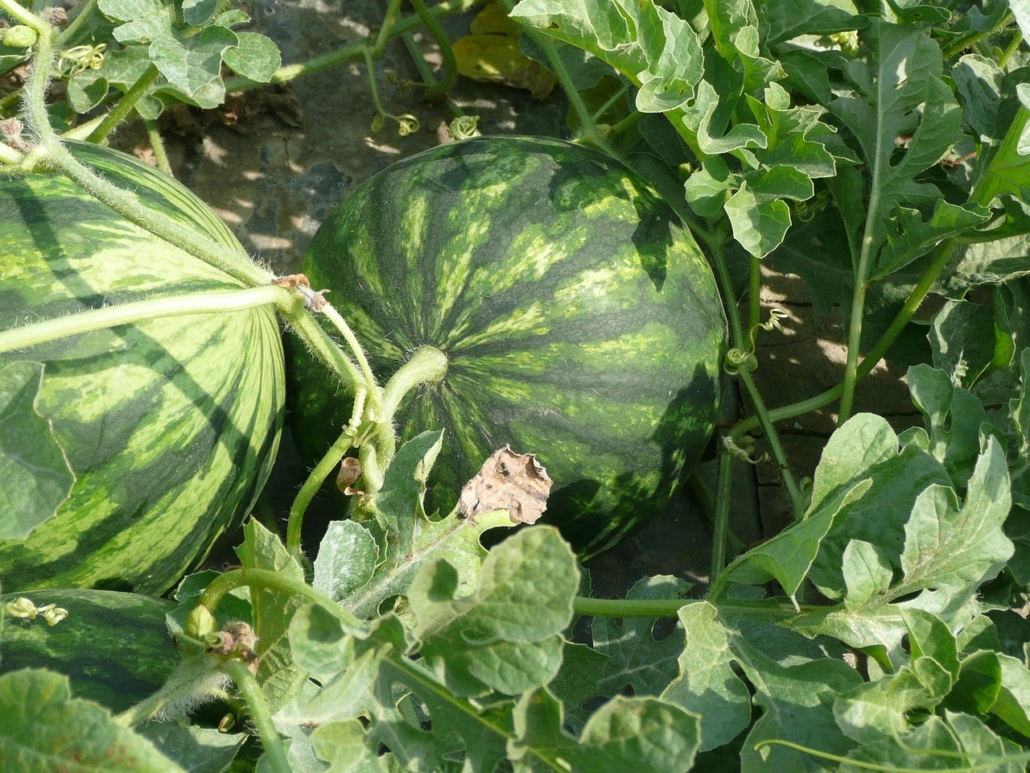
Photo: Lorenzo Andreotti, Pixabay
Super hydration
Watermelons are made up of around 90% water; they are among the most hydrating foods available. This is especially valuable during summer when dehydration can creep in unnoticed, particularly for children and older adults.
As well as water, watermelons provide electrolytes such as potassium and magnesium, which support fluid balance, muscle function and nerve signalling. For those who struggle to drink enough water, watermelons offer a refreshing and nourishing alternative.
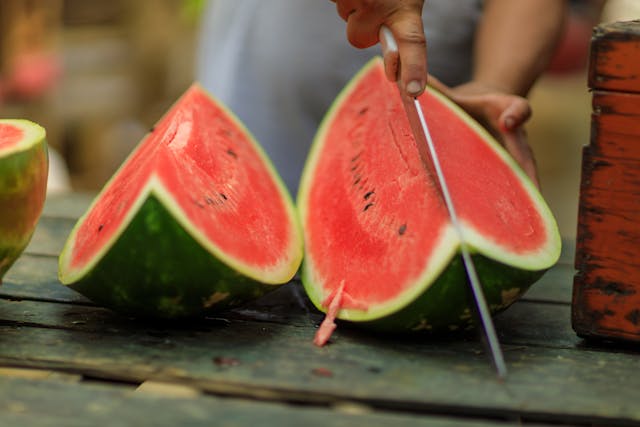
Nutrition
Despite its sweetness, the watermelon is relatively low in calories and delivers meaningful nutritional value. It provides vitamin C to support immune health and collagen formation, and vitamin A (as beta-carotene) to support skin, eye and cellular health.
The red flesh of the watermelon is rich in lycopene: a powerful antioxidant linked to reduced oxidative stress and improved heart health. Notably, watermelons contain highly bioavailable lycopene, making them a valuable addition to a cardioprotective diet.
Watermelons also contain the amino acid citrulline, which is found in the flesh and pale rind. Citrulline supports nitric oxide production in the body, helping to improve blood flow and support circulation and exercise recovery.
Cautions
Watermelons suit most, but not all people.
- Diabetes or insulin resistance: natural sugars in watermelon can raise blood glucose more quickly when eaten on its own. Pairing it with protein or healthy fats and keeping portions moderate can improve tolerance.
- Post bariatric surgery: Larger amounts of watermelon may trigger blood sugar swings or symptoms of dumping syndrome due to the high water and sugar content. Smaller portions, eaten slowly and alongside protein, are usually better tolerated.
- Digestive sensitivities (including irritable bowel syndrome – IBS): Watermelon’s fructose content can cause bloating. Individual tolerance varies, so listening to your body is key.
Nature’s timing
For me, eating watermelon is a reminder of nature’s timing: a cooling, hydrating food arriving exactly when we need it most. Simple, joyful and deeply nourishing, watermelons show that good nutrition can be practical and pleasurable.
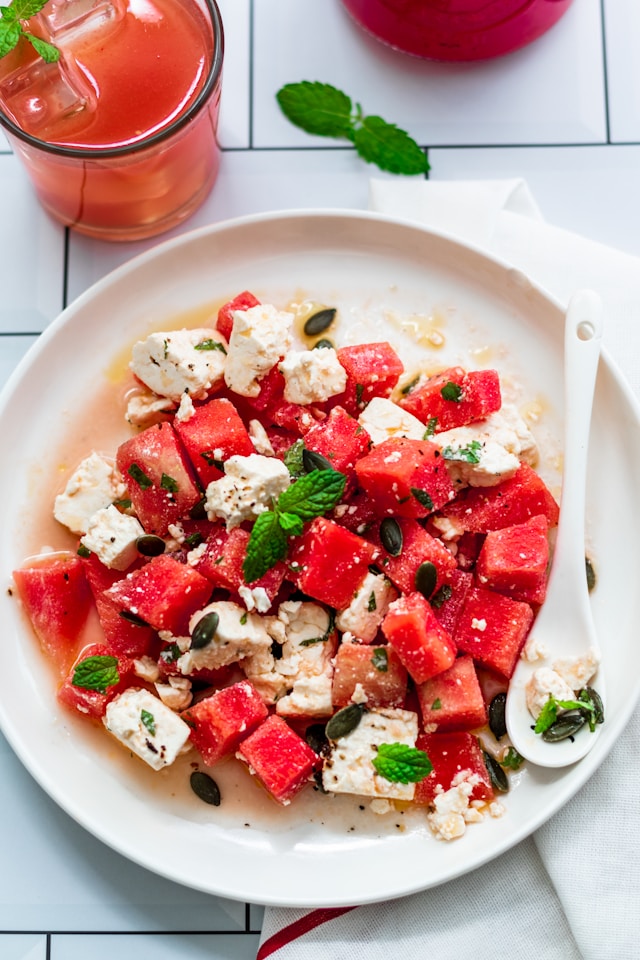
Watermelon, mint & feta salad
Ingredients
- 4 cups watermelon, cubed
- ½ cup organic feta, crumbled
- handful fresh mint leaves, torn
- 1 tbsp extra virgin olive oil
- freshly ground black pepper
- optional: squeeze of lime juice
Method
Serve chilled.
Gently toss watermelon, feta and mint in a bowl.
Drizzle with olive oil, season with pepper and add lime juice if using.
Photo: Monika Borys, Unsplash
Watermelon hydration slushie
A great electrolyte. Serves 2.
Ingredients
- 3 cups watermelon, deseeded
- juice of ½ lemon
- pinch of sea salt
- a few ice cubes
- optional: fresh mint or basil
Method
Blend all ingredients until smooth. Serve immediately.
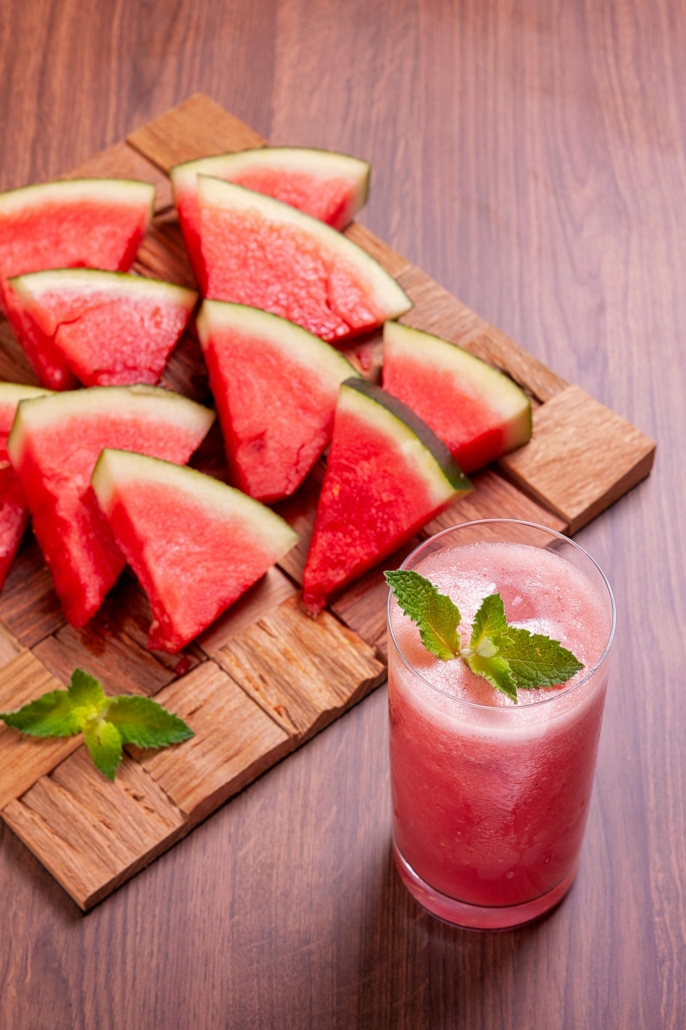
Photo: Marcelo Verfe, Pexels

AUTHOR BIO
Paula Sharp is a nutritional therapist based in Whakatāne, New Zealand, supporting people, especially women to improve digestion, hormones, energy and overall wellbeing through practical, holistic nutrition.
Join the Sharp Bite Newsletter: for seasonal nutrition tips, recipes and simple wellbeing insights, subscribe to Paula’s Sharp Bite newsletter at www.paulasharpnutrition.com.
Photo at top of article: 1179 Design, Pixabay