Plant fiend
Plants of all sorts play their parts in this lively memoir by Peter Butler – from the plants that led to his imprisonment, to those he’s planted for income, enjoyment, or carbon sinks.
Butler is an entrepreneur with a zest for life, and an ebullient raconteur.
We hope you enjoy this free article from OrganicNZ. Join us to access more, exclusive member-only content
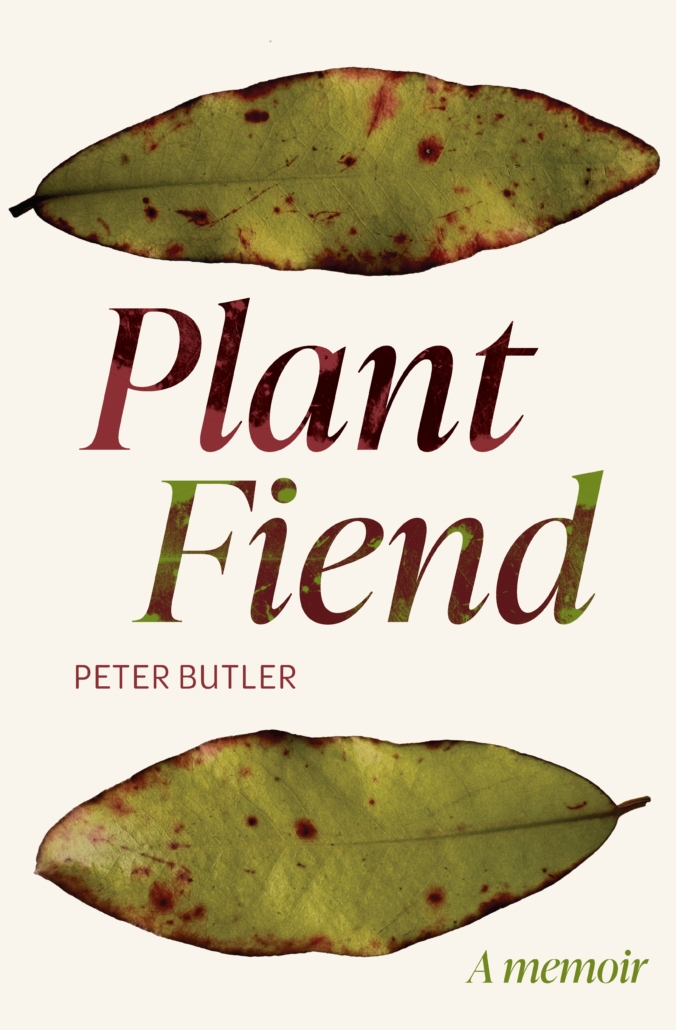
This extract is taken with kind permission from newly published memoir Plant Fiend by Peter Butler, Potton & Burton, $40, available in bookstores nationwide.
The HealthPost Nature Trust volunteers have just named their feistiest new fluttering shearwater chick, Butler, after me. It’s the one that fights and pecks at feeding time. These burrowing seabirds are not rare, but have been able to breed only on offshore islands since mammalian predators were introduced to New Zealand.
Our charitable trust is translocating and hand-feeding chicks to re-establish the first colony back on the mainland, within the Wharariki Ecosanctuary, at Cape Farewell on the west coast of Golden Bay.
It’s not a compliment to be named after this scrappy bird; I’m not proud of these traits reflected in me, but I’ve learned to accept and even use them. When my mother gave birth to my younger brother, she worried that she wouldn’t be able to survive another one like me – but he turned out not to be the sort of pre-schooler she needed to tie to the clothesline pole. I was a bit feral – I chopped the hair off my sister’s favourite doll and learned to catch bees in my cupped hands without getting stung. Who knows where these characteristics come from? I was born with the umbilical cord around my neck – a reasonably common thing but apparently I went blue, and it was touch and go. Perhaps this contributed to me approaching life as a challenge.
Plants are my solace, silent companions that emanate calm. I like to be around them, look at them, taste their flavours, breath the oxygen they produce, inhale their various scents. Just like a crowd of people, a crowd of plants has a collective smell – there will be the odd flower that layers its whiff over the crowd, just like a woman with a loud perfume. You can usually pick the woman, but the plant can be nondescript, such as māhoe (whiteywood), whose strong-smelling little cream flowers emerge directly from its branches.
After rain, you can enjoy the rich, dark smell of all the composting (rotting, if you must) that has been catalysed by the moisture. It’s the musk of fungi breathing and insects farting. We all know the pleasure of walking beneath trees on a hot day – and it’s not just the shade but also the quality of the enriched air that gives us a lift. The biophilia theory, that humans have an intrinsic need to connect with nature, and plants in particular, for physiological well-being, has been repeatedly established through simple experiments.
This search for solace through working with, or being in the company of, plants and the wild is a theme that has run through my life. The hills surrounding the Maitai River in Nelson were my early teenage playground. I attended a secondary school with a lodge set in beech forest surrounded by mountains, where bands of boys were trusted to explore. The keenest of us organised our own multiday tramping trips. Always hard, always exhilarating. And then escaping the claustrophobia of university in Christchurch was as simple as taking my books across the road to the magnificent botanical gardens. Working holidays were in a Queenstown that had not yet been crammed with tourists and millionaires.
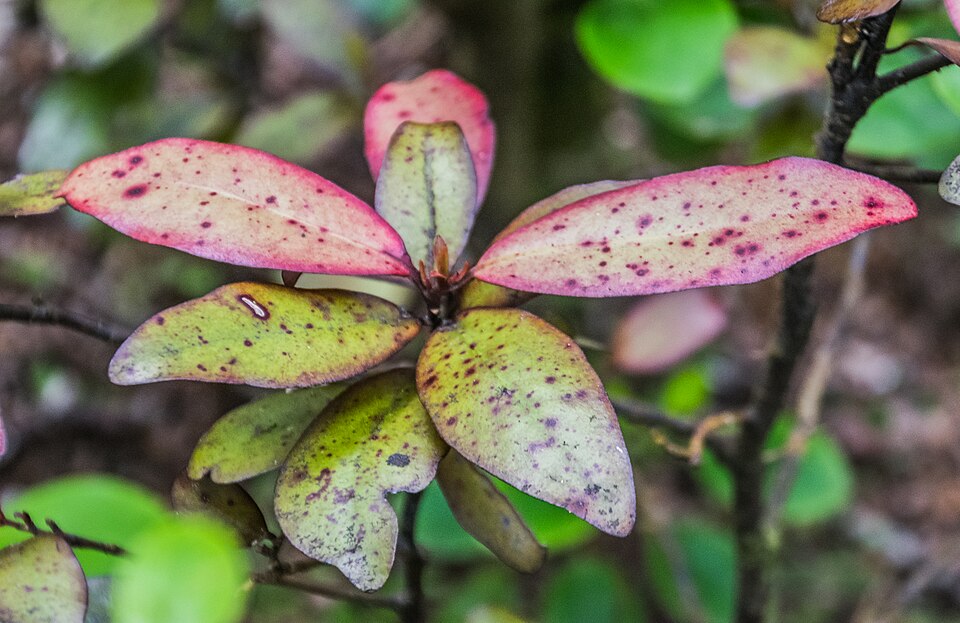
My stuttering attempts at a creative career in Auckland were substituted for life on a remote bush block in Golden Bay, track-making for the Forest Service and mining for gold. I experimented with lots of different crops in an attempt to make a living off the best of our dirt, spending decades developing the world’s only horopito farm, and in every visit back to that farm I still experience infusions of exquisite calm.
ABOVE: Horopito (Pseudowintera colorata), Tongariro National Park. Photo: Krzysztof Golik, Wikimedia Commons
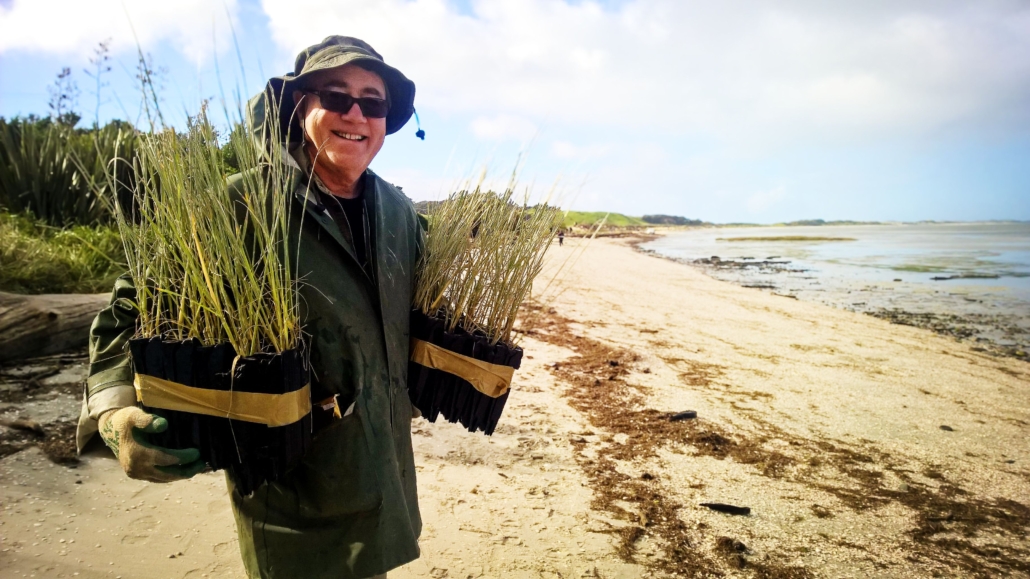
Now there is Nature Trust, which is a bit like work, quite hard at times, but our ecosanctuary, high on the cliffs of Cape Farewell, feels like a Noah’s Ark, and we’re working to transform Farewell Spit into a Garden of Eden.
Author bio
Peter Butler grew up in Timaru and studied Political Science and History at the University of Canterbury before moving to a remote forest in Nelson’s Golden Bay. There, he threw himself into entrepreneurial activities, not all of which were successful. However, his relentless determination paid off with the creation of highly regarded natural health companies Forest Herbs Research and HealthPost.
Beyond horticultural and business activities, Butler has produced a feature documentary and written four books. He is now passionately engaged in improving the biodiversity of the Wharariki Farewell Spit area as chair of HealthPost Nature Trust. His memoir, Plant Fiend, chronicles his audacious, colourful life.