Posts

Illustration of tractor spraying pesticides in a paddock, with people, animals, bush, stream and wildlife next to it

Parable of the paddock edge

We are the ones who live beside the paddock.

No one asked us whether the new substance belonged here.

A parable for our times by David McNeill

We hope you enjoy this free article from Organic NZJoin us to access more, exclusive member-only content

We are the ones who live beside the paddock.

We are the children breathing at the fence line, the old woman hanging washing when the wind changes, the dog nosing the ditch, the cat washing its paws after walking through wet grass.

We are the swallows taking insects from the air, the worms folding leaves into the soil, the fungi threading unseen through roots, the bees reading flowers as maps, the fish waiting downstream where every paddock eventually arrives.

No one asked us whether the new substance belonged here.

It came with a label, a number, an approval, a promise. It came as efficiency. It came as yield. It came as a solution to a problem measured in tonnes and dollars.

It came with confidence from elsewhere, from another regulator, another climate, another soil, another river system, another idea of acceptable loss.
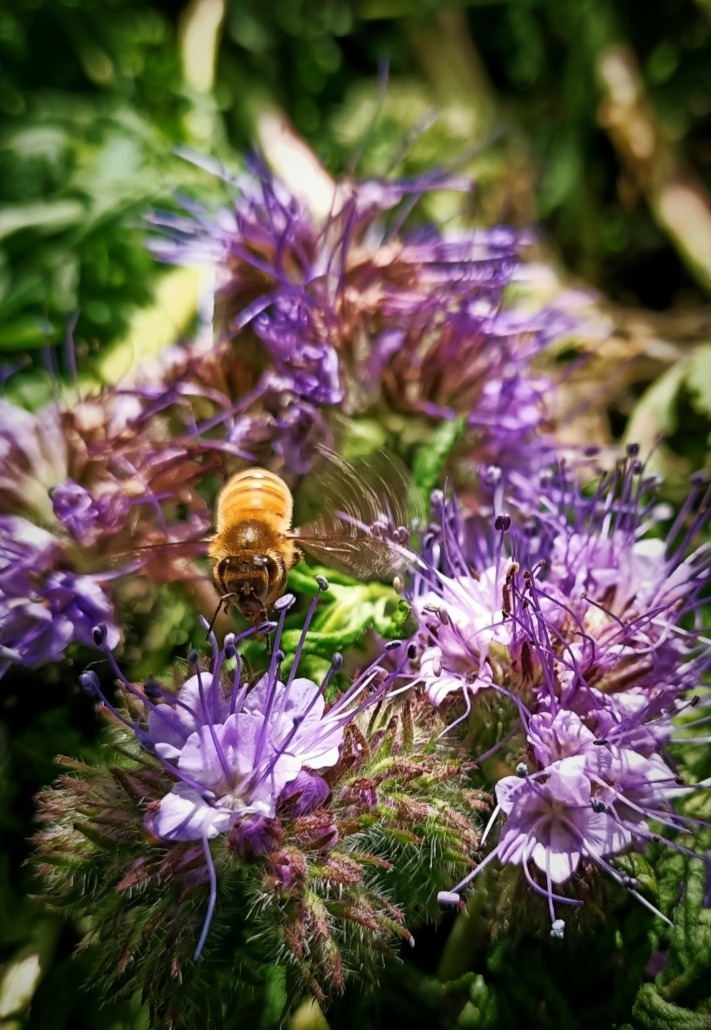
The farmer saw a treatment. The supplier saw a market. The regulator saw a pathway. The Minister saw growth. The paddock saw a fog settle on its skin.

We do not speak in quarterly returns.

We speak in hatchings, germinations, moults, root hairs, spawning, coughing, composting, mauri and the slow inheritance of residues.

What is temporary to a permit may be permanent to a stream. What is negligible to a model may be everything to a mayfly. What is ‘acceptable exposure’ to an adult may not be acceptable to a child, an embryo, a wetland, or a handful of living soil.

The farmer may gain this season. The grass may stand thicker. The invoice may be justified. But the paddock is not an isolated factory floor. It is connected: to field drains, lungs, gardens, milk, birds, rain, worms, neighbours, memory, and whakapapa.

  • We ask for a law that hears the quiet witnesses before the loudest applicant.
  • We ask that novelty not be mistaken for progress.
  • We ask that profit not be allowed to outrun proof.
  • We ask that soil be treated not as a surface to be managed, but as a living community with its own right to caution, to abundance.

For once a substance has crossed the fence, entered the ditch, touched the root, settled in the silt, or moved through the body of a child, the question is no longer whether approval was efficient. The question is who was made to carry the cost.

This is kaitiakitanga.

The Soil Act — the shortest and most important act for the environment. Clause 1. No person shall do anything to harm the soil. The end.
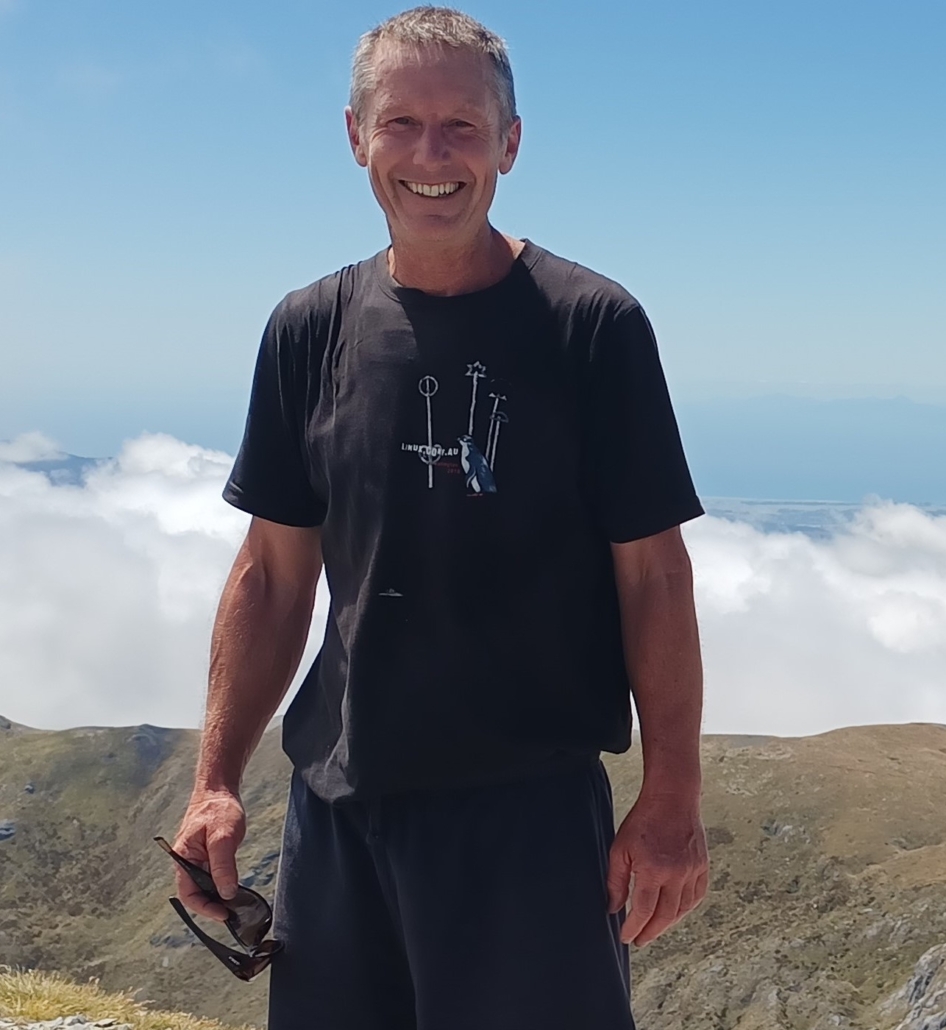

David McNeill is a member of Soil & Health’s National Council, its treasurer, and is a Soil & Health appointee on the board of BioGro NZ.

The image at the top is a concept image, which David created using AI.

We acknowledge that the rules for pesticide application would not allow this exact scenario to take place, due to requirements for buffer zones, protective clothing etc.

However the rules governing agrichemicals are not strong enough to protect public and environmental health, and these rules are sometimes broken.


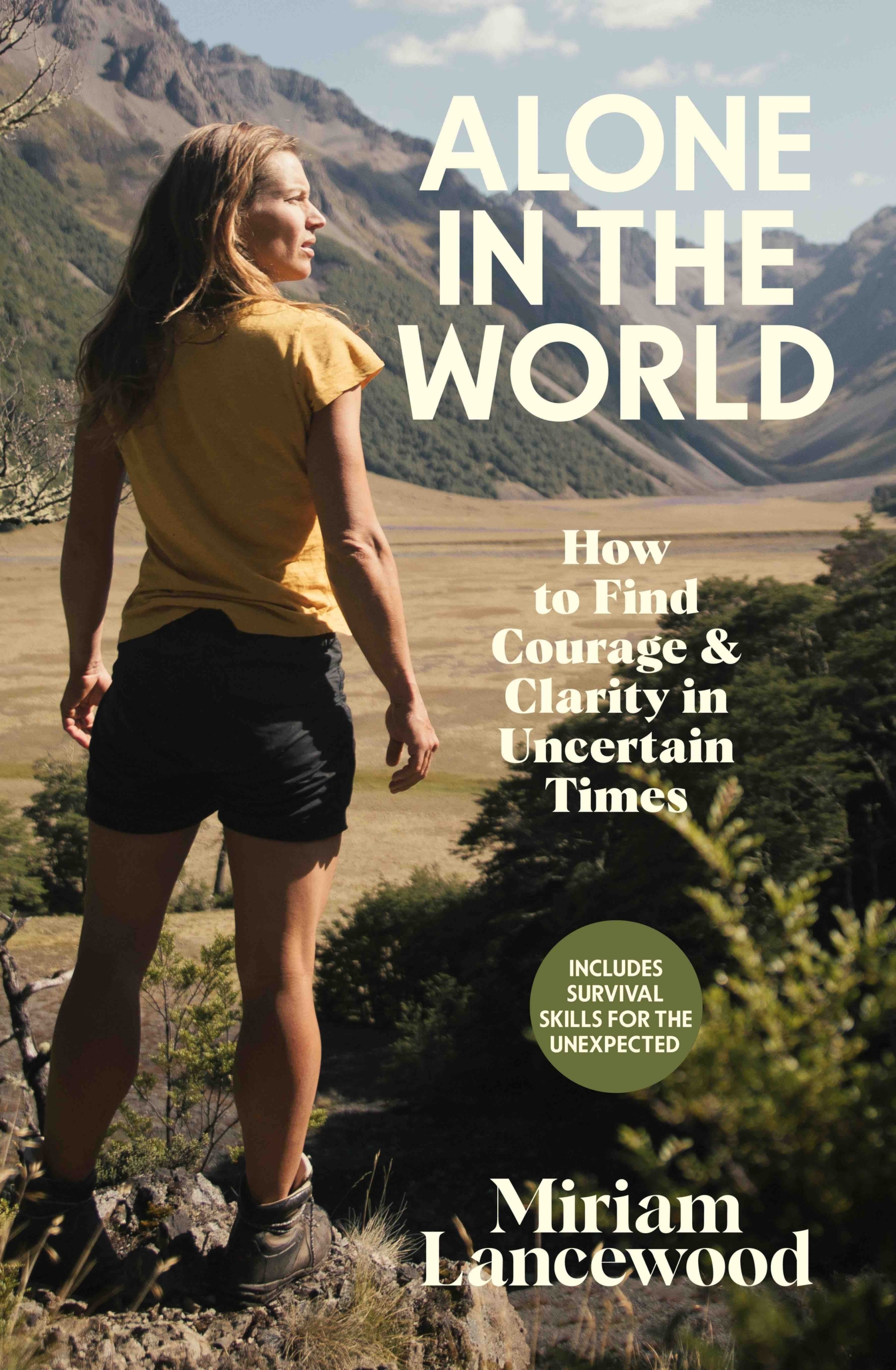
Alone in the world

By Miriam Lancewood

After years in Aotearoa New Zealand’s wilderness, Miriam Lancewood sets off to Bulgaria, the Himalayas, India, Turkey, Tajikistan and Kyrgyzstan.

In Alone in the World, her third book, she describes how she hitchhikes to remote locations, camps in the wild, fights off bears and unwanted men, climbs mountains and survives by eating from the land and living by her wits.

This inspiring story also includes practical advice for preparing for the unexpected, living without modern conveniences, and lists of expedition gear and food.

Images and text from Alone in the World: How to find courage and clarity in uncertain times by Miriam Lancewood. Allen & Unwin, RRP $37.99.

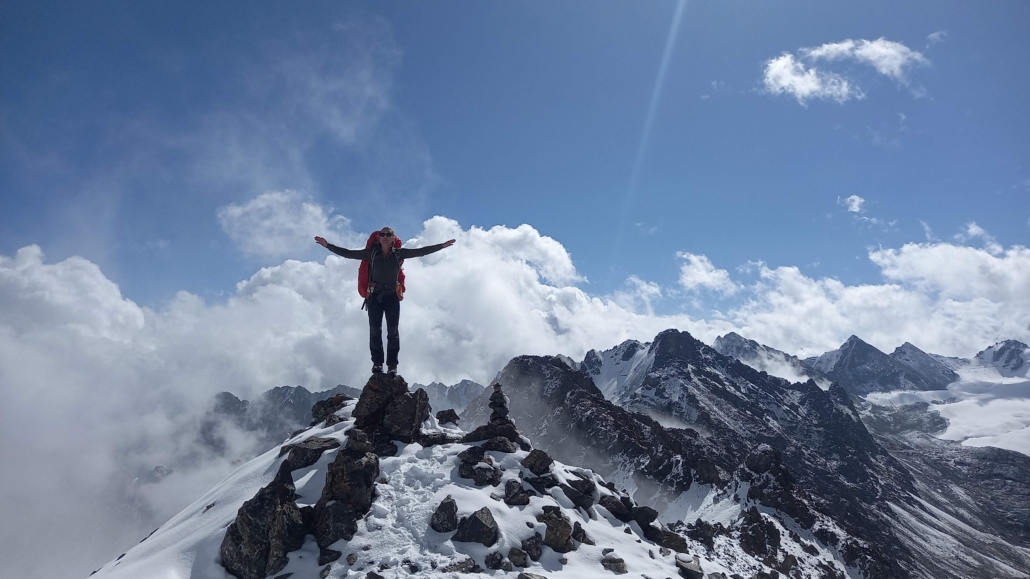
ABOVE: Cover image of Alone in the World, and on top of the 4000-metre pass in Kyrgyzstan

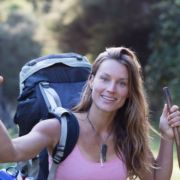
TOP PHOTO: Miriam Lancewood with sticks – photo: Lottie Hedley

We hope you enjoy this free article from OrganicNZJoin us to access more, exclusive member-only content

I walked into virgin forest – it had never been logged. The difference to regenerating forest was striking – these trees were tall and ancient, and the atmosphere felt calm, almost serene. The air was filled with the chirping of bellbirds, and the beech trees stood proudly, their ancient trunks exuding a sense of dignity and timelessness.

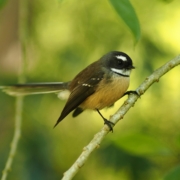
Above the evergreen canopy was a bright blue sky, and the sun lit up cheerful patches on the ground. Fantails fluttered behind me wherever I went. Every now and then a curious robin dropped out of the sky to see what I was up to. Then I arrived in an open clearing and saw the Dragons Teeth. The sight both scared me and fired me up.

“Hello, Dragon, I’m coming!” I said out loud.

I laughed, hearing my own voice.

After some hours walking up the river I began to look for suitable goat country. I know these creatures well. In my bow-hunting years I became very familiar with goats by observing them almost every day. I had studied their routines, habits and patterns. I know they prefer dry, sunny places. The old male loves to sit on a lookout point to guard his harem. They like to sleep under an overhang. Goats have their own trails, which are well trodden, but sometimes they will cross near-vertical rock faces, making it hard for us two-footers to follow.

In the afternoon I found a peaceful clearing with lush grass on the banks of a stream. I was delighted to hear the ‘whio’ whistling sound of the rarely encountered blue duck. I heard the male’s warning call before I saw the dark blue waterfowls. The pair glided swiftly and elegantly over the water, diving here and there, before eventually disappearing down the fast-flowing river.

I ate some dandelion and chickweed leaves and waited for the goats with the sun on my back and the wind in my face. I knew I was in goat country because I saw their recent poo. I could almost smell their presence – yet I saw nothing.

On my third day without food I gradually became more hungry. The hunger pangs came in two-hourly intervals.

My solution was to put in more effort. I scouted the whole valley, roamed the side creeks, combed through every bit of bush. No goats.

But I burnt a lot of calories looking for them. I was so hungry I began breathing exercises, which made my tummy feel full – albeit for short moments. Drinking lots of water and clover tea filled the stomach but didn’t give me more energy.

Munching on edible plants, like sorrel and the tips of supplejack, seemed only to remind my stomach that more should be coming, which made me even more hungry.

That afternoon I heard a rustling through the leaf litter. It sounded exactly like a small goat that was obviously not trying to be quiet. Surprisingly, the noise seemed to come my way. I stopped in my tracks, placed the magazine in its chamber, and silently loaded a bullet. Ever so carefully I turned around, scanning the forest for the creature that approached so boldly. It sounded really close now.

There it was! Alas, a weka!

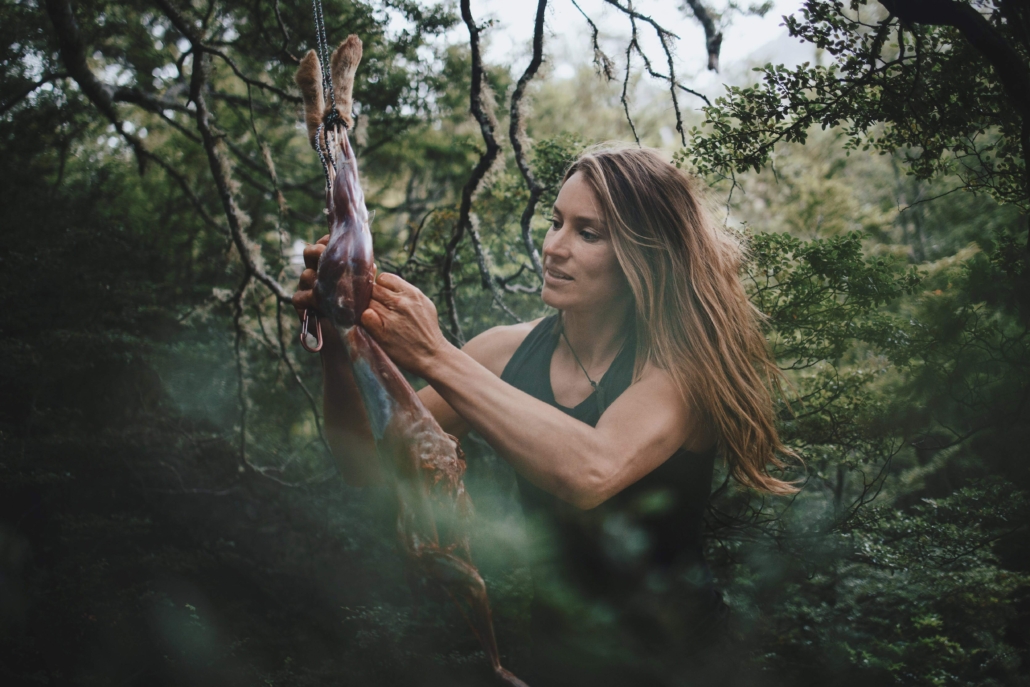
Above: Miriam’s last summer in the wilderness in New Zealand – skinning a hare at our camp in Rainbow Valley, Marlborough. Photo: John Bozinov


Alone in the World: How to find courage and clarity in uncertain times, by Miriam Lancewood