How can we best celebrate our great growers this organic week?
What to eat during Organic Week? Hopefully, we will consume local organic and biodynamic products. Even better, we will consume products rich in nutrients and phytochemicals such as phenols and antioxidants, beneficial to our health and well-being. And even better, we will choose to eat, drink, wear and use such wholesome goodies every day, everywhere.
Sustainable growing systems – organics and biodynamics – do influence the quality of food, drink and fibre produced. Grown well, these products can benefit us in so many ways.
At a global level, a recent study by the Food System Economic Commission, in association with the University of Oxford and London School of Economics, concluded that existing “conventional” food systems destroy more value than they create. For the first time, the value of a move to sustainable food systems has been quantified. It comes in at US$10 trillion of benefits a year, including reduced production costs and better health and environmental outcomes.
The study proposes moving away from tax breaks and subsidies for large-scale monocultures that rely on fertilisers, pesticides and clearance. Instead, smaller, sustainable units with wildlife can turn economic production into carbon sinks.
Current food production is the largest contributor to biodiversity decline, freshwater breakdown, one third of global greenhouse gas emissions, growing food insecurity, and to adverse health outcomes.
“Changing the way we produce and consume food will be critical to tackling climate change, protecting biodiversity, and building a better future. It’s time for radical change,” according to Nicholas Stern, chair of the Grantham Research Institute on Climate Change and the Environment at the London School of Economics.
This and other studies also conclude that the “radical change” is neither too expensive nor too difficult to achieve in the relative short term. It is clearer every week the choices we need to make to growing systems and policies to produce the necessary medical and environmental outcomes we increasingly need. And Aotearoa can help lead this change.
Recently, the Kete Ora Trust, a sponsor of Organic Week, funded an extensive first stage study by Plant & Food Research examining links between growing systems and nutrient dense food. Kete Ora Trust funds research and education to promote biodynamic and organic land use.
Food nutrient density has declined rapidly since the 1940s due to agriculture practices and applications. It now takes more conventional food to produce the same amount of nutrients from the same food consumed by our forebears.
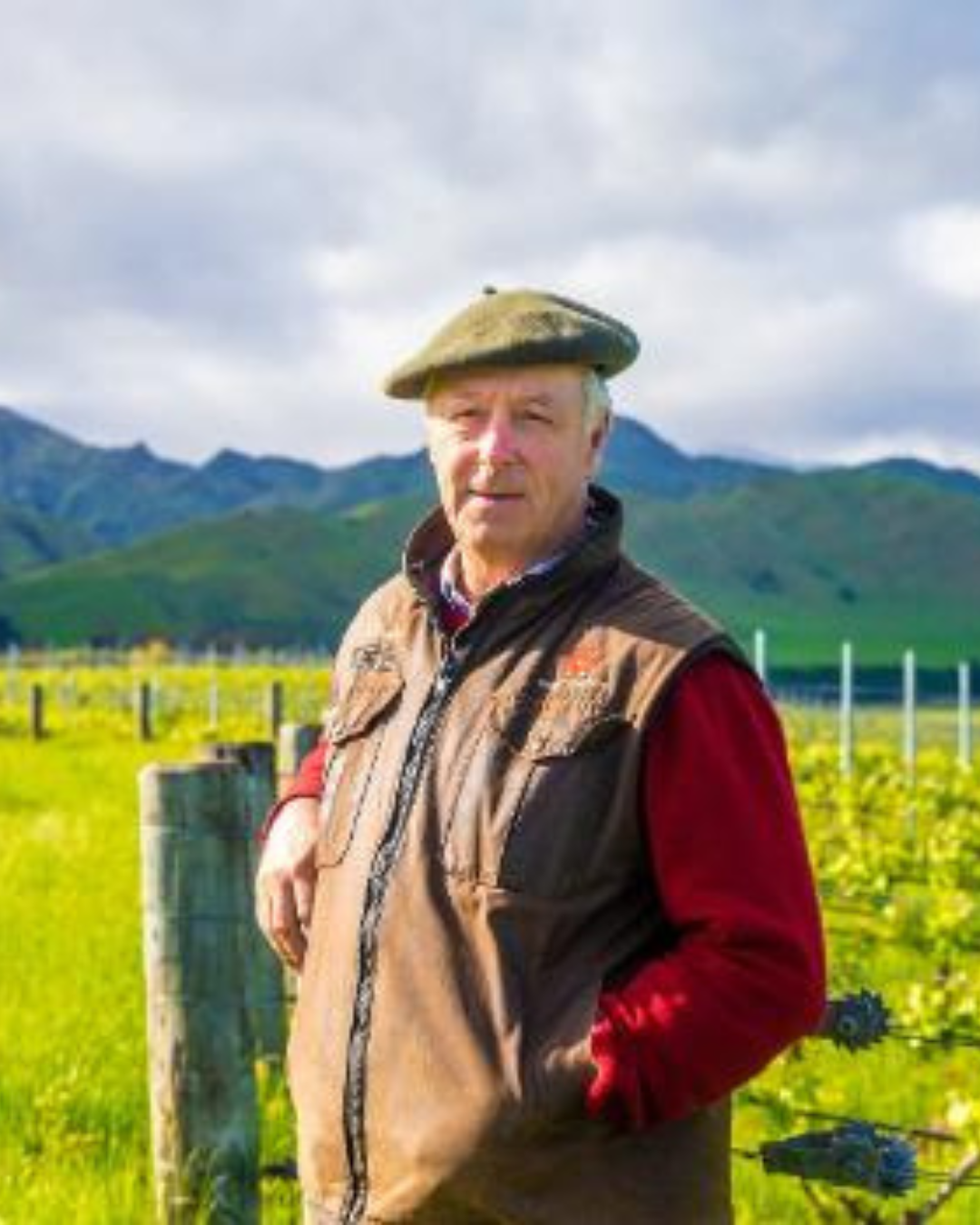
”biodynamic and organic can improve not only soil and human health, but also produce positive environmental and net economic gains for growers and consumers. This is a quadruple win for people and the planet.” – Sam Weaver
Chair of the Kete Ora Trust, Sam Weaver says there is strong evidence that sustainable growing systems have real advantages over conventional systems to produce food and drink rich in certain minerals and phytochemicals, beneficial to our health.
“More sward diversity and healthy growing means more soil life and more soil nutrients available to plants and therefore to animals and humans,” says Sam.
“We have seeded a study that offers other sponsors the chance to demonstrate that biodynamic and organic growing systems and products can improve not only soil and human health, but also produce positive environmental and net economic gains for growers and consumers. This is a quadruple win for people and the planet.”
Sam Weaver added that as a wine grower and producer he is greatly encouraged by research showing biodynamic wine growing produces more beneficial phenolic compounds in wine, compared to conventional growers. The same outcome is achieved from organic and biodynamic olive and other production. Phenolic compounds can reduce oxidation that helps prevent disease in cells and organs.
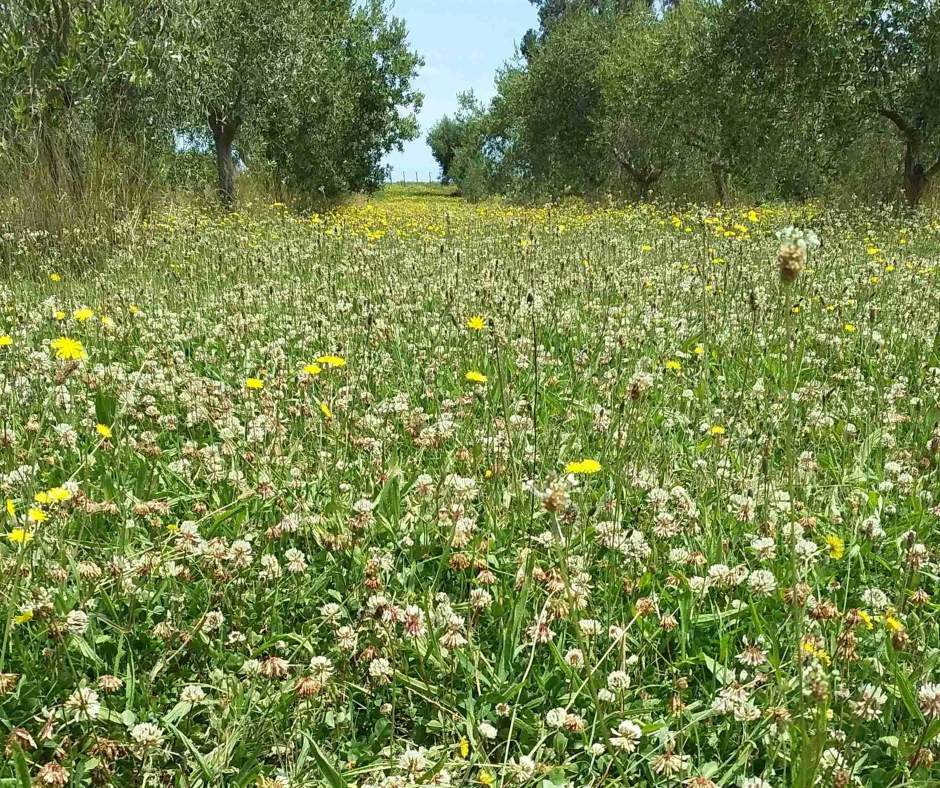
Further stages of the Kete Ora Trust initiated research will add to mounting evidence that organic and biodynamic management systems produce the healthiest products from lower inputs, improved biological processes, low/no contamination and greater species diversity.
“The evidence is either there or nearly there. The need is palpable. The Kete Ora Trust is inviting other funders to join us to enable food production to move to a healthier level. As we celebrate Organic Week, let’s continue in the knowledge that each one of us, this country, and the world can greatly benefit from organic and biodynamic production.”
Find out more about Organic Week proud silver sponsor, Kete Ora Trust: