Moon Calendar September-October 2026
Moon Calendar – Growing kūmara from tipu
By Monique Macfarlane
One of the most satisfying elements of being with the land is learning new tasks, and folding them in in their entirety over the seasons. We have been growing kūmara on our block for a number of years now, but last year was the first time I grew our own tipu (slips).
Coming to harvest our kūmara crop at the end of summer was an absolute joy – that the whole process was now within the rhythm of our farm. And now, as the seasons change, and we roll through the cycles again, there is a warmth in the activities as we learn and grow with them.
To grow your own tipu, choose good-sized, healthy and well cured kūmara. I fill a wooden box with a mix of 70% river sand and 30% good compost – positioning the kūmara within so they are two thirds from the bottom, and a third from the top. Place the box in a very warm sunny spot, or use a heat pad.
Lightly water every few days to keep the sand moist, but not wet. In time you will see the tipu emerge. I wait till they are about 12–15cm high, then gently tug them while placing a firm hand on the sand (to keep the kūmara in place underneath, as they will grow more tipu). I then put groups of tipu in glass jars with rainwater and a little seaweed, to ensure the roots are well established.
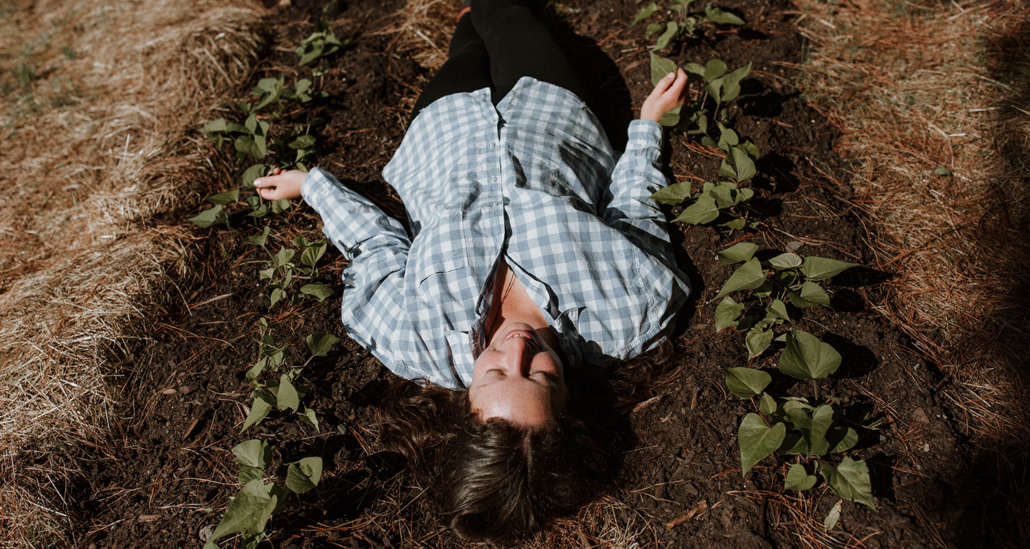
When planting out in the garden, make a furrow with your hand and place two thirds of the tipu along the soil, and then with a slight bend leave the top few leaves poking out. Cover with soil.
I have found in my years of teaching workshops that a step often is missed in the growing season. When the tipu foliage starts to run across the top of the soil, lift the runners up so they do not root into the ground. We use cardboard to cover between the rows, and then drape the runners back down. This ensures that the kūmara is formed under the mother tipu. Happy growing!
The following content is only available to logged-in members – log in here. Not a member? Join us to gain access to a wide range of content.
Monique Macfarlane is a holistic food systems facilitator, teaching biodynamics, planting by the moon, no-dig food growing and self-sufficiency. See www.natural-wisdom.net
Monique co-creates with organic, biodynamic, regenerative, no-till, and natural principles on eight hectares in Waihi that includes a small market garden, orchard, pastoral grazing, chickens and agroforestry.
Images: Arina-Ulyasheva, VeraPetruk