Living Better, Together
The Cohousing Revolution
In an increasingly disconnected world, many people are seeking ways to live more closely with both the environment and one another. For Simone Woodland, a dream to create a different way of life led to the Tākaka Cohousing project in Golden Bay.
Hannah Schenker tells the story.
We hope you enjoy this free article from OrganicNZ. Join us to access more, exclusive member-only content
The birth of a dream
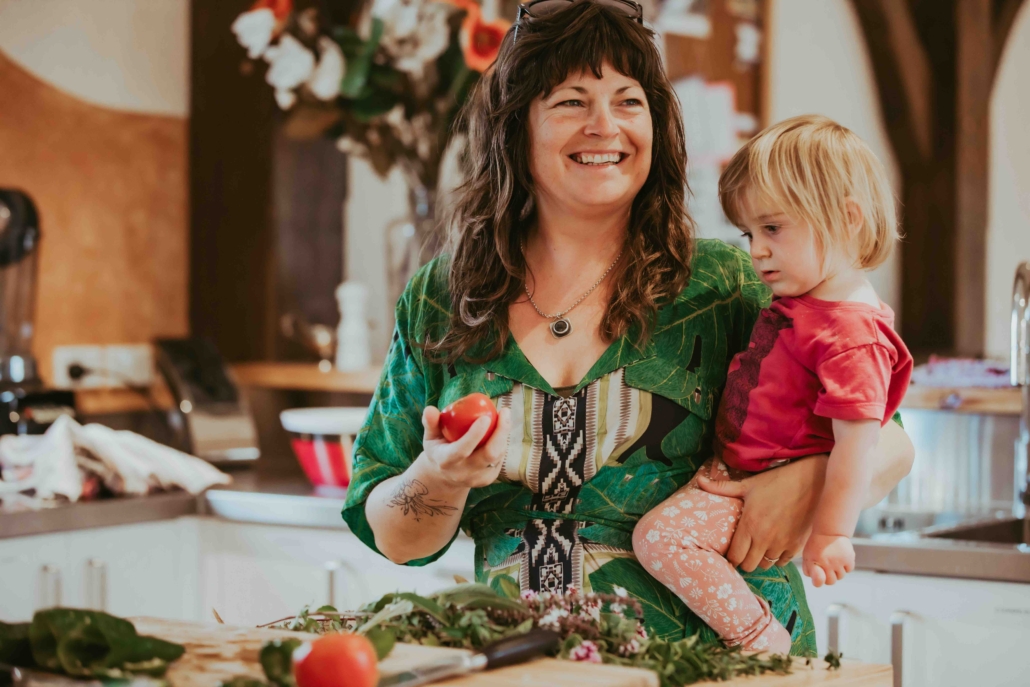
Simone Woodland’s dream began to take shape in 2017 when she applied to become an Edmund Hillary Fellow, and travelled to New Zealand. Driven to live more harmoniously with herself, others, and the land, she discovered cohousing. Her vision became clear: she could create a supportive community for her family to live in, while regenerating the land. From this seed, Tākaka Cohousing was born.
Originally from the UK, Simone trained in architecture and urban design before becoming disheartened by the industry and shifting to social entrepreneurship. In Aotearoa, she began exploring alternative, minimalist living through her early business Tiny Lifestyle.
Her passion for community building and sustainability deepened as she transformed this into another business, Elemental Design and Build, further honing her knowledge and interest in eco-conscious, natural construction. To bring her cohousing vision to life, she drew on these experiences and co-founded Mōhua Ventures, a housing development company owned by a charity, Te Hapori Hauora Community Land Trust.
But her love of community started much earlier. “When I was a kid, my dad hosted annual street parties in our little cul-de-sac,” says Simone. “It brought all of our neighbours together around a bonfire, sharing kai and doing silly things like three-legged races. It broke down barriers and we became friendly with our neighbours. He showed me that you can create community wherever you are.”
The benefits of cohousing
Cohousing offers a refreshing alternative to traditional suburban living. The concept originated in Denmark in the early 1970s and has since spread globally. It is a community-based housing model where individuals own private homes but share common spaces and facilities. It blends personal privacy with social connection, fostering collaboration, sustainability, and a supportive environment. Residents actively contribute to decision-making and community life, creating a stronger, more connected neighbourhood.
Loneliness is a growing issue in New Zealand, exacerbated by our individualistic society. A 2018 Stats NZ survey found over 650,000 New Zealanders experienced loneliness at least some of the time in the past four weeks. (https://loneliness.org.nz/nz/facts/many-kiwis-feel-lonely/).
Cohousing can help counteract that. Living in a close-knit neighbourhood opens up possibilities for interactions that foster personal growth, increasing the health and wellbeing of residents, promoting intergenerational connection.
Cohousing also offers environmental, social, and economic benefits. Sharing facilities reduces individual costs and space needs, while sharing green spaces means you don’t have to grow and tend everything on your own.
How Tākaka Cohousing works
Homes are sold at cost with individual unit titles, which banks recognise for mortgage approvals. Residents own their own home and the land directly beneath it, and a share of the common land and facilities, managed by a body corporate.
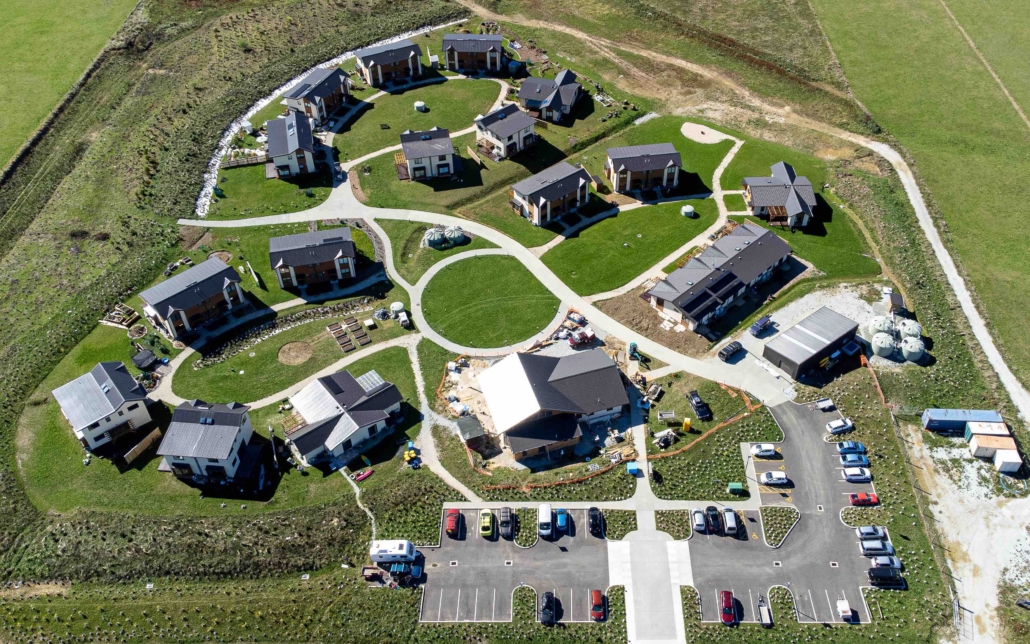
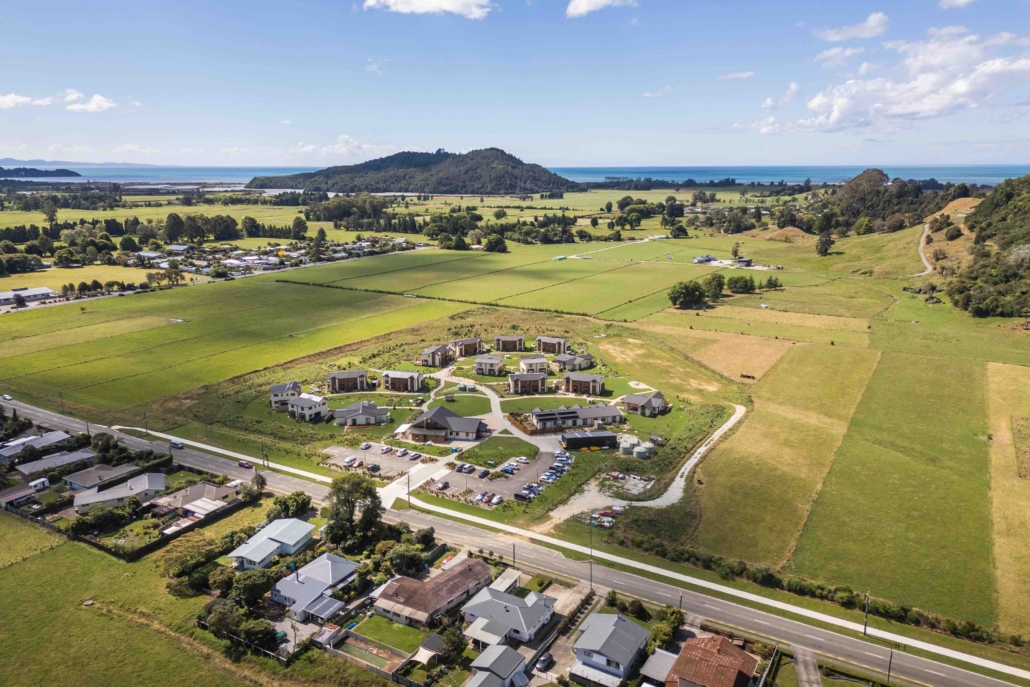
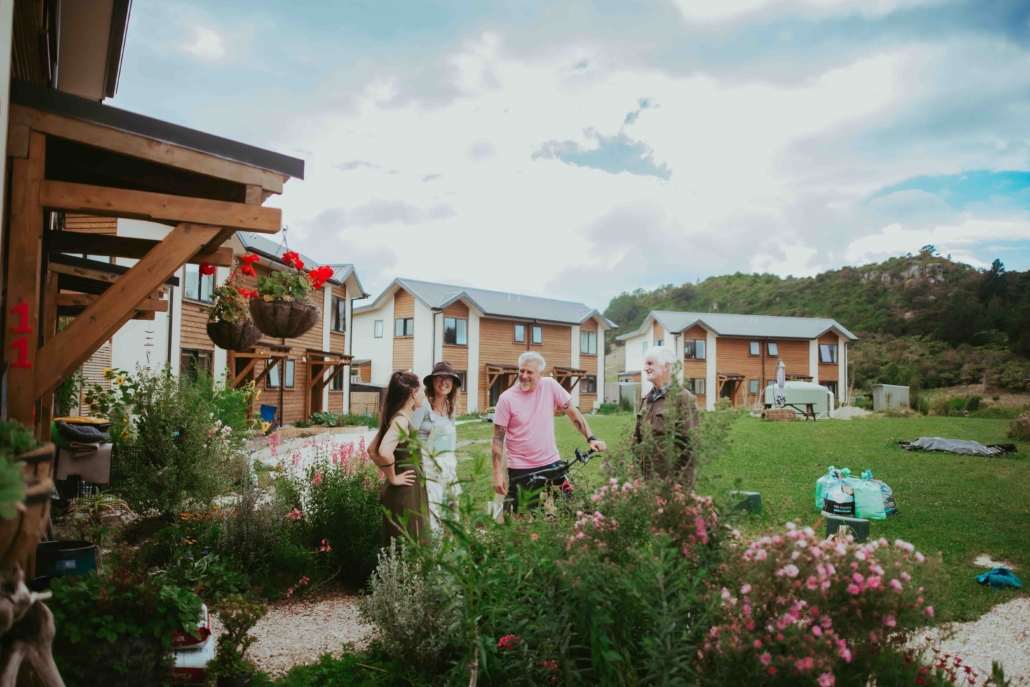
Architecture and urban planning principles are used to create a pedestrian-friendly layout, with car parking kept to the outside of the neighbourhood. The physical design promotes social interaction in “bump spaces”, allowing spontaneous interactions to occur in daily life. This means you don’t always have to pre-arrange catch-ups and cuppas and diarise everything – it happens quite naturally.
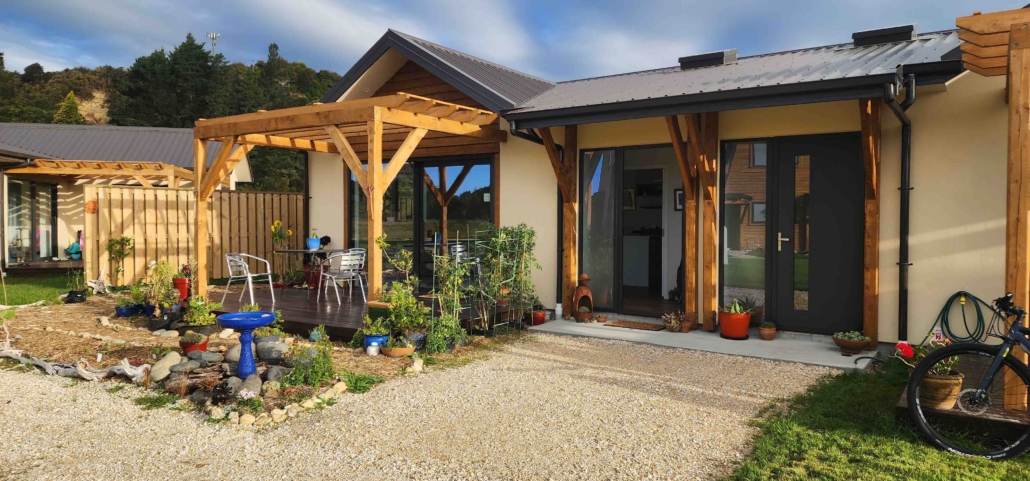
The first neighbourhood has 34 fully occupied duplex homes, with a mix of single and double-storey two- and three-bedroom layouts. Two more neighbourhoods are planned for construction in 2026 and 2027, with a similar mix of options now open for expressions of interest.
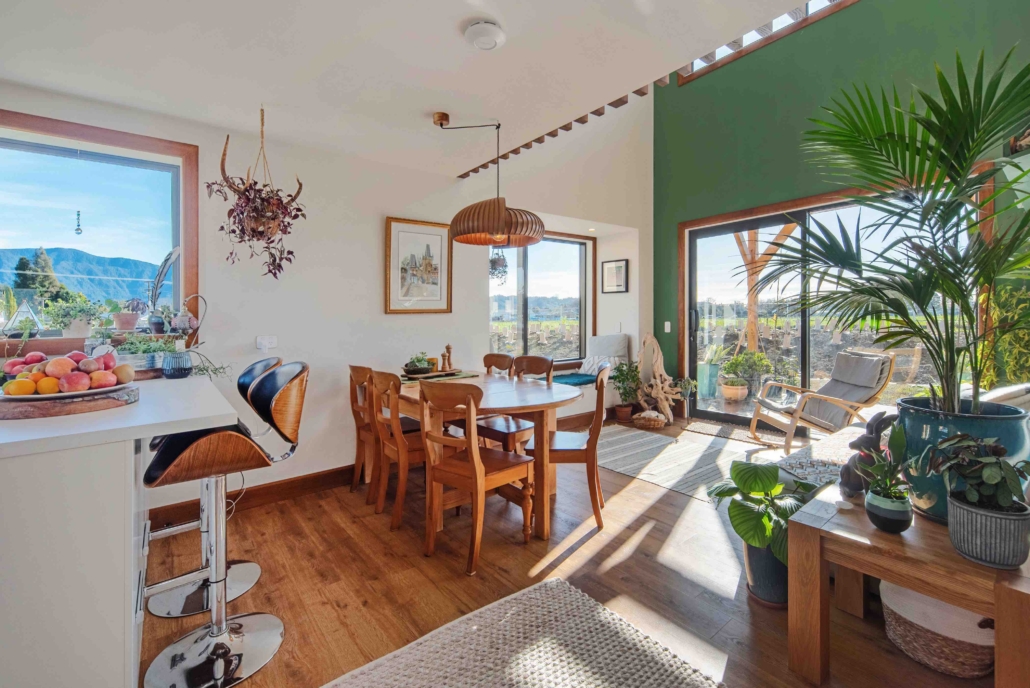
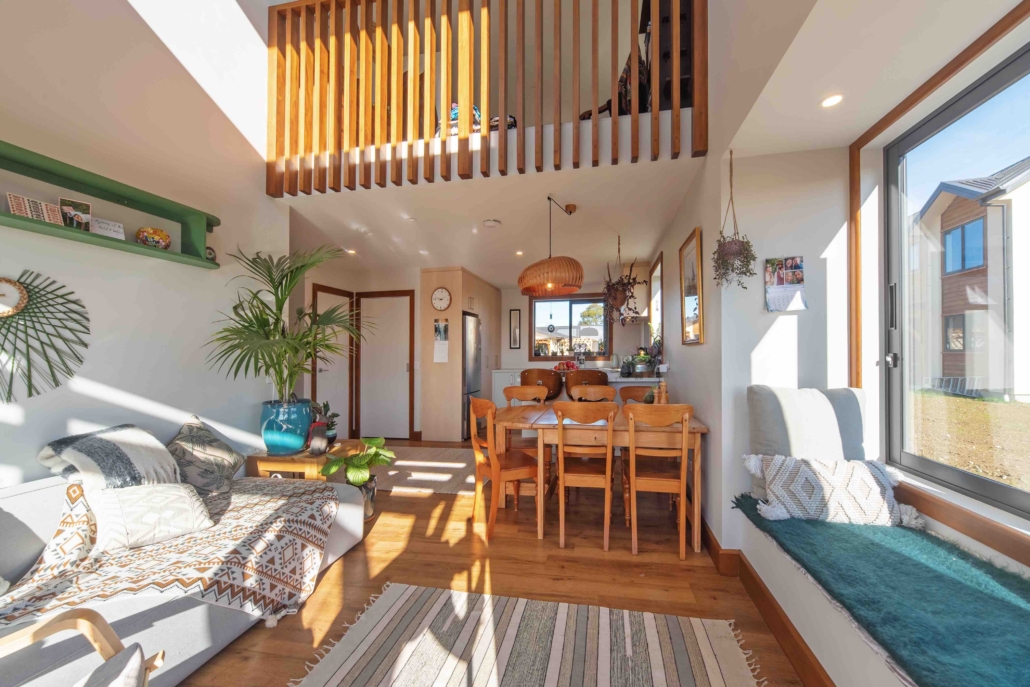
Right – Interior showing dining and living area
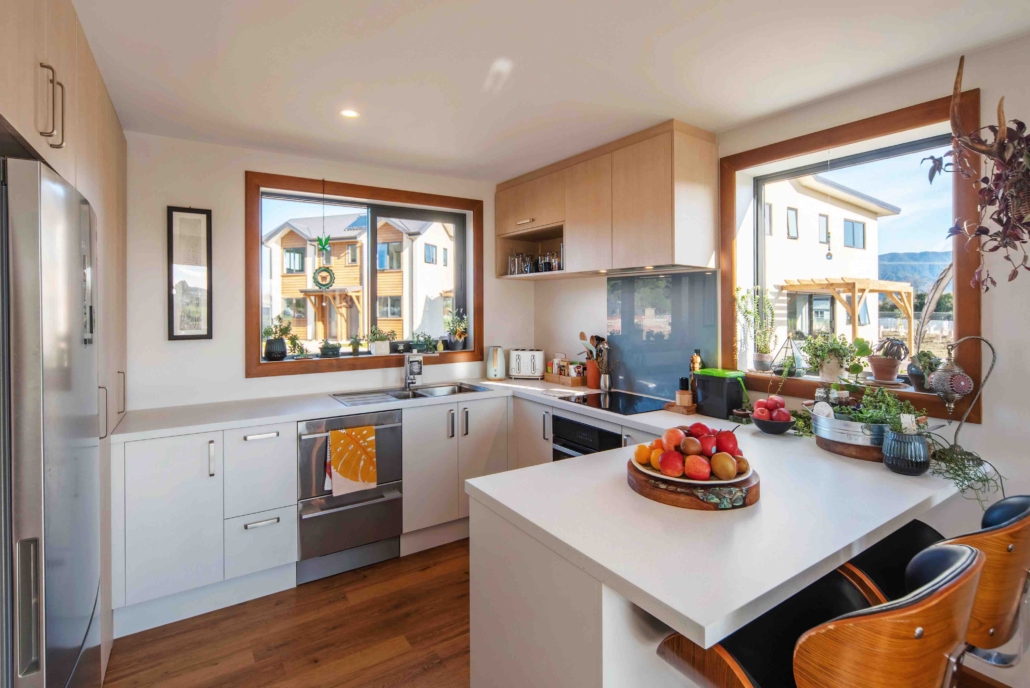
Right – Kitchen
Recipe for success
A big part of why Tākaka Cohousing has succeeded is Simone’s approach of creating a dedicated company to drive the project forward. Rather than relying on a group of peers to navigate the complexities of development – something that often leads to slow progress or burnout – she founded Mōhua Ventures, a company with the experience and knowledge needed to deliver the vision.
Through the company, she is able to maintain the momentum of the project, while being a resident herself gives her firsthand experience of what works and what can be improved as the development grows.
The project is currently entering its second phase, with two further 18-home cohousing neighbourhoods to be built on the remaining land along Meihana Street, near Tākaka township. Seven hectares of land surrounding the neighbourhoods will be regenerated into publicly accessible parkland through a community land trust.
Spotlight on sustainability
The duplexes at Tākaka Cohousing feature Terra Lana insulation made from recycled sheep’s wool, thicker walls to increase insulation, concrete floors for added thermal mass, and non-toxic paint from The Natural Paint Co. “The health of the whānau living in our homes is our top priority,” says Simone. “It’s about creating spaces that are not just energy-efficient but truly healthy to live in—warm, dry, and well-insulated.”
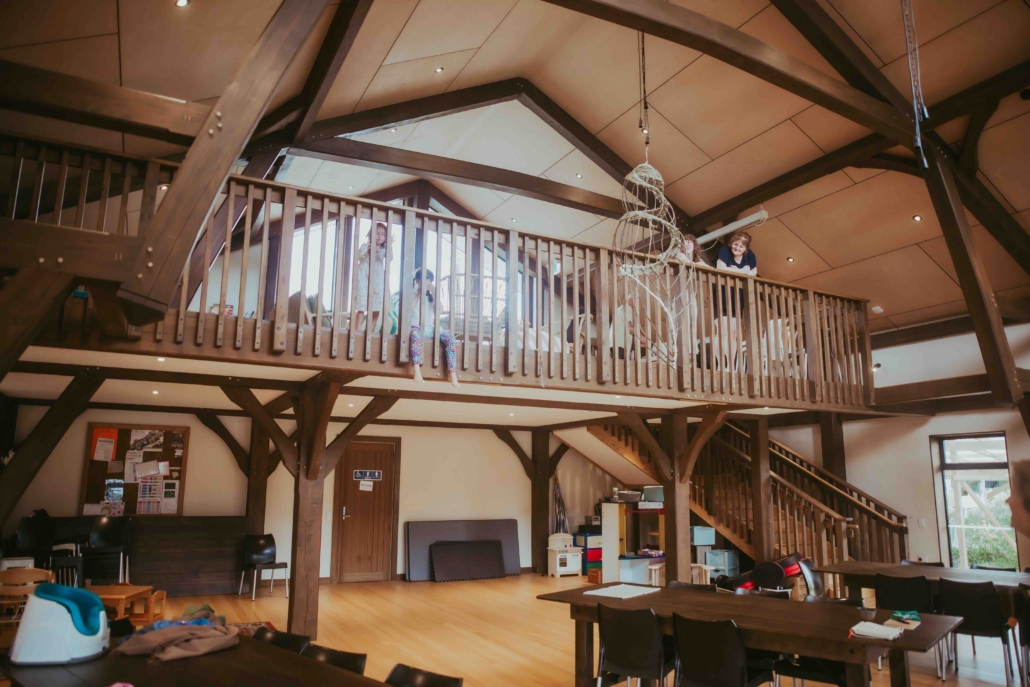
The Common House was built by Elemental Design and Build, guided by Graeme Scott’s passion for traditional timber framing. This off-grid natural build was crafted using untreated, non-toxic and sustainably sourced heartwood lusitanica (Cupressus lustitanica – related to macrocarpa) for the framing, staircase, railings and balustrade, and a couple of extra-long pieces of macrocarpa heartwood for framing, all stained with Osmo natural wood stain.
All of the wood was milled on site, keeping transport and carbon footprint to a minimum, and its natural non-toxic qualities preserve the health and wellbeing of the builders and contractors during construction, and the residents who use the space. Eucalyptus was sourced from Riwaka for flooring, skirting and architraves. Inside the walls is regular H1.2 boron-treated timber. The external weatherboards are macrocarpa (not milled on site, sourced from Totally Timber, and stained with a natural oil stain).
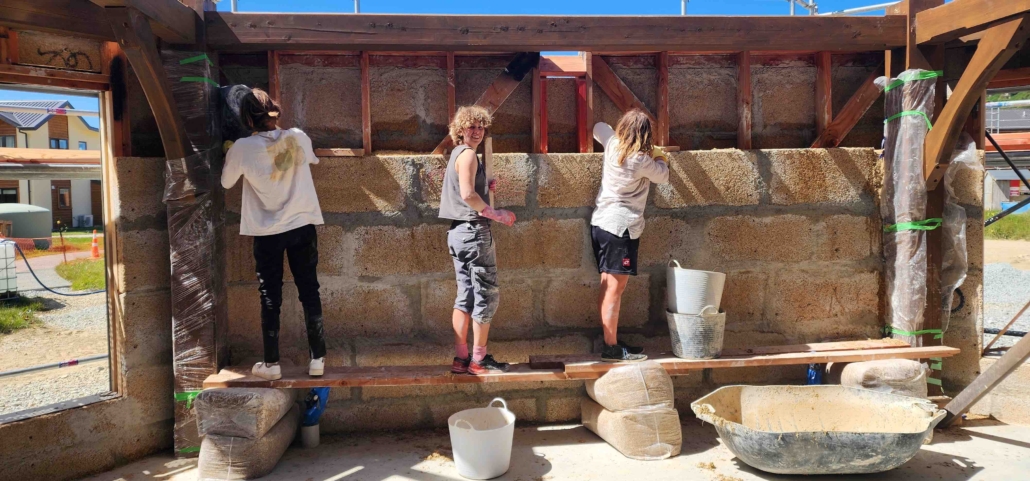
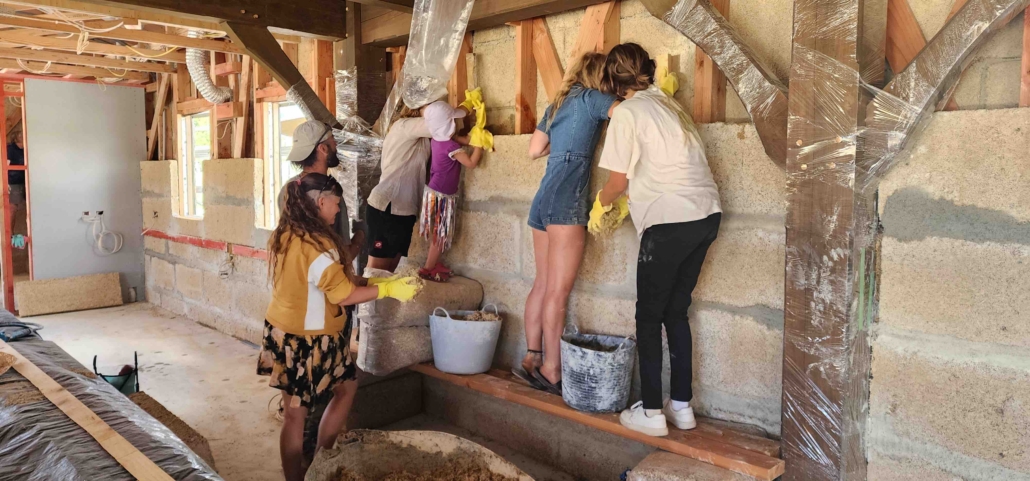
The walls are made using hempcrete panels, manufactured by Kohu Hemp using their own formula of hemp hurd and hydrated lime, and coated in lime plaster by Solid Earth. Hemp is a crop that enhances soil health, and grows in just three months. It creates a breathable, natural product with high insulation values. Hempcrete sequesters carbon dioxide for 50 years.
Additionally, the project acknowledges the importance of mana whenua (local iwi) as kaitiaki (guardians), integrating cultural connections into its development. Mōhua Ventures is owned by Te Hapori Hauora, Mōhua Community Land Trust – a registered charity.
Te Hapori Hauora governs the land surrounding the cohousing neighbourhoods and has a tripartite structure, with representatives from mana whenua, the cohousing neighbourhood, and the wider Mōhua (Golden Bay) community. The Trust is planning to create a publicly accessible parkland and community facilities on the land surrounding the cohousing neighbourhood, regenerating the whenua for generations to come.
Cohousing in Aotearoa NZ
Cohousing in Aotearoa is still finding its feet, but the momentum is growing as more people realise the benefits of living in community. Pioneering projects like Earthsong (32 terrace homes and apartments in Auckland) and Toiora (21 passive homes in Dunedin) have shown what’s possible, but many other initiatives still struggle with the usual roadblocks – funding, land access, and red tape. Despite these challenges, the desire for a more connected, sustainable way of living is stronger than ever.
“We are now expanding our horizons to support other communities with their plans to create sustainable, alternative housing solutions,” Simone says. Mōhua Ventures has an experienced, professional team that can help with understanding project feasibility, project management, and community building. “We would love to hear from other communities we can support.”
Who lives here?
Residents come from diverse backgrounds and life stages. For Kirsty and Duane, the desire to explore alternative education for their two children led them to cohousing. Recognising the need for community support in their unschooling and life learning approach, they found Tākaka Cohousing to be the perfect fit. “We all live such a rich life,” says Kirsty, highlighting the benefits of a safe, supportive environment where children thrive and connect with people of all ages.
“The kids are constantly playing with their friends, are safe to walk, bike ride, and run around the neighbourhood without any worries about cars,” she says. “They’re learning and connecting with everyone all the time and have developed some amazing friendships, not just with the other children, but also other adults, while gardening or attending working bees. Their contribution is valued, and their opinion is considered.”
For some, the location is the biggest drawcard. Golden Bay is known for its beautiful landscapes bordered by two National Parks, for the sacred waters of Waikoropupū Springs, and its friendly and creative community.
“It’s the ease of access,” says resident Mazarine Fitzgerald, “to be able to connect with yourself, and nature, and the land.” For her, what makes Tākaka so special is also the “sense of community, real friendship and belonging, and all the wholesome events that happen here.”
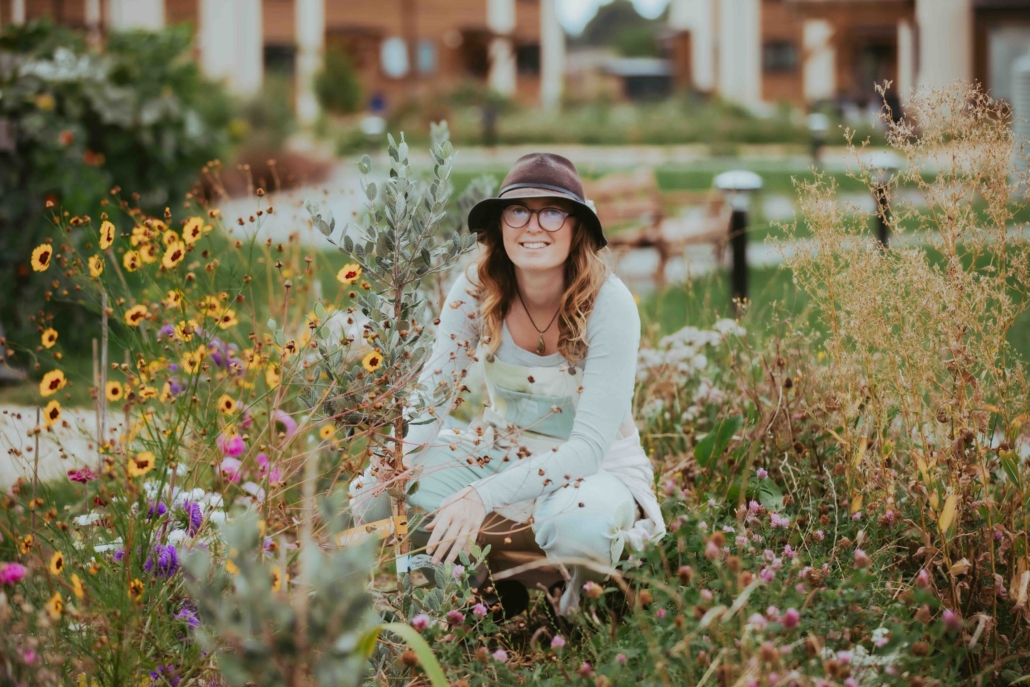
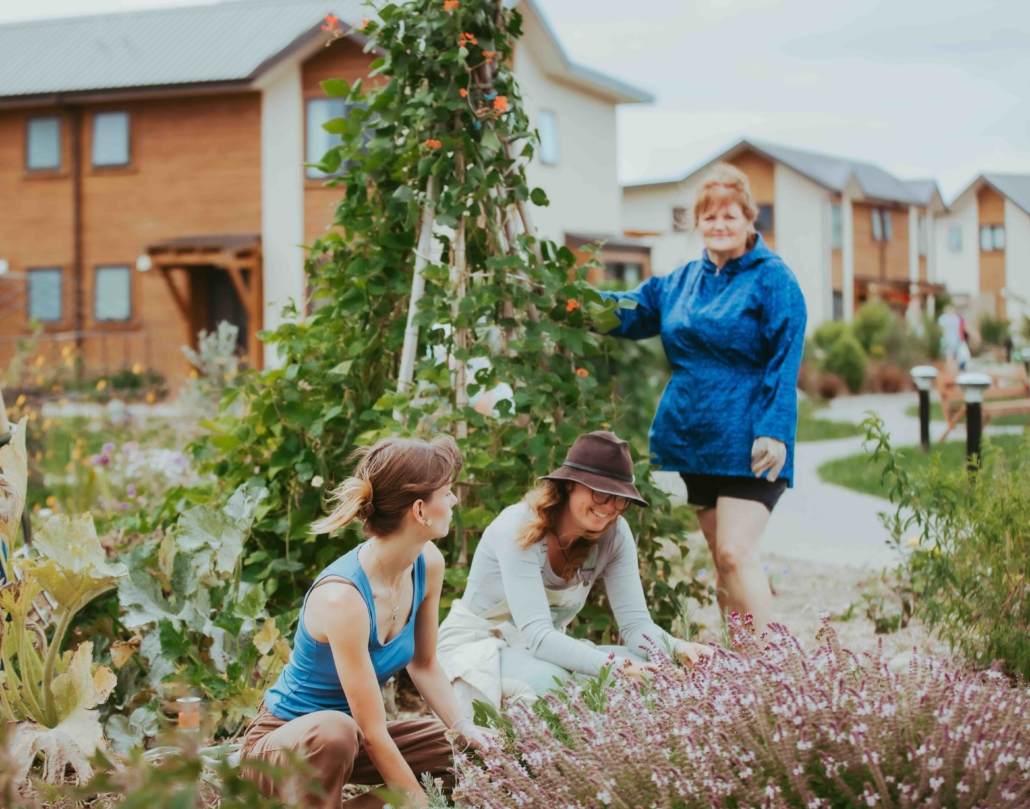
ABOVE: Residents Mazarine Fitzgerald (left) and Kate Burness (right)
Shared facilities and gardens
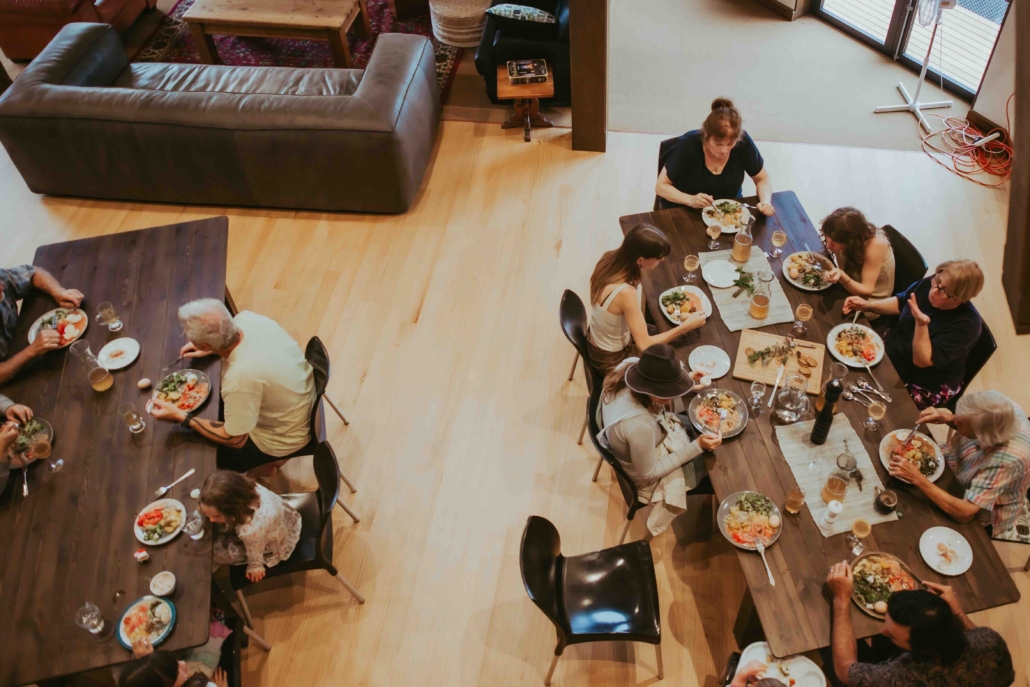
The Common House is central to community life, hosting everything from social gatherings to morning dance sessions. It offers shared laundry facilities, a meeting space, kitchen, extra storage, a bedroom for guests, and hosts monthly meetings and potluck dinners.
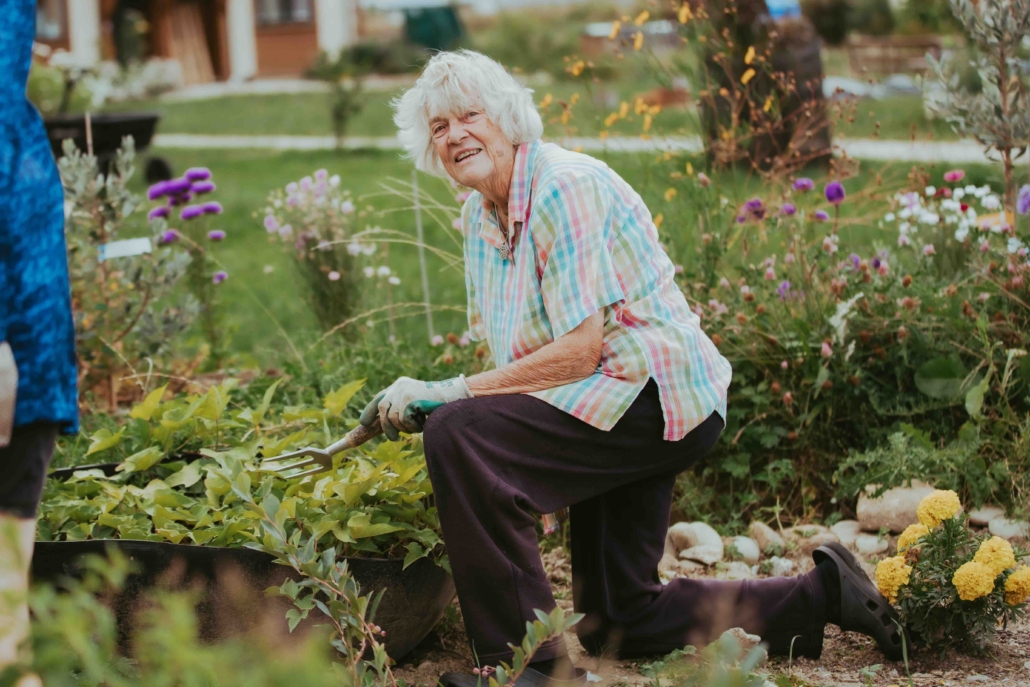
Gardens are another shared resource, allowing residents to grow and share produce, and reduce their reliance on external sources. “We get together for working bees, we plant, weed, and harvest food,” says Simone. “I love it because I’m learning so much about gardening. Doing it together lightens the load and benefits more than just yourselves, and the kids are growing up knowing where yummy fresh food comes from.”
Tākaka Cohousing is more than just a housing development – it’s a community that embodies the values of connection, collaboration, and environmental stewardship. For Simone and many others, it represents a new way of living that aligns with their principles and their vision for a better future. With its blend of shared resources, healthy homes, and a supportive social dynamic, Tākaka Cohousing is proving that the future doesn’t have to be a solo journey – it can be a shared experience.