Small, sweet, and mighty
Nourishing new potatoes
Nutritional therapist Paula Sharp enthuses about the nutrition and flavour of the humble potato when in its seasonal ‘new’ incarnation, and shares a delicious potato salad recipe.
We hope you enjoy this free article from OrganicNZ. Join us to access more, exclusive member-only content
There’s something joyful about the arrival of new potatoes. Their appearance marks the shift into early summer — that moment when gardens start to speed up, days stretch out, and meals feel lighter, fresher, and closer to the earth. In New Zealand, new potatoes sit in a special place in our food culture: early‐season, delicate, full of flavour, and a perfect fit for our festive tables.
From an organic perspective, they’re a beautiful example of how nutrient density, flavour, and sustainable farming intersect. Grown without synthetic fertilisers or pesticides, organic new potatoes offer us a clean, wholesome staple that supports soil health, biodiversity, and local growers, while delivering exceptional nutrition on the plate.
What makes a potato new?
‘New’ potatoes are planted and harvested earlier than main-crop potatoes, usually from late October through to early January, depending on region and soil warmth.
Rather than being cured like storage potatoes, they come straight to market with paper-thin skins and a moisture-rich interior. This is why they cook quickly, hold their shape well in salads, and have that signature creamy, subtly sweet flavour.
Their fragile skins are more than just a culinary bonus; they retain more vitamins and minerals compared with older, stored potatoes. Their freshness window is short, so in season matters.
New potatoes are more than an ingredient, in my opinion, they’re a story of soil, sustainability, and nourishment.
As we move into the festive season and the height of our growing year, they invite us to slow down, eat seasonally, and reconnect with the land beneath our food.
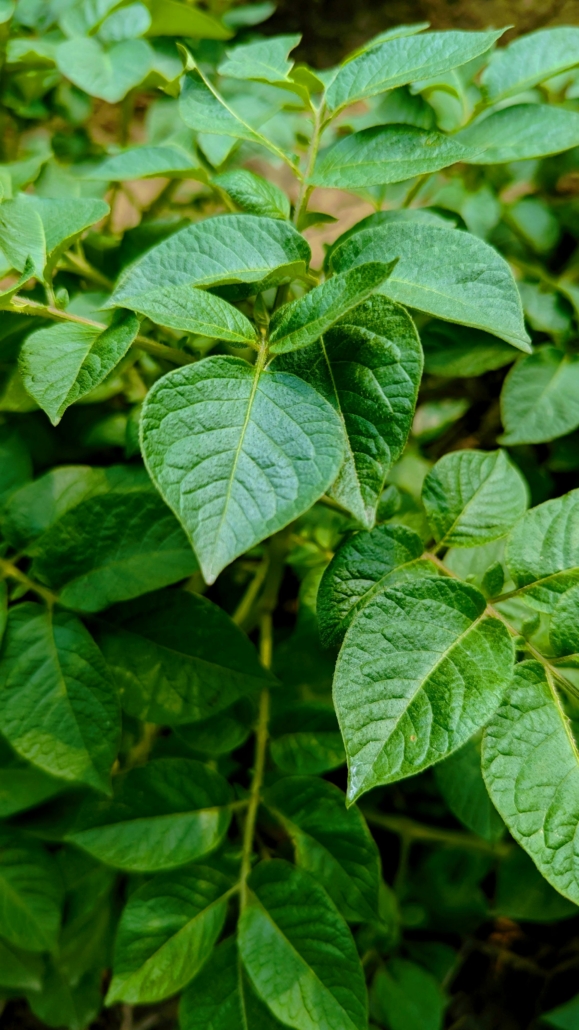
Photo: Potato foliage, by Anik Hasan, Pexels
Growing new potatoes in early summer
Across the Bay of Plenty, Pukekohe, Northland, Hawke’s Bay, North Otago and other temperate climates, new potatoes thrive in warm soils with good drainage and plenty of organic matter.
Planting happens from late winter through mid-spring. Early varieties mature quickly, often ready within 60 to 90 days. Some of the common varieties are Jersey Benne, Cliffs Kidney, Rocket and Swift.
Mulching, companion planting, and natural pest management are key in organic systems. Many organic growers use biological controls, beneficial insects, and proper spacing to reduce disease and improve airflow. The result is a nutrient-dense crop produced in a way that enhances, rather than extracts from, the land.
Why organic matters for potatoes
Potatoes are among the crops most commonly treated with fungicides, herbicides, and sprout inhibitors in conventional systems.
Choosing organic means you’re supporting growers who prioritise soil structure, microbial health, and ecosystem balance, and it reduces your exposure to these chemicals. Organic potatoes come from systems where soil nutrition is built naturally through compost, cover crops, and crop rotation. This richer soil profile contributes to higher micronutrient content and superior flavour.
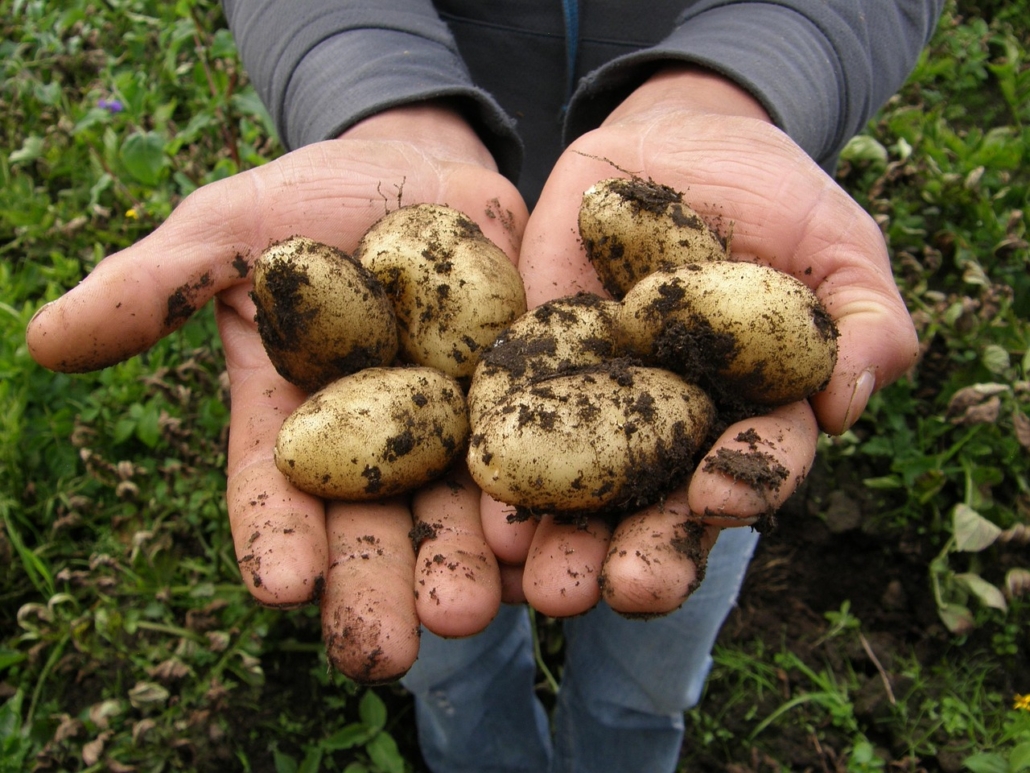
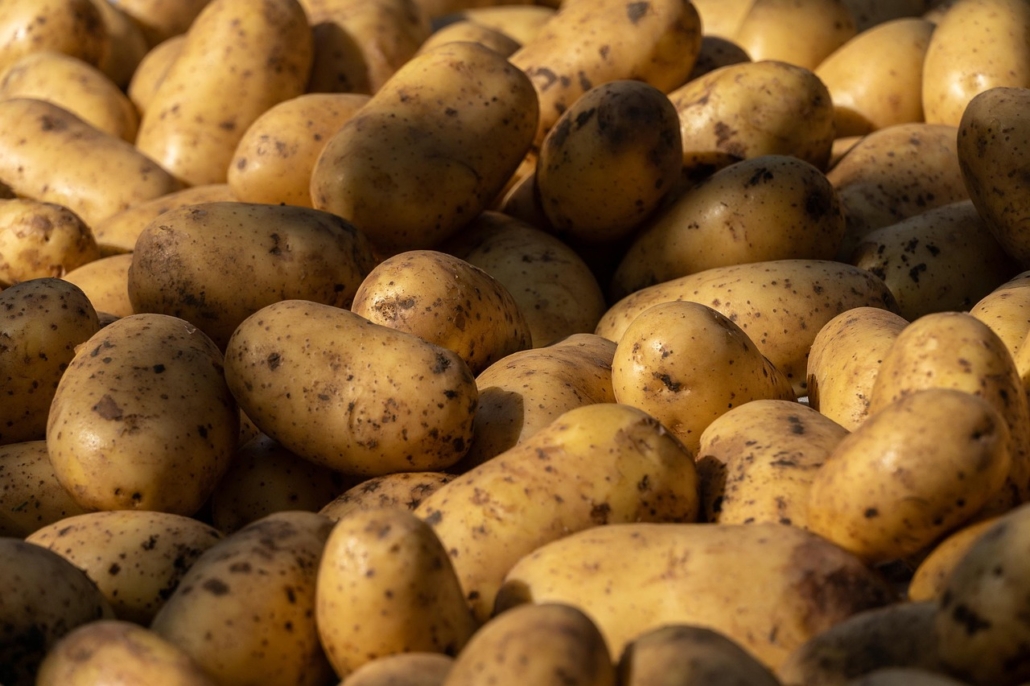
Photo: sbj04769 | Pixabay
Higher in nutrition
While potatoes are often lumped into the ‘carb’ category, new potatoes offer considerably more. Because they’re so fresh, they retain a higher proportion of:
- Vitamin C – supports immunity, skin repair, and iron absorption. (Vitamin C degrades with heat but, depending on cooking time and method, new potatoes are likely to retain more than stored potatoes.)
- Potassium – crucial for heart function, nerve signalling, and maintaining healthy blood pressure.
- B vitamins – especially B6, essential for hormonal balance, mood regulation, and metabolism.
- Dietary fibre (especially when the skin is left on) – helps with digestion, blood sugar steadiness, and gut microbiome resilience.
New potatoes naturally contain resistant starch, a type of fibre that feeds beneficial gut bacteria and supports metabolic health. Interestingly, resistant starch levels increase when potatoes are cooked and cooled — making new potatoes ideal for summer salads and picnic dishes.
In the kitchen: versatile, quick, and festive
With New Zealand’s cherry season lasting only a few weeks, from mid-December into early January, savouring them New potatoes shine when their skins are left on. A simple steam or boil is often enough. Toss with herbs, lemon, good olive oil, or cultured cream for an instant seasonal dish.
They’re also ideal for festive cooking, Christmas tables, barbecues, shared platters, and light summer lunches. Their ability to hold shape without becoming floury makes them perfect for salads.
Creamy new potato salad
with edamame, herbs & lemon
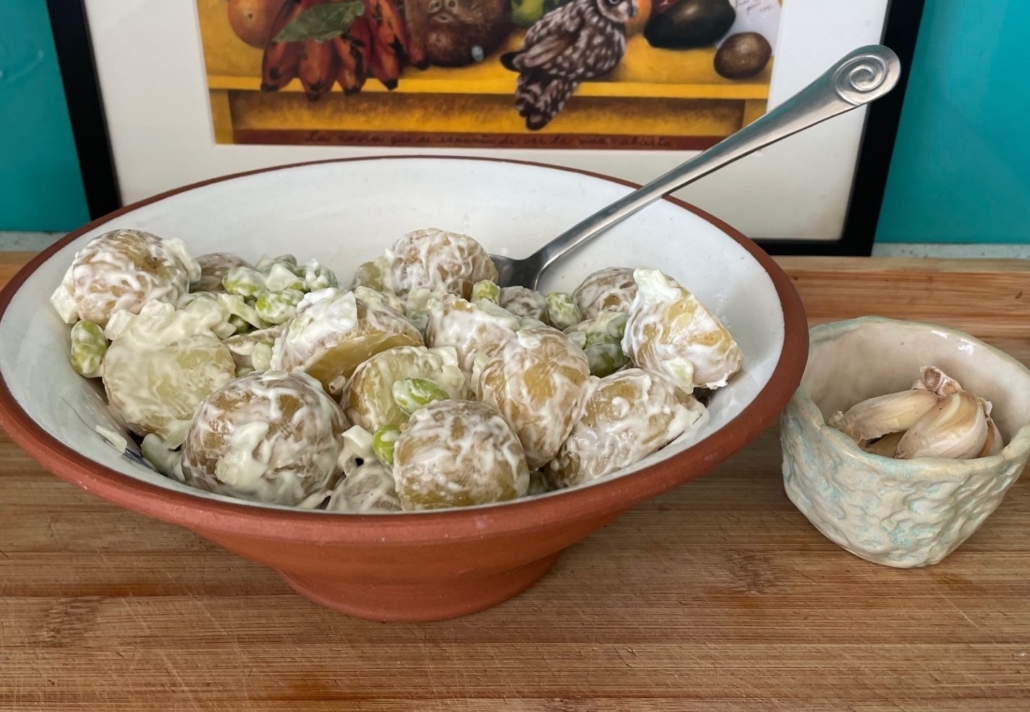
Ingredients
- 1 kg new potatoes
- 1 cup shelled edamame beans (frozen)
- 3 spring onions, finely sliced
- ¼ cup fresh dill, chopped
- ¼ cup parsley, chopped
Dressing
- ½ cup whole-egg mayonnaise (or vegan mayo)
- 2 Tbsp Greek or coconut yoghurt
- zest of 1 lemon
- Juice of ½ lemon
- 1 tsp Dijon mustard
- Sea salt and cracked pepper to taste
Method
- Boil potatoes whole until just tender. Drain and cool slightly.
- In a bowl, add frozen edamame beans, cover with boiling water, cover with a lid for approximately 3 minutes.
- Slice cooled potatoes into halves or quarters (keep the skin on).
- In a large bowl, add potatoes, edamame, spring onions, dill, and parsley.
- Whisk dressing ingredients together. Pour over salad and gently fold to combine.
- Refrigerate 30 minutes before serving.

AUTHOR BIO
Paula Sharp is a nutritional therapist supporting women’s health, digestion, hormones, skin, sleep, and energy through one-to-one consultations via Zoom. She’s also a local guest speaker in the Bay of Plenty and regular writer for Organic NZ.
Join Paula’s free newsletter – Sharp Bite – for weekly nutrition tips, seasonal recipes, and mindset inspiration.
Photo at top of article: Alexei_other | Pixabay