Preparing for winter: organic gardening tips and tasks for autumn
Autumn is traditionally viewed as a time for winding down the food garden, but it doesn’t need to be that way. With a cost-of-living crisis on our doorstep, Diana Noonan gives practical advice on adopting a waste-free approach to harvesting and preparing a garden that will provide fresh produce throughout the chilliest (and priciest) periods of the year. With plenty of heat still in the sun, and soil as warm as toast, there’s every reason to be gardening and growing right now!
We hope you enjoy this free article from OrganicNZ. Join us to access more, exclusive members-only content.
Ngahuru, kura kai, kura tangata –
Harvest-time, wealth of food, the wealth of people.
Care for the chaos!
At this time of year, the garden can look tired and unruly. But beneath the chaos, there’s a wealth of food. Check beneath long grass, browning vines, and wilting bushes for pumpkins, squash, and marrows (overgrown zucchini). If they’re mature, snip them off with about 4cm of stem attached, and leave them in a warm, dry spot (turning daily) for a week, to harden up their shells so that they store well for winter. Remove dead leaves from silver beet, celery, and brassica to prevent disease setting in. Hoe up around carrots and parsnip (and any potatoes you are not ready to dig) to prevent roots and tubers from turning green.
Autumn action
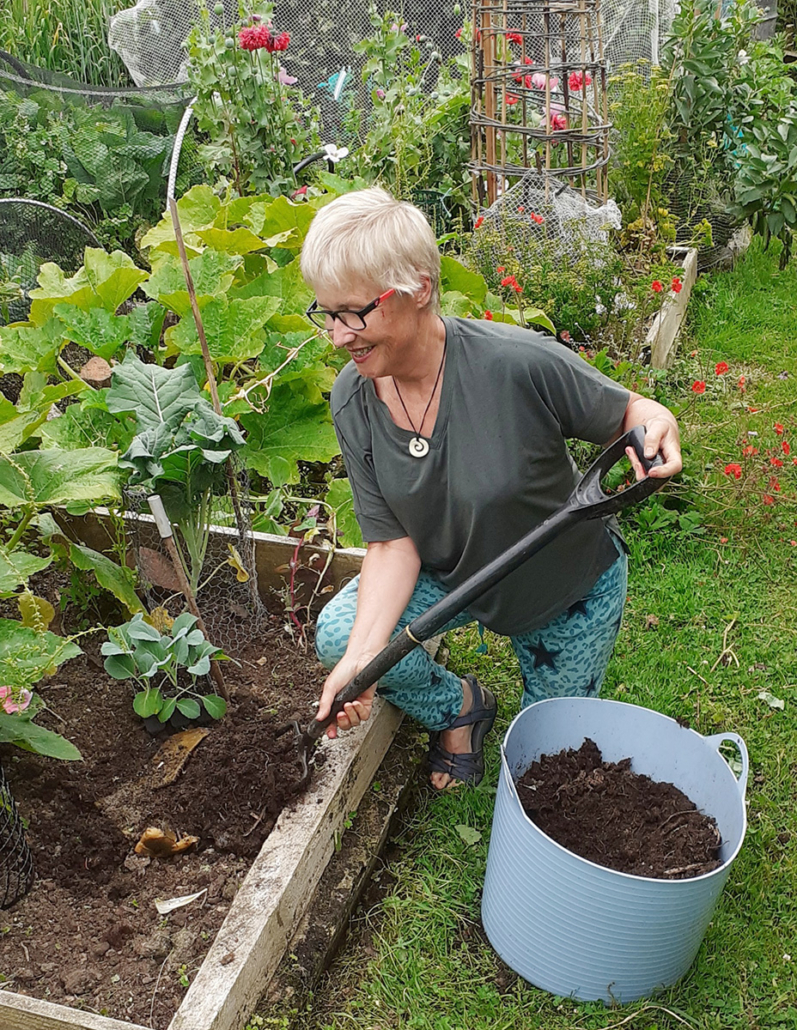
There is a whole raft of autumn and winter vegetables that can go in the ground now (see ‘sow and transplant’ suggestions below and right). If you don’t already have a garden bed established, chip off grass and weeds from a patch of healthy ground, dig and chop up the soil, add organic nutrients such as seaweed and compost, and cover in a mulch of organic pea straw or organic pine needles to prevent weeds re-establishing. This fresh, rough ground is best for seedlings, but can still be used for sowing providing you create shallow depressions of fine compost to receive the seed.
Already established gardens (and greenhouses) will have served you well over summer, but now the soil is hungry. Dig (or stir), into any spare sections of garden, mature compost, chopped seaweed, organic bone meal, and rock phosphate. Water well with liquid fertiliser before sowing seed, or transplanting seedlings. If seedlings include brassica (cabbage, cauliflower, broccoli, kale), cover with insect mesh to prevent white butterfly destroying them before they gain traction. Pick off slugs and snails after dark, using a torch to spot the pests. Your best chance of success with winter vegetables is to give them the best possible autumn start while there is still warmth in the soil.
TIP: Interplant brassicas with strong-scented companion plants such as mustard, marigolds or
pyrethrum daisy to disguise them from white butterfly.
Protein power
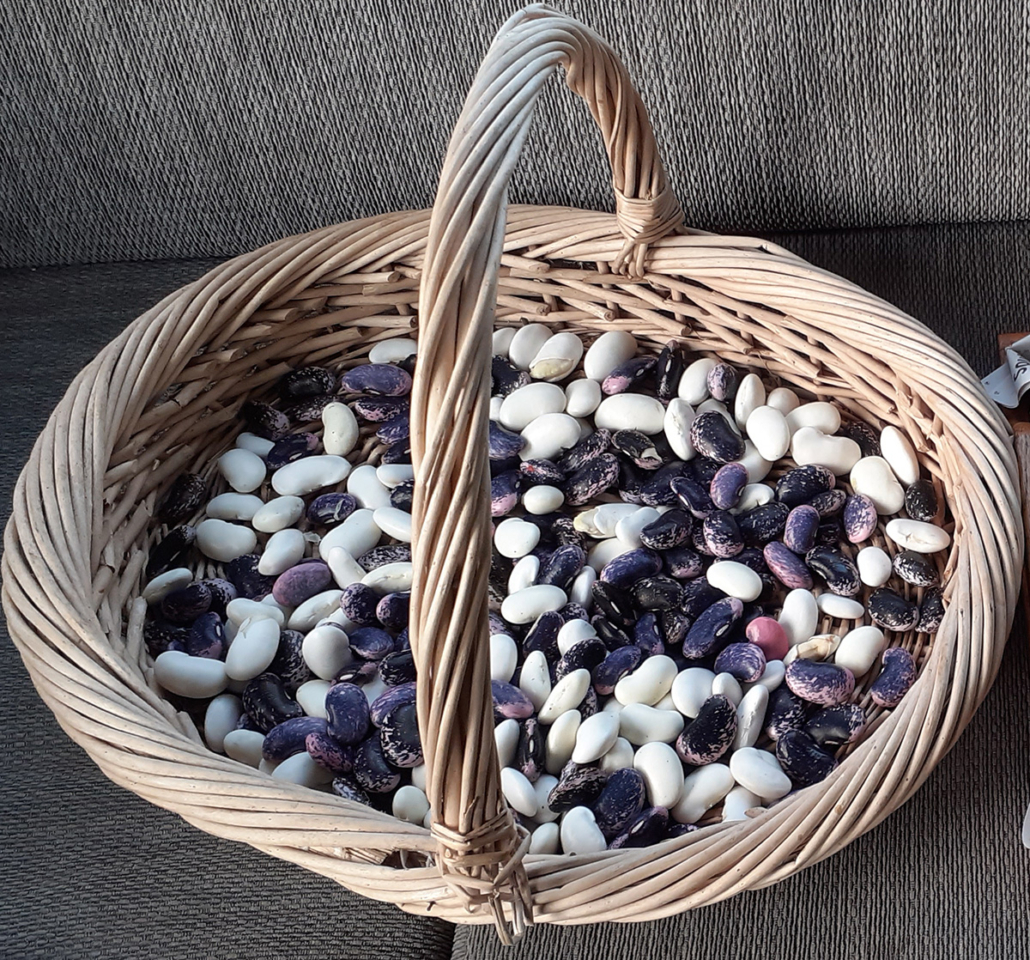
Autumn is the season of garden protein. Those peas and beans you missed when you were harvesting back in summer are now a valuable winter food source. If the weather is fine, leave them on the vine to finish drying. If there’s dampness in the air, pick them and finish off their drying on a sunny window ledge indoors before packing into jars with sachets of food-grade desiccant. Reconstitute by soaking, then boiling or steaming, and use in winter soups and stews.
Path preparation
Wild weather will soon be on its way, and with it, the danger of slips and falls in the garden. Don’t leave it until winter to prepare or improve your garden paths. If using gravel or grit, make it deep so that soil and debris wash well through and doesn’t create an environment for grass and weeds to flourish. Better still, consider laying down organic, untreated sawdust over a weed-proof layer. Sawdust provides grip (except in icy conditions), and as it weathers and rots down, it can be shovelled up and placed on the compost before a new layer is added to the paths. As well as providing safe access around the garden, well-constructed paths also avoid soil compaction and help keep vegetables healthy.
TIP: Use cardboard, layers of newspaper and/or bio-degradable underlay or carpet to create weed-proof layers under paths. Check to ensure the carpet does not have a nylon weave.
Take stock!
Avoid food waste by harvesting any leafy herbs that are past their best or which have run to seed (think: dill, fennel, parsley, and parcel). Gather vegetables such as over-mature celery, spring onions that are running to seed, and corn which is no longer tender. Chop up your harvest finely, and dry it in a slow oven or dehydrator. Wizz the dried edibles into powder, and combine with brewers yeast and seasoning to create dried stock for winter soups and casseroles. Check the internet for recipes.
TIP: Dry herbs by hanging bunches in a well-ventilated area. They look and smell great. When dry, crumble into jars for winter use.
Cold composting
Autumn is clean-up time in the garden and this material can be used in a winter compost. While summer composts heat up with relative ease, cool-season composts break down more gently, and as they do, they don’t ‘cook’ the micro-organisms that are so beneficial in the garden. Just remember, however, that a cool compost is unlikely to destroy plant material completely, so keep perennial weeds out of it. And when you use it on your garden, cover it with a deep mulch to prevent the germination of composted seeds. A cool-season compost will benefit from a waterproof covering to avoid nutrients washing through over the rainy season.
TIP: Spent plants, twigs, and dead and decaying vegetable leaves provide habitat for beneficial insects, skinks, and geckos, but also for slugs and snails so hunt out the pests.
Let there be light!
Over the summer, your greenhouse covering will have collected a decent layer of dust. As you oust the remains of your warm season plants, and before you bring in the next lot of seeds and seedlings, wash down the inner and outer sides of the greenhouse glass or polythene with warm soapy water. This will allow the maximum amount of light and heat to enter into the undercover space and promote winter growth.
Grape work!
Table grapes are coming on stream thick and fast – sometimes a little too fast for us to take advantage of. While the traditional way to deal with a grape glut is to juice the fruit and discard the skins and pulp, we all know that whole foods are healthy foods. This year, instead of saving only the juice of excess grapes, pick off the ‘berries’ and pop them into the freezer to use over winter. They can be added to smoothies, as a natural sweetener, along with kale and beetroot.
Sow me now
(In all but the coldest regions.)
Flowers: Hollyhock, nasturtium, phacelia, viola, spring bulbs.
Herbs: Coriander, chervil, rocket, chives, spring onions.
Veges: Autumn mesclun mix, Asian greens, cornsalad (Valerianella locusta), radish,
daikon radish, winter spinach, broad beans.
In warm regions only: carrot, beetroot, broccoli, cauliflower, cabbage, kale.
Note: in very cold regions, sow quick-growing pea shoots and micro-greens under cover.
Transplant me now
Flowers: Winter colour (polyanthus, primula, Iceland poppies, pansies).
Herbs: Most woody herbs including rosemary, sage, thyme, marjoram, and already-established potted lavender. Hardy leafy herbs including parsley, parcel, and sorrel.
Veges (by early February in cooler regions, and by March in warmer places): Brassica – especially spring cabbage, cauliflower, broccoli (including purple winter-sprouting broccoli), winter-lettuce, silverbeet, perennial beet, leeks, and celery.
Diana Noonan lives in the Catlins where she grows 70 percent of her food using a variety of methods including permaculture food forest to French intensive.