No one asked us whether the new substance belonged here.
A parable for our times by David McNeill
We hope you enjoy this free article from Organic NZ. Join us to access more, exclusive member-only content
We are the ones who live beside the paddock.
We are the children breathing at the fence line, the old woman hanging washing when the wind changes, the dog nosing the ditch, the cat washing its paws after walking through wet grass.
We are the swallows taking insects from the air, the worms folding leaves into the soil, the fungi threading unseen through roots, the bees reading flowers as maps, the fish waiting downstream where every paddock eventually arrives.
No one asked us whether the new substance belonged here.
It came with a label, a number, an approval, a promise. It came as efficiency. It came as yield. It came as a solution to a problem measured in tonnes and dollars.
It came with confidence from elsewhere, from another regulator, another climate, another soil, another river system, another idea of acceptable loss.
The farmer saw a treatment. The supplier saw a market. The regulator saw a pathway. The Minister saw growth. The paddock saw a fog settle on its skin.
We do not speak in quarterly returns.
We speak in hatchings, germinations, moults, root hairs, spawning, coughing, composting, mauri and the slow inheritance of residues.
What is temporary to a permit may be permanent to a stream. What is negligible to a model may be everything to a mayfly. What is ‘acceptable exposure’ to an adult may not be acceptable to a child, an embryo, a wetland, or a handful of living soil.
The farmer may gain this season. The grass may stand thicker. The invoice may be justified. But the paddock is not an isolated factory floor. It is connected: to field drains, lungs, gardens, milk, birds, rain, worms, neighbours, memory, and whakapapa.
We ask for a law that hears the quiet witnesses before the loudest applicant.
We ask that novelty not be mistaken for progress.
We ask that profit not be allowed to outrun proof.
We ask that soil be treated not as a surface to be managed, but as a living community with its own right to caution, to abundance.
For once a substance has crossed the fence, entered the ditch, touched the root, settled in the silt, or moved through the body of a child, the question is no longer whether approval was efficient. The question is who was made to carry the cost.
This is kaitiakitanga.
The Soil Act — the shortest and most important act for the environment. Clause 1. No person shall do anything to harm the soil. The end.
David McNeill is a member of Soil & Health’s National Council, its treasurer, and is a Soil & Health appointee on the board of BioGro NZ.
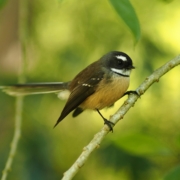
Photo at top: Fantail – piwakawaka on a tree branch, by Lolita Alekseeva, Unsplash
https://organicnz.org.nz/wp-content/uploads/sites/2/2026/06/lolita-alekseeva-hvMyBVz-mzM-unsplash1.jpg14401920membershiphttps://organicnz.org.nz/wp-content/uploads/sites/2/2024/09/OrganicNZ-2024-Masthead.pngmembership2026-06-29 22:30:442026-08-14 17:13:25Parable of the paddock edge
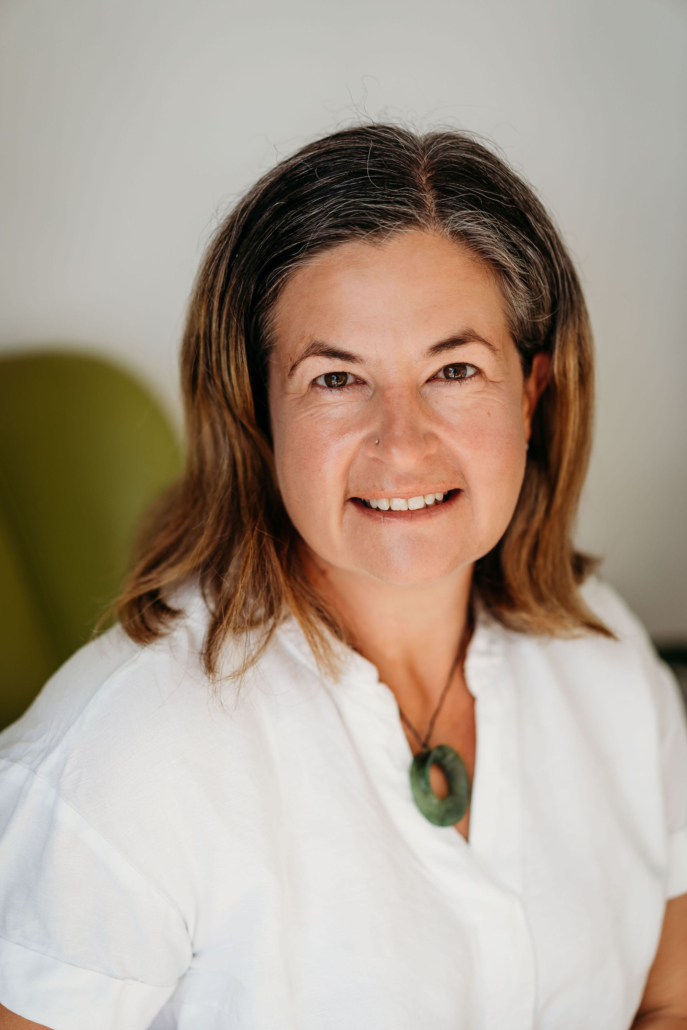
One woman. Thirty hives. Thousands upon thousands of bees. And a lifelong love affair with some of nature’s most essential pollinators. Paula Sharp interviews beekeeper Jewelle Lloyd.
We hope you enjoy this free article from Organic NZ. Join us to access more, exclusive member-only content
Ōhope Beach in the Eastern Bay of Plenty is known for its surf breaks, salt air and sweeping coastline. But tucked quietly behind the relaxed coastal lifestyle is a woman whose life revolves around one of nature’s most remarkable creatures, the honey bee.
For local honey producer Jewelle Lloyd, bees are not simply livestock, nor merely a business venture. They are part of her family history, her everyday rhythm and deeply woven into her identity.
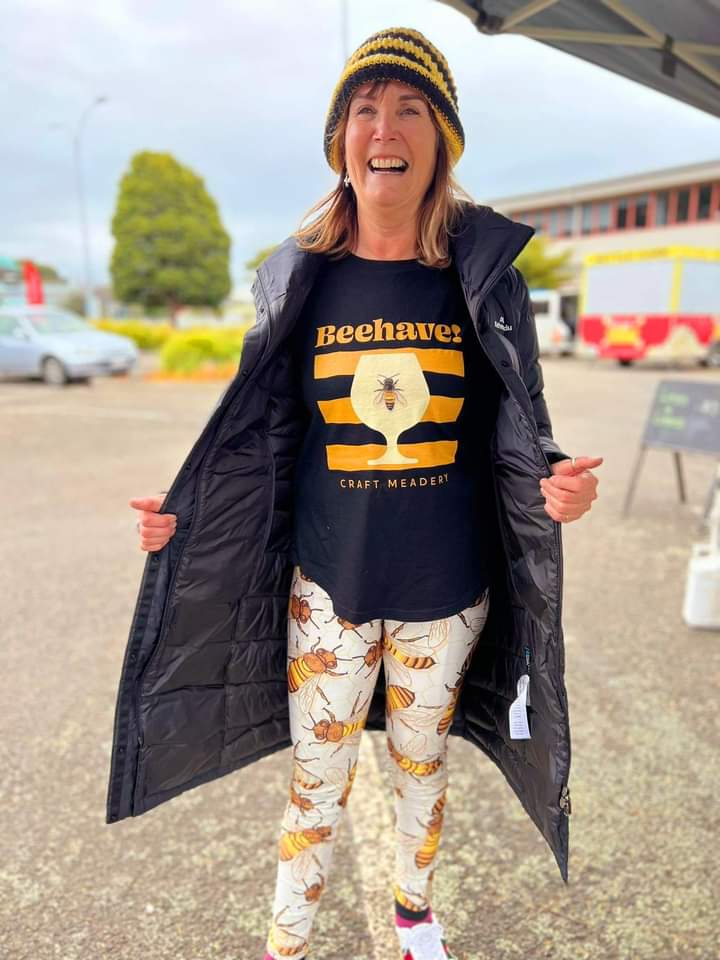
Jewelle laughs when she admits she may be slightly obsessed with bees. Bee earrings. Bee socks. Bee-themed gifts. Bee conversations.
“I just love them,” she says. This is no passing hobby; beekeeping runs through generations of her family.
Her earliest memories are tied to her grandmother’s homestead, where hives stood only a short walk from the back door. While many children kept a cautious distance, Jewelle was fascinated.
Her grandmother harvested honey straight from the hives and treated the bees with enormous respect. She spoke to them often, chatting gently as she moved around the property. To some this may sound whimsical, but experienced beekeepers understand that calm energy around bees matters. Her grandmother rarely wore a protective suit and stings were uncommon.
Jewelle remembers standing nearby, watching closely, asking endless questions and quietly absorbing knowledge through observation. “My brothers weren’t interested in the bees at all, but I was always curious.”
That curiosity never left. Now, decades later, the next generation is beginning to circle back to the hives as well. Her sons, now grown with families of their own, are beginning to show interest in the craft that has travelled down through the family line. A cousin is also well established in the industry, working in kiwifruit pollination.
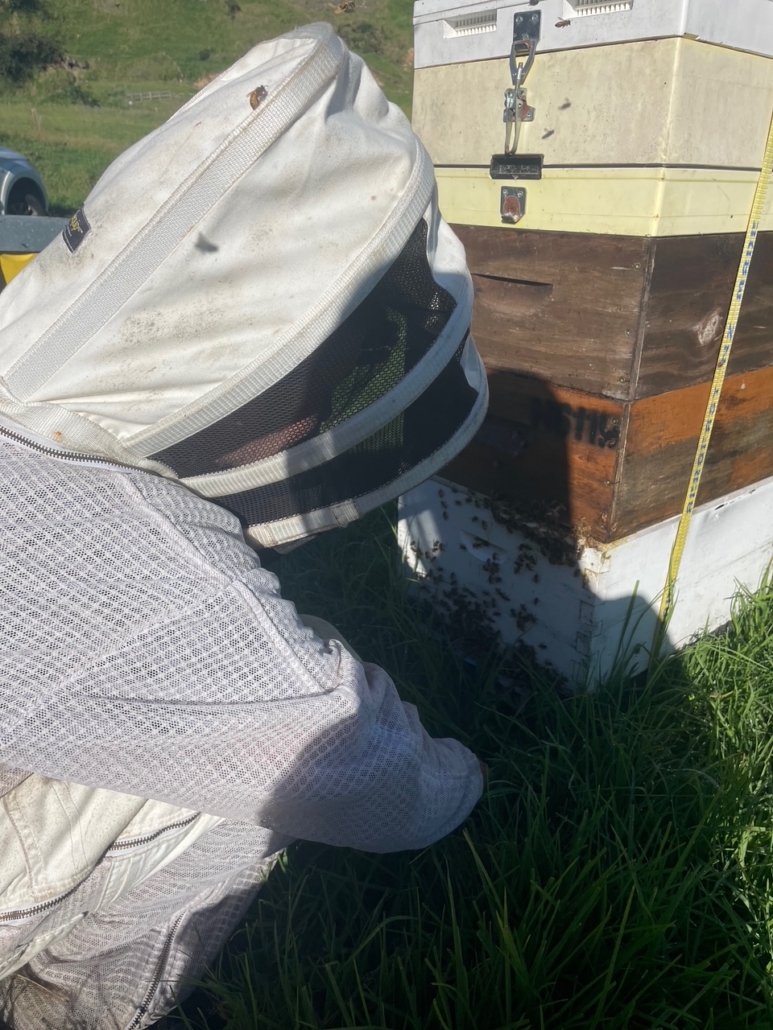
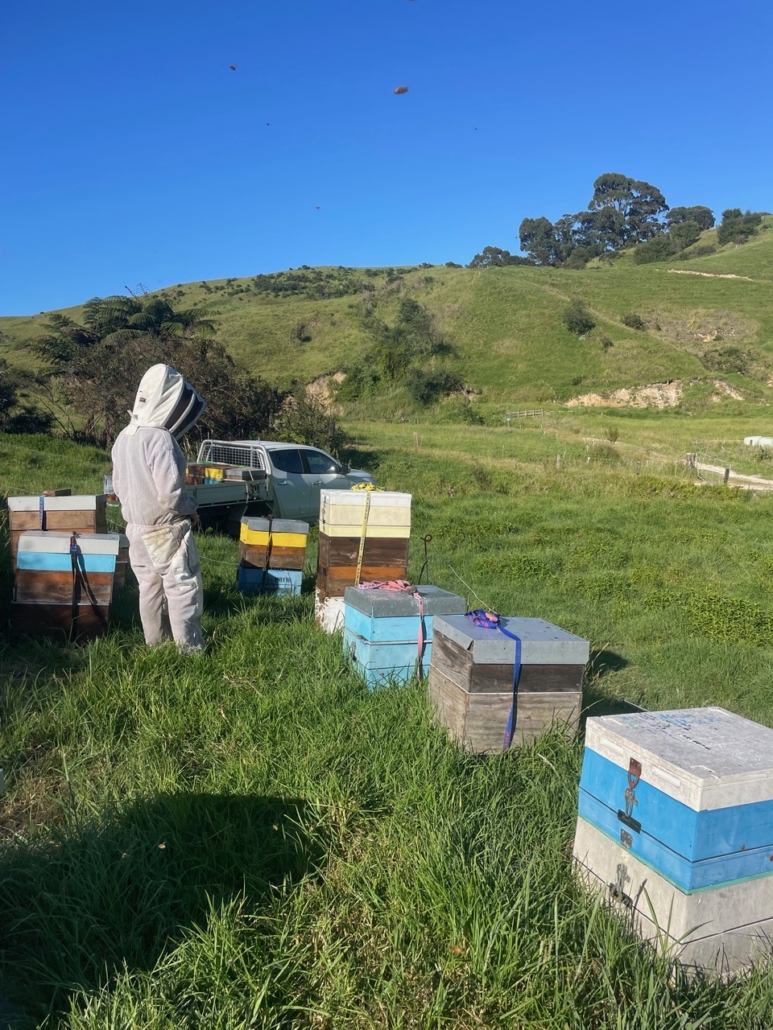
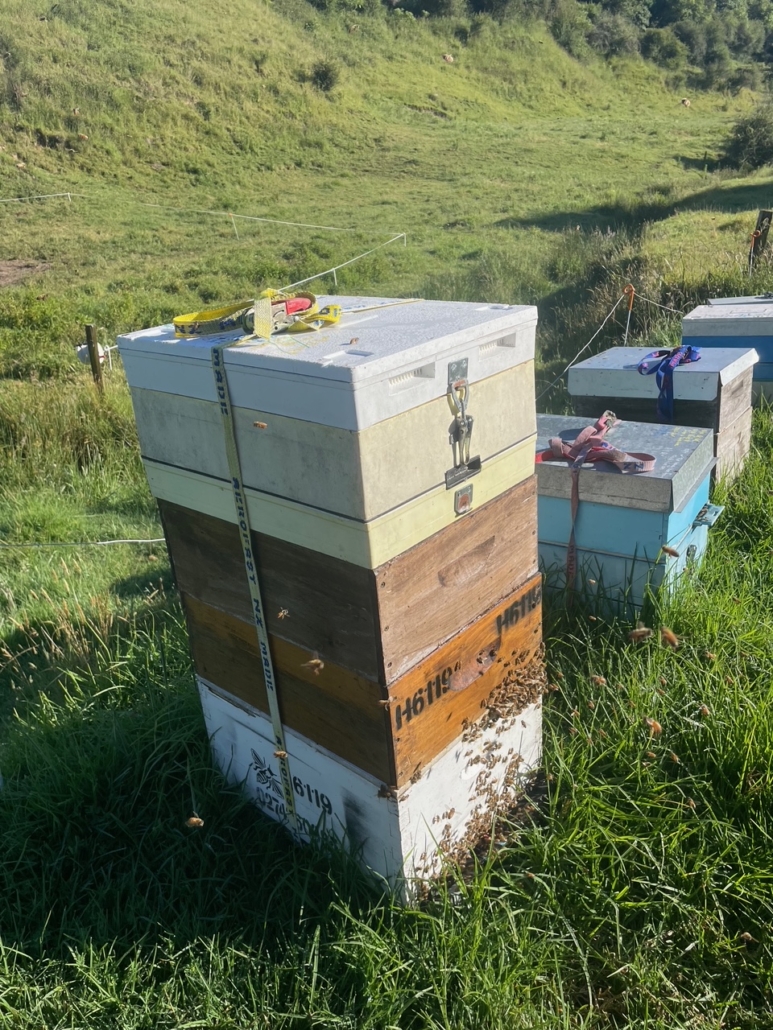
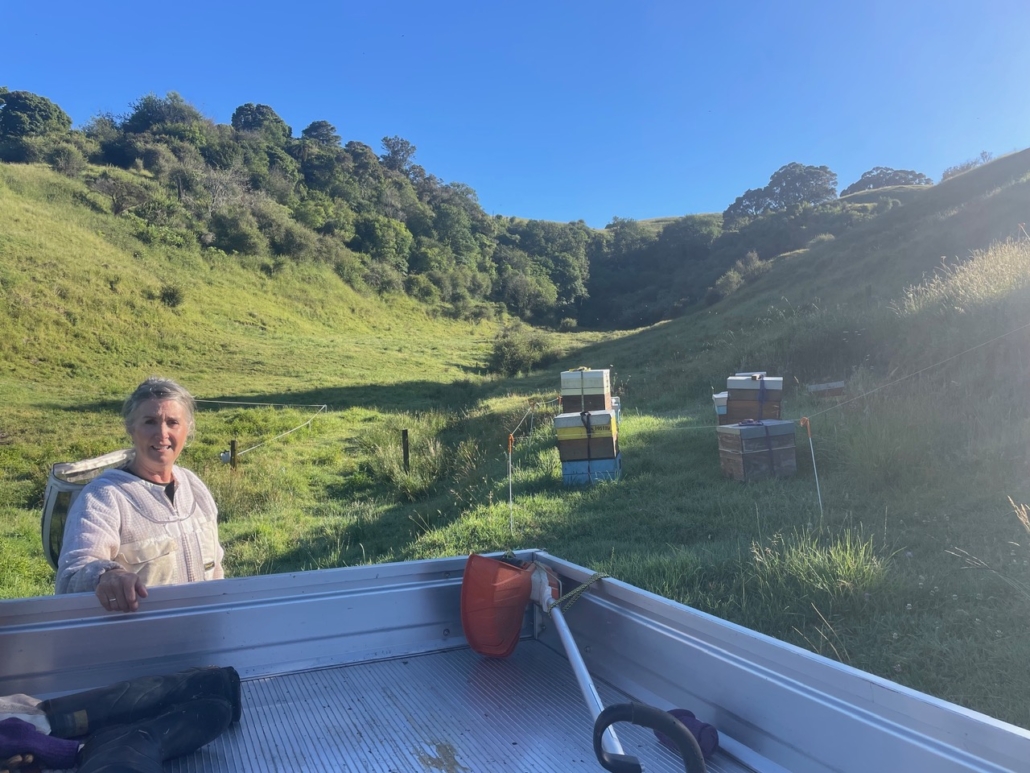
Today, Jewelle manages around 15 hives on a coastal Bay of Plenty farm, and another 15 hives on her partner’s property near Gisborne. The two regions provide distinctly different landscapes, climates and flowering plants, resulting in unique honey varieties and flavour profiles.
Unlike many large-scale commercial operations, Jewelle’s beekeeping is intentionally personal and hands-on. One of the most important aspects of her practice is independently raising her own queen bees, no small undertaking in the beekeeping world.
Queen breeding
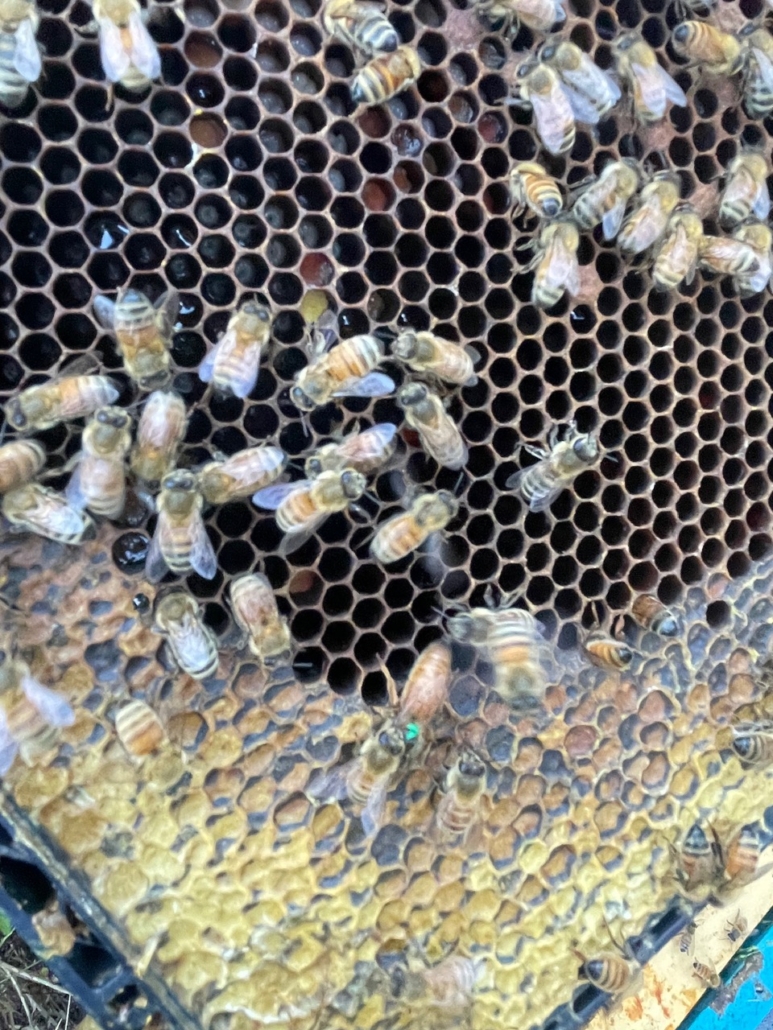
The queen bee is the heart of the hive. Her genetics influence things like productivity and overall colony strength. By breeding and selecting her own queens, Jewelle maintains close oversight of the lineage within her hives. “It means I know exactly where my queens have come from. I can monitor strength, temperament and disease resistance much more closely.”
Each year, she introduces new queens into the hives to maintain vitality and healthy colony performance. Strong queens are essential for resilient hives, particularly as modern beekeeping faces increasing environmental pressures. Jewelle’s careful management reflects a growing movement among smaller New Zealand beekeepers who prioritise sustainability, hive health and biodiversity over mass production.
The Bay of Plenty coastline offers bees rich and varied food sources. Depending on the season, bees forage on clover, pōhutukawa, mānuka, wildflowers and native coastal species. This diversity contributes to the flavour, colour and nutritional complexity of locally produced honey. The Gisborne hives experience slightly different conditions, creating subtle variations in the final harvest.
Raw and minimally processed
Honey is far more than simply a natural sweetener. Raw honey contains trace enzymes, antioxidants, plant compounds and naturally occurring antibacterial properties. New Zealand honey, particularly mānuka honey, has gained international recognition for its medicinal properties. Traditionally, raw honey has been used to soothe sore throats, calm coughs, support wound healing and provide a quick source of natural energy. Emerging research also suggests certain honeys may assist in reducing bacterial growth due to naturally occurring hydrogen peroxide activity and other bioactive compounds.
Jewelle sells her honey raw, meaning it is minimally processed and not heavily heat-treated. This matters because excessive heating can damage delicate enzymes and beneficial compounds naturally present in honey. Raw honey retains more of its natural character, complexity and nutritional integrity.
Over time, raw honey may crystallise, something many consumers mistakenly view as a flaw. In fact, crystallisation is often a sign the honey has been minimally processed and remains closer to its natural state.
While Jewelle carefully manages the hives herself, the honey frames are sent away for extraction once ready for harvest. During extraction, honey-filled frames are spun to remove the honey while preserving the delicate wax comb structure. The honey is then lightly filtered and jarred. And nothing goes to waste.
Jewelle also sells beeswax, which is used in candles, skincare products, balms and reusable wraps. The circular nature of beekeeping strongly appeals to many small-scale producers. Bees pollinate crops and gardens, produce honey and wax, and play a vital role in biodiversity and food production systems. Without pollinators, our range of food would be greatly reduced.
Close observation
Modern beekeeping, however, is not without challenges. Across the world, bee populations face growing pressure from habitat loss, pesticide exposure, climate instability and disease. In New Zealand, varroa mite management remains one of the largest ongoing concerns for beekeepers. Maintaining healthy hives requires constant observation, careful intervention and proactive management. Healthy bees are not accidental. Good beekeeping requires patience, consistency and deep respect for the natural behaviour of the hive.
Her connection to the bees also reflects something increasingly valued within the organic and regenerative food movement: relationship. Small-scale producers often know their land intimately. They observe flowering cycles, seasonal changes and environmental stressors in ways industrial systems do not. That relationship with land and environment ultimately shows up in the final product.
Outside the hives, Jewelle’s day job is teaching hairdressing at Whakatāne’s Toi Ohomai Institute of Technology. On the surface, teaching hairdressing and keeping bees seem worlds apart, but there are surprising similarities. Both require patience, creativity, steady hands and strong people skills. And while teaching may pay the bills, the bees nourish something deeper.
At local markets, Jewelle lights up when talking about hive behaviour, queen development and seasonal honey variations. Customers quickly realise they are buying from someone genuinely connected to her craft. She sells her honey at several outlets in the Whakatāne, Ōhope and Gisborne areas, as well as directly via email at iamjewelle@hotmail.co.nz or phone on 0274 260 985.
For many people, purchasing local honey is about far more than taste. It supports regional food resilience, small-scale producers and the protection of pollinator populations. In Jewelle’s case, every jar carries a story, from a grandmother chatting quietly to bees outside a homestead door, to a passionate beekeeper in Ōhope continuing that tradition today.
In a fast-moving world, there is something deeply reassuring about that continuity.
If you would like my free PDF Medicinal Honey Recipes, including simple ways to use raw honey for wellness, soothing winter tonics and nourishing kitchen remedies, email me at paulasharp31@icloud.com
Want some seasonal nutrition inspiration?
I’m Paula Sharp, nutritional therapist and founder of Paula Sharp Nutrition, supporting women to nourish their health with sustainable food and mindset habits.
If you’d like seasonal recipes, practical nutrition tips and evidence-based wellness insights delivered straight to your inbox, I’d love you to join my newsletter. Sign up at: www.paulasharpnutrition.com