• Link to Facebook
  • Link to Instagram
  • Link to LinkedIn
Reset member access or visit Soil & Health NZ
Organic NZ
  • Articles
    • Features
    • Gardening
    • Health and Food
    • Farming and Horticulture
    • Building and Technology
    • News
  • Competitions
  • Donate
  • Login
  • Join Us
  • Click to open the search input field Click to open the search input field Search
  • Menu Menu

Tag Archive for: soil carbon

Posts

Biochar, black gold and bananas

28 Aug 26/in Farming and Horticulture, Features, Free Online, Gardening, Magazine Articles


What started as a simple experiment to improve soil in the direction of terra pretaโ€”a famously fertile, friable soil that seems to sequester carbon permanentlyโ€”has become a national field trial for the use of biochar in New Zealand.


Betsy Kettle from Hibiscus Coast Zero Waste tells the story.

We hope you enjoy this free article from Organic NZ.  Join us to access more, exclusive member-only content
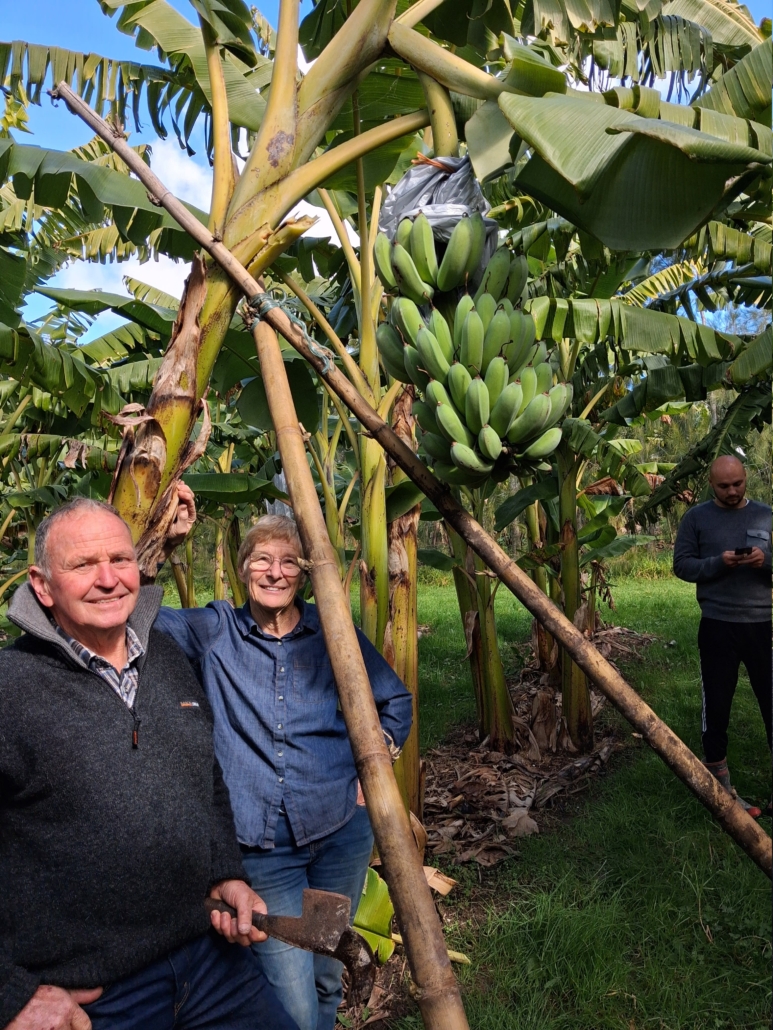
Phil and Jenny Grainger with banana trees grown in compost swales at their Waitoki farm


One of the programmes of our environmental education trust is City to Farm, which involves schools, retirement villages and cafes collecting their food scraps in wheelie bins, along with bokashi to add microorganisms and biochar to control odour and build topsoil.

The bins are transported to a local farm for composting.

Jenny and Phil Grainger have been experimenting at their Waitoki farm, in Rodney district north of Auckland, creating compost swales, enriching the soil and growing bananas.

Seven years later, the results are in. The compost swales created at the Graingersโ€™ farmโ€”layered with mulch, food scraps, and biochar, then planted with bananasโ€”have transformed from hard, lifeless clay into something resembling the black, soft soil of the Amazon. Soil tests from Hill Labs and the Bioeconomy Science Research Lab confirm it.

ABOVE: Phil and Jenny Grainger | Photo: Betsy Kettle

WHAT IS BIOCHAR? Biochar is a form of stabilised carbon that can last for decades, centuries, or even millennia in the soil without decomposing โ€“ read more about it on the Biochar Networkโ€™s website here.

The black gold of terra preta
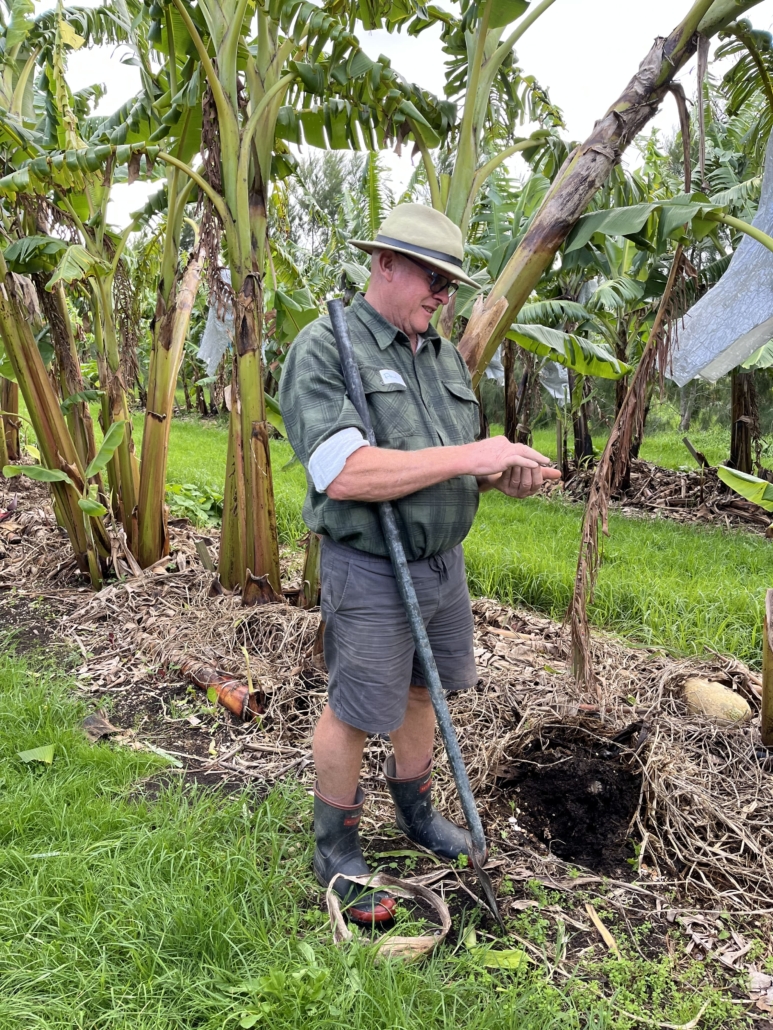
Archaeologists who have analysed terra preta tell us that ancient Amazonians placed organic waste of many kinds, along with biochar, into trenches to transform their infamous clay into their famous, long-lasting topsoil.

So we followed their lead. We imitated the process by collecting food scraps from town, using donated biochar from Soil Conditioner Products (SoilPro), and keeping both the composted area and the area around it planted.

The biggest mystery, though, is this: how long does it take to make terra preta? We know there are areas of this โ€˜black earthโ€™ that are centuries, perhaps even millennia, old. But does it really take that long to create it? Landcare Research told us it would take at least five years before we would notice even the slightest change in soil carbon. We were a little concerned, but we carried on.

ABOVE: Paul Candy of Future Ready Farms checks out the soil in the compost swales | Photo: Rebecka Keeling

Compost swales

Compost swales are designed especially for clay soils to catch water from above and help it soak into the subsoil. Long, shallow excavations are dug across the contours of a hill, sloping gently downhill. The excavated soil is mounded on the downhill side and planted.

The hollowed area is then layered again and again with woody mulch and food scraps with biochar, or another nitrogen source, until the desired height is reached.

After that, it is simply left to compost. The compost is not turned and not moved. Instead, the combination we used of biochar and bokashi in the food scraps keeps the heap fresh and healthy, if it is not sitting in standing water. The bokashi โ€˜zingโ€™ (microorganism mix) in the food scraps supports some anaerobic breakdown, and worms move in once the heap has cooled. Fungal hyphae grow undisturbed.

Climate action tool
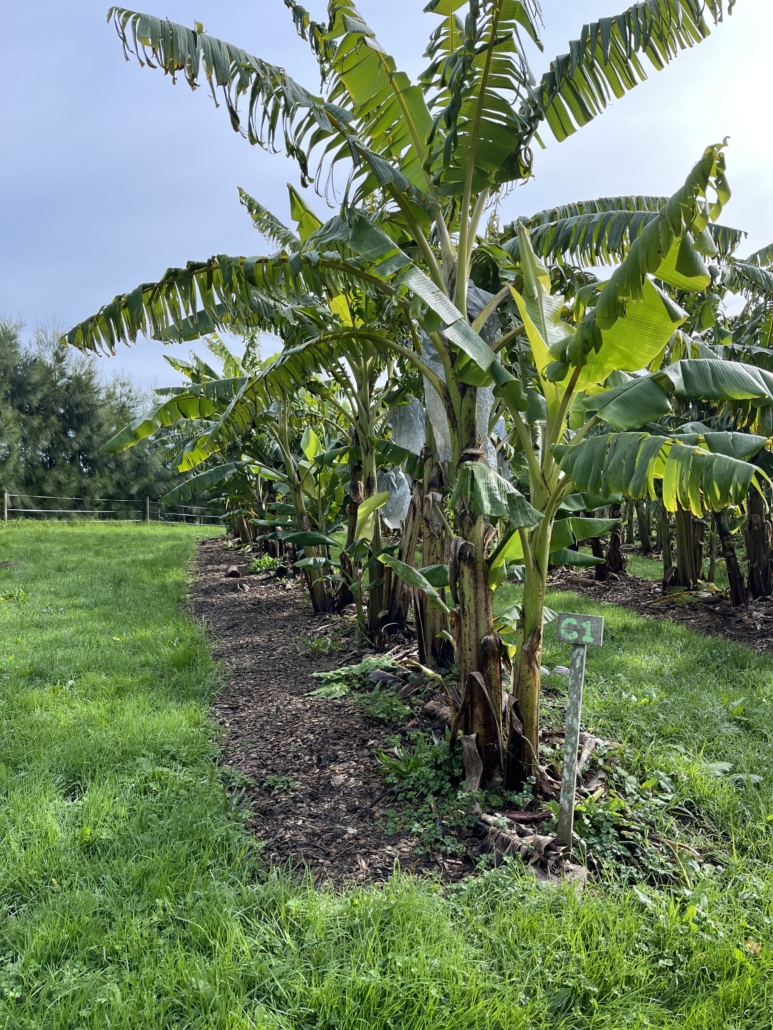
Swales are useful climate action tools because in times of drought the biochar and deepened topsoil act as a reservoir that plants can draw from. They can also help ease flooding by encouraging runoff to soak into the subsoil. And when the swales are saturated, the bunds provide a drier, more aerated area for roots.

Compost swales are also climate action because they use the stabilised carbon that is biocharโ€”making it a carbon sink in its own right. But this is not the biggest carbon sink. The growth of the living soil microbiome may be much larger.

Biochar acts as a long-lasting home for soil microorganisms, giving them more surface area to colonise. Fungal hyphae also seem to be stimulated by biochar and add to the growing carbon mass. But the fungi and bacteria must still rely on a steady source of food from the starches and sugars that plants pump into the soil.

ABOVE: Banana trees growing in compost swales | Photo: Rebecka Keeling

Holistic approach

So, the swale, biochar, compost, plants, and microorganisms all work together symbiotically and synergistically to transform the soil.

Will this work in other parts of New Zealand? We may have been fortunate: we were working with the same โ€˜deadโ€™ kaolinite clay found in much of Rodneyโ€™s soils, that are also found in the Amazon.

We encourage growers throughout the country to experimentโ€”not only with biochar, but with creating diverse living systems that work together to create living carbon sinks that are resilient to an ever-changing climate.


Betsy Kettle has been a zero-waste advocate and composter for at least three decades and is a trustee of the Sustainable North Trust. She thanks Auckland Council for their support for the City to Farm project over the past eight years.


https://organicnz.org.nz/wp-content/uploads/sites/2/2026/08/Phil-and-Jenny-Grainger-with-banana-trees-grown-in-compost-swales-photo-Betsy-KettleCOMPRESSED-scaled.jpg 2560 1920 membership https://organicnz.org.nz/wp-content/uploads/sites/2/2024/09/OrganicNZ-2024-Masthead.png membership2026-08-28 13:50:342026-08-29 08:04:06Biochar, black gold and bananas

Join the No-Mow movement!

16 Apr 25/in Free Online, Gardening

Dr John Fluxโ€™s neighbour once called to see if he had died โ€“ because the grass had grown so long! The Lower Hutt ecologist is an advocate of the no-mow movement because of its many environmental benefits, and describes here how he has implemented it for the past four years in his garden and on the footpath verge.

We hope you enjoy this free article from OrganicNZ.  Join us to access more, exclusive member-only content

ABOVE: Green desert: The house with lawns as bought in 2016.

The origin of lawns

Lawns are said to derive from Marie-Antoinetteโ€™s wish to show she was rich. The habit spread to English nobility, and then everyone else. Naturalists, the early ecologists, realised how lifeless they were: W H Hudson wrote in 1919: โ€œI am not a lover of lawnsโ€ฆ Rather would I see daisies in their thousands, ground ivy, hawkweed, and even the hated plantain with tall stems, and dandelionsโ€ฆ than lawn grass.โ€

The benefits of No-Mow

Today ecologists list many advantages of No-Mow:

  • an improved habitat for insects, and the birds reptiles, fish, and frogs that rely on them;
  • less petrol for mowing (5% of our carbon footprint);
  • increased carbon sequestration, continuing for many years;
  • reduced flooding (Cyclone Gabrielle damage was due to cut grass mud-flow, and forest trash);
  • it stays green and lowers the risk of wind-blown embers spreading fires;
  • and it saves money.

So I started to implement No-Mow in 2021 to show these advantages.

Implementing No-Mow

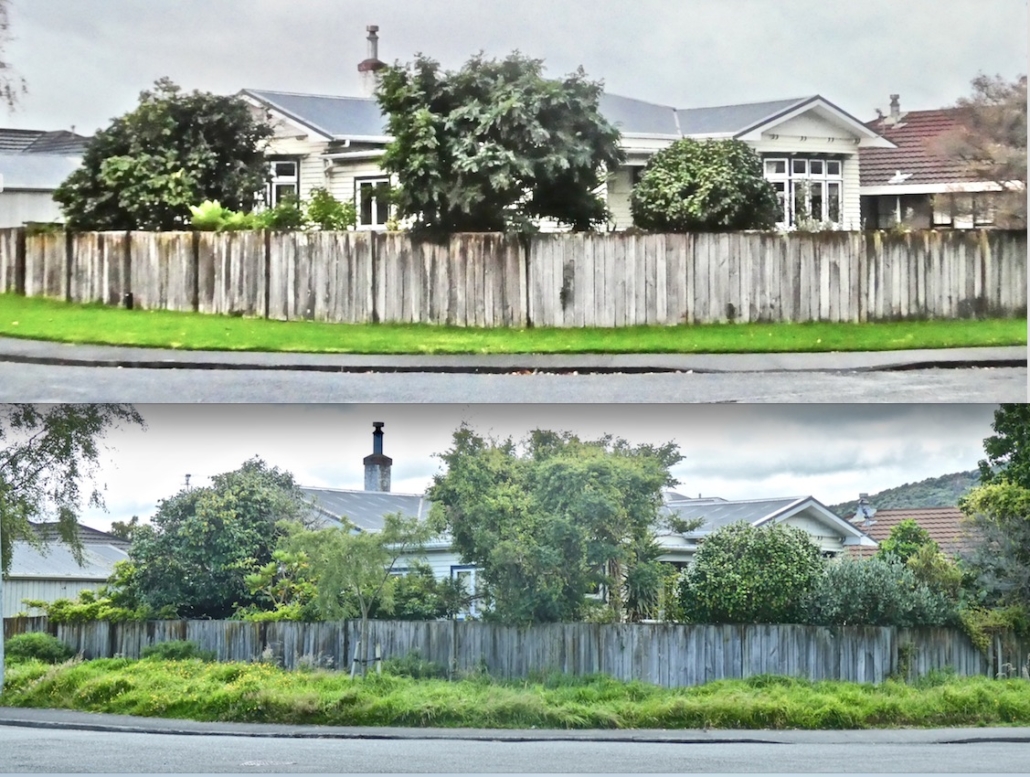
The first step was to ask the city mayor for permission not to mow the grass verge beside the footpath. He said to contact the environment section, who all thought it a good idea; but verges came under transport. Their only condition was clear views for motorists turning the corner, so the height limit was one metre. Check your local council rules if you want to put No-Mow in practice on your verge or berm.

The second step should be easy: just sit back and watch what happens. But Western humans are born to interfere with nature to make things โ€˜betterโ€™. Resist the temptation, or at least try a No-Mow patch. (Do not expect stability โ€“ in New Zealand ecological succession ends in forest, and you may prefer tussock.) I confine gardening to watering, weeding, and fertilising raised beds with compost; no sprays of any kind. We know ragwort is a dreadful weed that will spread everywhere, but it didnโ€™t, as explained later, and monarch butterflies love the two or three plants that flower each year (as pictured in the photo at the top of this article).

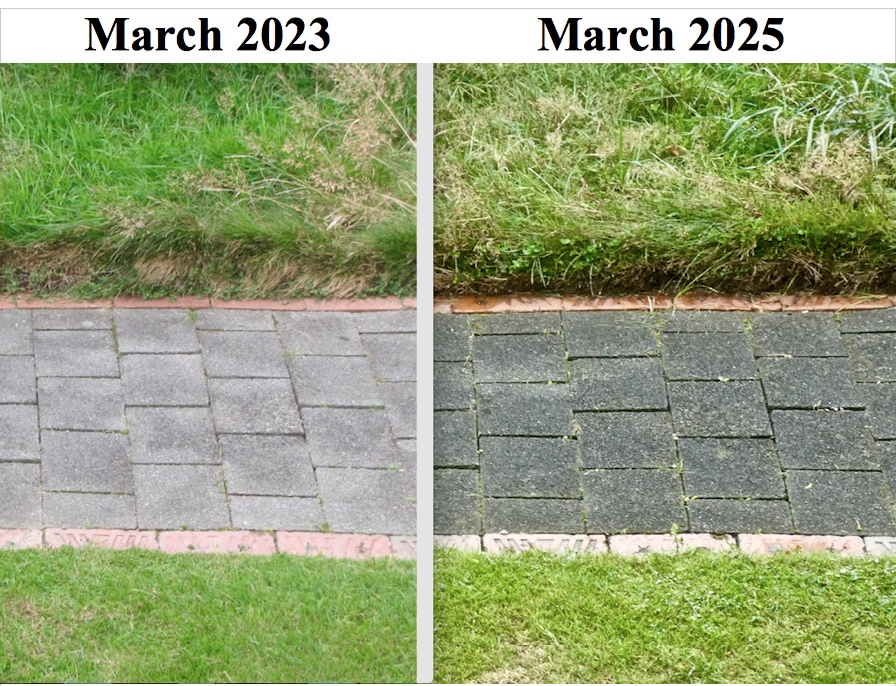
ABOVE: The roadside verge in 2021 (top) and 2025 (lower image)

Unexpected benefit: two apple crops a year

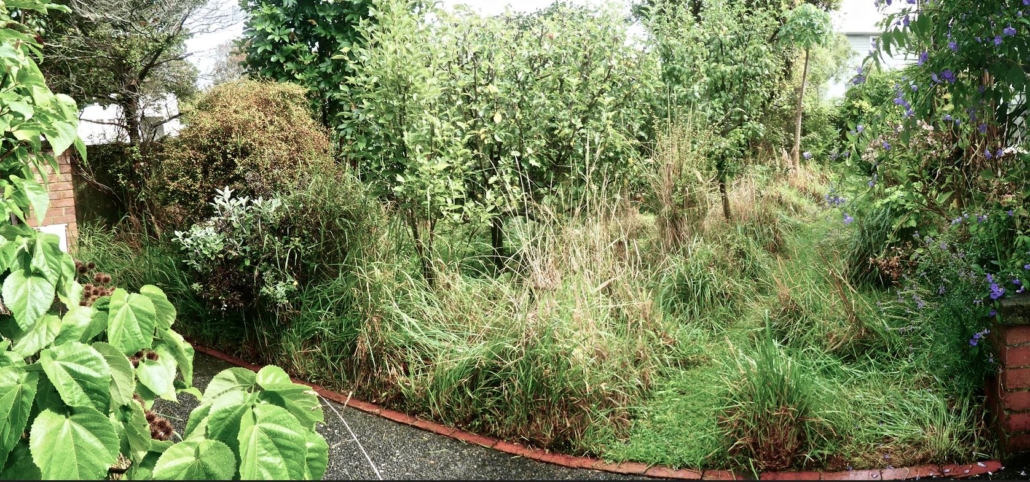
When we bought this house in 2016 it was in clear view from the gate, but today only the front door is visible. The neat brown lawn now reaches your knees and stays green. I was very surprised at the rate native trees grew once No-Mow established a complete ground cover that prevented the soil drying. They reached four to five metres in five years.

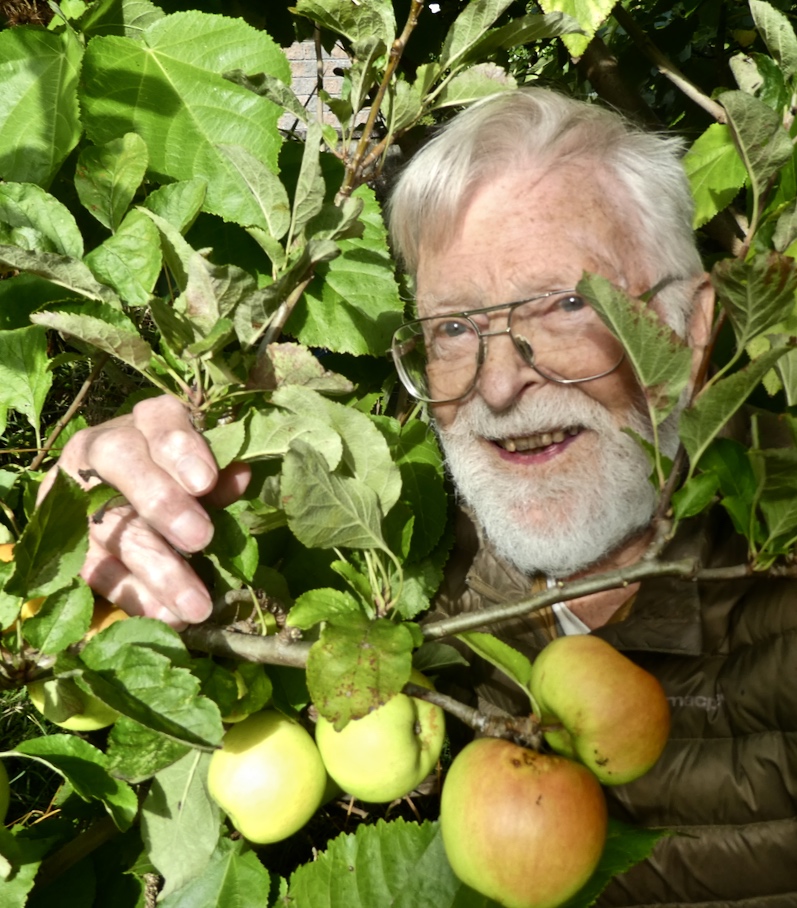
Apple trees (Sturmer, Coxโ€™s Orange, and Russet) are pruned to two metres high, and all three produce two crops a year, summer and late autumn. Other gardeners have not reported this, so it does not seem to be a result of climate change, but pears, plums, figs, and feijoas still bear one crop a year.

Dr John Flux with a Sturmer apple tree in his No-Mow garden. The apples are ripe now (April 2025), andย the second crop will be the normal time in August.

Managing the No-Mow garden

This front garden remains No Mow apart from clearing grass against the house for ventilation, and 30cm wide tracks I cut regularly with a push mower for access to prune, pick fruit, and show visitors round. These tracks are now a mix of short grass and white clover.

Most lawns are mixtures of about five grasses, e.g. brown top, fescues (chewings and creeping red), sweet vernal and turf ryegrass is a common lawn. Other species are chosen for a hard-wearing surface (playing fields) or different climates (kikuyu is frost tender). Our berm had kikuyu accidentally introduced in a load of topsoil by the original owner; it dominates that bit of No-Mow (see photo above) and is good for attracting attention โ€“ such as when a neighbour called to ask if I had died.

An experiment

On part of my lawn I set up an experiment: half was mowed, weeded, and watered, as normal. The other half has not been touched in any way since 2021 (see below). Each year the No-Mow area grasses grow about 20cm high and flower heads reach 30โ€“50cm. Sparrows and finches enjoy the seeds until it all dies back to the green base over winter.

For the photos below, I cut the flap of grass that normally covers the orange bricks to show the thick underlay, which is ideal for delaying and filtering runoff in heavy rain. Visitors are impressed that no weeds have managed to invade this patch, despite all the dandelions growing and seeding on the mown lawn opposite. It explains why ragwort in the front garden remains an isolated clump. And I hand out copies of God, St Francis, and Lawns (google it!).

Still, problems remain. Ivy spread over a quarter acre of our previous garden, so I pick out every bit I find here. Kikuyu crawls in from the berm, under the fence and under the No-Mow plants. It is very hard to kill; I chuck it back over the fence where it came from. Muehlenbeckia australis climbs everywhere, but can be traced back and cut lower down. M. complexa is the worst, spreading at ground level in all directions looking for any plant to climb in a twisting spiral. I hope copper butterflies arrive soon to eat it, although many insects probe the tiny flowers.

ABOVE: The near side (lower part of both images) shows a normal lawn grass mix that has been cut, weeded, watered as needed.
The far side (upper part of both images) shows an identical lawn, completely untouched since 2021, and nothing has changed. Some people expect No-Mow to become wild, but after the first year nothing changes. The lawn flowers and dies back to the same level.

Bountiful biodiversity

Looking across the garden from the front gate to the steps into the house gives a typical view of half the garden. The photo below shows, from left: pale green whau (Entelea arborescens), Muehlenbeckia australis climbing on a dead tree, M. complexa, Castlepoint daisy Brachyglottis spp, pate (Schefflera digitata), Coxโ€™s Orange apple, mฤpou (Myrsine australis) growing easily through cocksfoot grass with flowers two metres tall, pear, and the tall bare trunk of mountain papaya (Vasconcellea pubescens).

The grass below the trees is being shaded out, and a closed canopy will lead to a totally different ground cover. What will happen?

Ecology education

I try to get people interested in ecology โ€“ which has been taught in every school in Russia since 2001, and in China. It explains why cutting berms is now illegal throughout Scotland, and many cities in England do not allow lawns anywhere, only shrubs and meadow flowers.

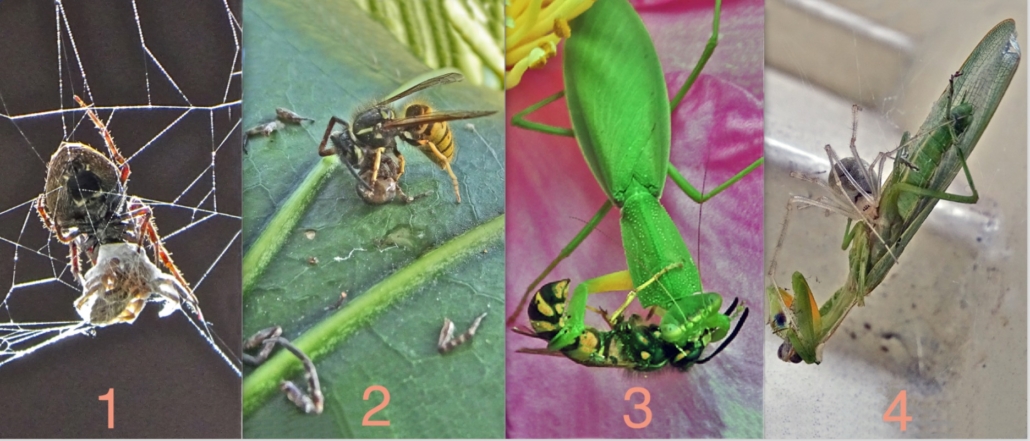
Chinaโ€™s leader in ecological urbanism, Kongjian Yu, completed 200 โ€˜sponge citiesโ€™ by allowing rivers room to spread; stop-banks only make the next flood worse. Two simple rules from Barry Commoner that I find useful are: Everything is connected; and Nature knows best (The Closing Circle, 1971). To illustrate this, below is a predator circle in my garden.


ABOVE: Predators, like weeds, are never simply good or bad: even introduced wasps โ€“ they stop cabbage white caterpillars eating brassicas. Pictured from left to right are: 1) spider eating spider, 2) wasp eating spider, 3) praying mantis eating wasp. 4) spider eating praying mantis.
Dr John E C Flux was an ecologist in the Ecology Division of DSIR for 35 years, Landcare Research for two years, and NZ Ecological Research Associates for 10 years, with a special interest in hares and starlings.
NZ Ecological Research Associates was a company set up at at AgResearch’s Wallaceville campus in Upper Hutt by a group of about 30 redundant DSIR staff, from Ecology, Botany, and Soil Bureau. There were also a few members in Auckland and Nelson, and the group worked on a wide range of things -including spiders on offshore islands, heather on Mt Ruapehu, swamp plants, pest control in orchards, new highway locations, and overseeing Zealandia’s fence construction. It disbanded about 15 years ago.

https://organicnz.org.nz/wp-content/uploads/sites/2/2025/04/Monarch-butterflies-ragwort-John-Flux-no-mow-garden.jpg 992 955 membership https://organicnz.org.nz/wp-content/uploads/sites/2/2024/09/OrganicNZ-2024-Masthead.png membership2025-04-16 14:23:052025-04-17 13:18:52Join the No-Mow movement!

Categories

  • All Articles
  • News
  • Features
  • Gardening
  • Health and Food
  • Farming and Horticulture
  • Building and Technology
  • Free Online

Latest Articles

  • Biochar, black gold and bananas
  • Parsley on chopping board with knife
    Parsley: More than just a garnish
  • Hardening off seedlings in mid spring
    Growing Vegetables: Mid spring โ€” hardening off
  • Kumera slips - moon calendar 2026
    Moon Calendar September-October 2026
  • Cabbage and mulch strip-till field trial at IGZ
    Clover under cabbage reduces harvest โ€” rye mulch keeps yields
  • Full moon seen from Amberley, Canterbury, New Zealand
    Your plants can see the moon: Science that deepens the Moon Calendar
  • Lettuces and watering can in home garden
    Worm juice and soil fungi: why compost alone isnโ€™t enough for juicy lettuce
  • Mandarins in a bowl
    Mandarins: Winter vitamin boost
  • 2026 Example calendar covers
    2027 Calendars
  • Fantail on tree branch
    Parable of the paddock edge
Soil & Health Association of NZ Established 1941

Proudly published by the Soil & Health Association NZ

  • About us
  • Contact us
  • Help us
  • Sign up to the Newsletter
ยฉ Copyright OrganicNZ | Soil and Health Association NZ.
  • Link to Facebook
  • Link to Instagram
  • Link to LinkedIn
  • Privacy Policy
  • Editorial Policy
Scroll to top Scroll to top Scroll to top