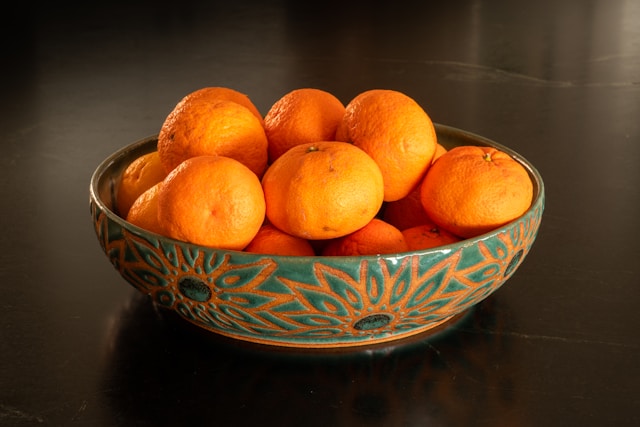
Mandarins: Winter vitamin boost
Easy to peel, naturally sweet and perfectly portable, these vibrant little citrus fruits are often vying for attention alongside oranges.
But mandarins definitely deserve their place as one of winter’s superstars, as Paula Sharp writes.
We hope you enjoy this free article from Organic NZ. Join us to access more, exclusive member-only content
Originally cultivated over a thousand years ago in China, mandarins were considered a symbol of good fortune and prosperity. Their name comes from the wealthy mandarin officials who prized these fruits.
Today, they are grown throughout many parts of the world, including New Zealand, where our cool winters and warm summers produce beautifully sweet citrus fruits from June to September.
Mandarins come wrapped in their own biodegradable packaging and require no preparation, making them one of the easiest healthy snacks to pop into a lunchbox, handbag or backpack.
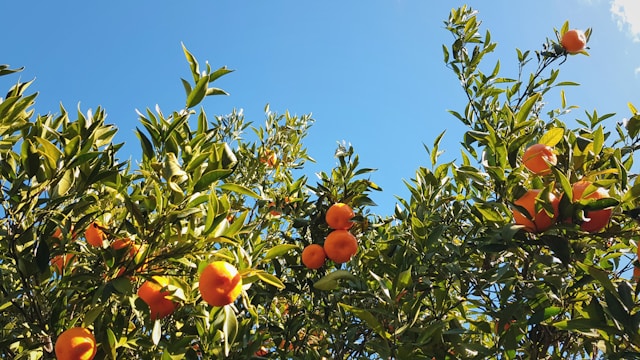
ABOVE: Mandarin tree | Photo by Brittany Lee on Unsplash
Naturally nutritious
One medium mandarin contains around 35–45 calories; it’s a satisfying snack without excessive energy intake. More importantly, it provides an impressive range of nutrients that support overall health.
Mandarins are an excellent source of vitamin C, providing around half of an adult’s daily recommended requirement in just one piece of fruit.
Vitamin C supports immune function, assists collagen production for healthy skin, joints and blood vessels and helps the body absorb iron from plant foods.
Mandarins are also rich in flavonoids, including hesperidin and naringenin: plant compounds that act as antioxidants. These compounds help reduce oxidative stress and support cardiovascular health by helping maintain healthy blood vessels.
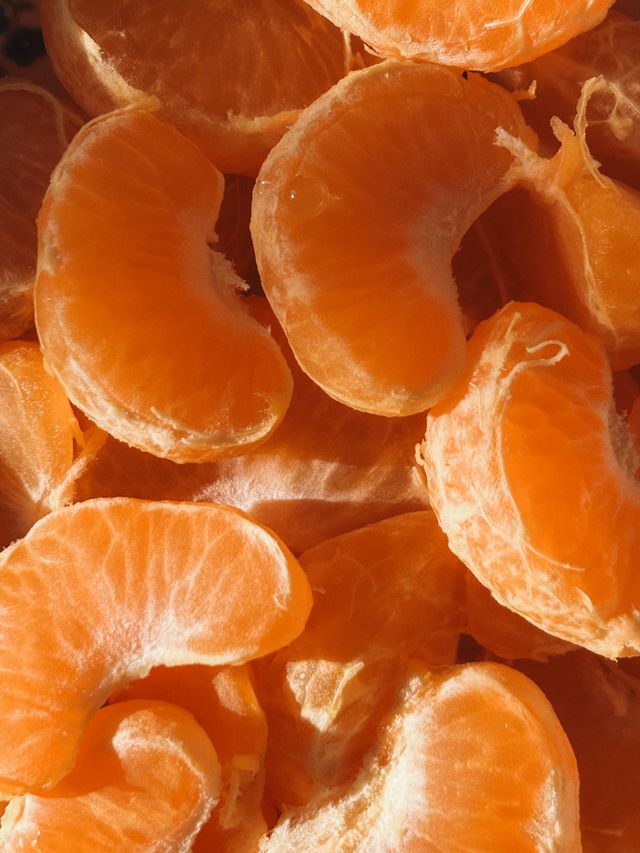
Photo: Anna Danilina, Pexels
Mandarins also contain:
- Potassium for healthy blood pressure
- Folate for cell repair and growth
- Fibre for digestive health
- Small amounts of calcium and magnesium
- Beta-cryptoxanthin, a carotenoid that supports eye health and immune function.
Mandarins arrive exactly when we need them most. During winter our immune systems face greater challenges from seasonal viruses and different bacteria. Regular intake of vitamin C-rich foods supports immune cell function and may reduce the duration of common colds.
Their bright colour also reflects their high carotenoid content: nutrients associated with reduced inflammation and healthy ageing. For older adults or small children, mandarins are particularly useful because they are soft, easy to chew and digest, and ideal for people with smaller appetites.
If you enjoy simple, grounded nutrition like this; practical, seasonal, and realistic, you can join Paula’s Sharp Bite newsletter for weekly insights, recipes, and support HERE.
The perks of pith and peel
Eating the whole mandarin provides more than just natural sweetness. Each segment contains dietary fibre, while the white pith, the fine, stringy layer under the peel, is one of the most nutritious parts of the fruit.
Rich in fibre and antioxidant plant compounds called flavonoids, the pith helps nourish beneficial gut bacteria, supports healthy digestion, promotes steadier blood sugar levels and helps keep you feeling satisfied for longer.
Rather than removing every trace of the pith, leave a little attached and enjoy.
Organic mandarins offer an extra nutritional bonus – the peel. After washing well, the zest can be grated into baking, porridge, overnight oats or yoghurt for an intense citrus flavour.
Dried peel can also be added to herbal teas or slow-cooked dishes. The aromatic oils found in the peel contain compounds that have traditionally been used to support digestion.
When using zest, always choose organically grown or spray-free fruit.
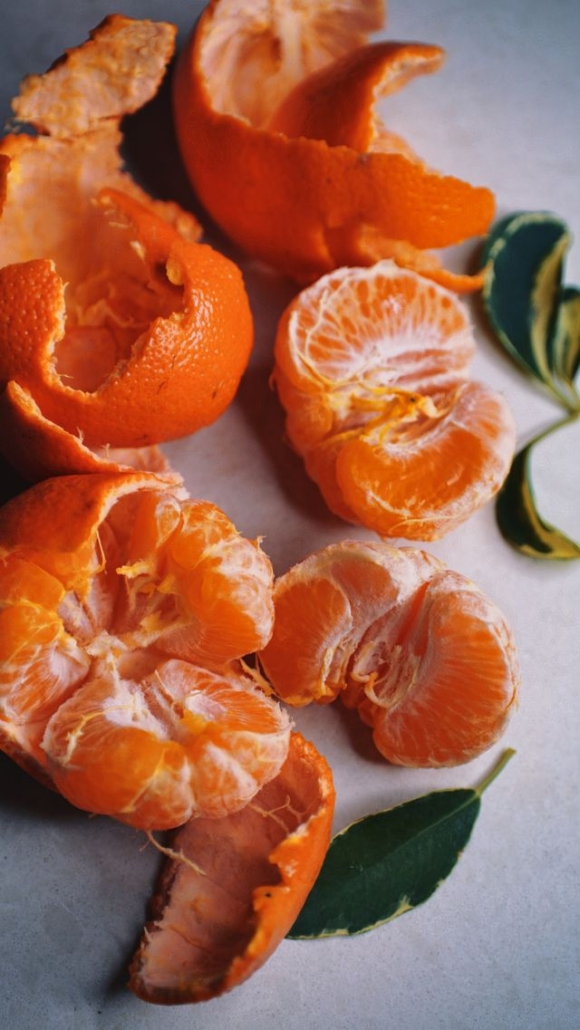
Photo: Aditya Bhatia, Pexels
How to choose, use and store
For the best quality, choose mandarins that feel heavy for their size with smooth, brightly coloured skin. Store them at room temperature if eating within a few days, or refrigerate them to extend their freshness for up to two weeks.
Adding one or two mandarins to your daily routine is one of the easiest nutritional upgrades you can make during winter. Enjoy one with breakfast, slice segments into salads, stir through grain bowls or pair with a handful of nuts for a balanced snack.
Sometimes the smallest changes make the biggest difference to long-term health, and mandarins are a delicious reminder that eating well doesn’t have to be complicated.
Mandarin recipes
Winter mandarin & fennel salad
Beautifully zingy with grilled fish or roast chicken. Serves 4
Ingredients
- 4 mandarins, peeled and segmented
- 1 fennel bulb, finely sliced (Florence fennel)
- 2 handfuls baby spinach
- ¼ cup toasted walnuts
- 40g crumbled feta
- 2 tbsp extra virgin olive oil
- 1 tbsp apple cider vinegar
- 1 tsp wholegrain mustard
- Salt and cracked pepper to taste
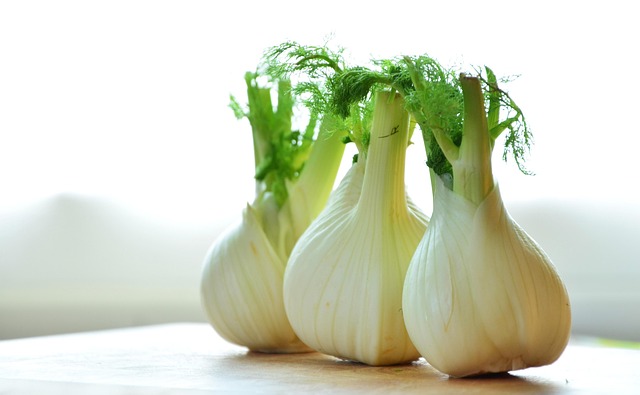
ABOVE: The crunch and mild aniseed flavour of Florence fennel pairs well with the soft sweetness of mandarins. Image by congerdesign from Pixabay
Method
- Arrange spinach, fennel and mandarin segments on a serving platter.
- Sprinkle over walnuts and feta.
- Whisk together olive oil, vinegar, mustard, salt and pepper. Drizzle over salad just before serving.
Mandarin & almond loaf
Delicious served warm with Greek yoghurt. Gluten-free, or you can use wheat flour instead of the almond meal.
Makes 1 loaf (10 slices)
Ingredients
- 2 whole organic mandarins
- 3 eggs
- ¼ cup honey
- 2 tbsp olive oil
- 2 cups almond meal
- 1 tsp baking powder
- 1 tsp vanilla
- 1 tsp cinnamon
- Pinch sea salt
- Flaked almonds for topping
Method
- Simmer whole mandarins for 40 minutes until soft. Cool slightly.
- Cut into quarters, remove seeds and blend (skin included) until smooth.
- Preheat oven to 180°C.
- Mix mandarin puree with eggs, honey, olive oil and vanilla.
- Fold in the almond meal, baking powder, cinnamon and salt.
- Pour into a lined loaf tin and sprinkle with flaked almonds.
- Bake for 35-40 minutes until golden and cooked through. Cool before slicing.
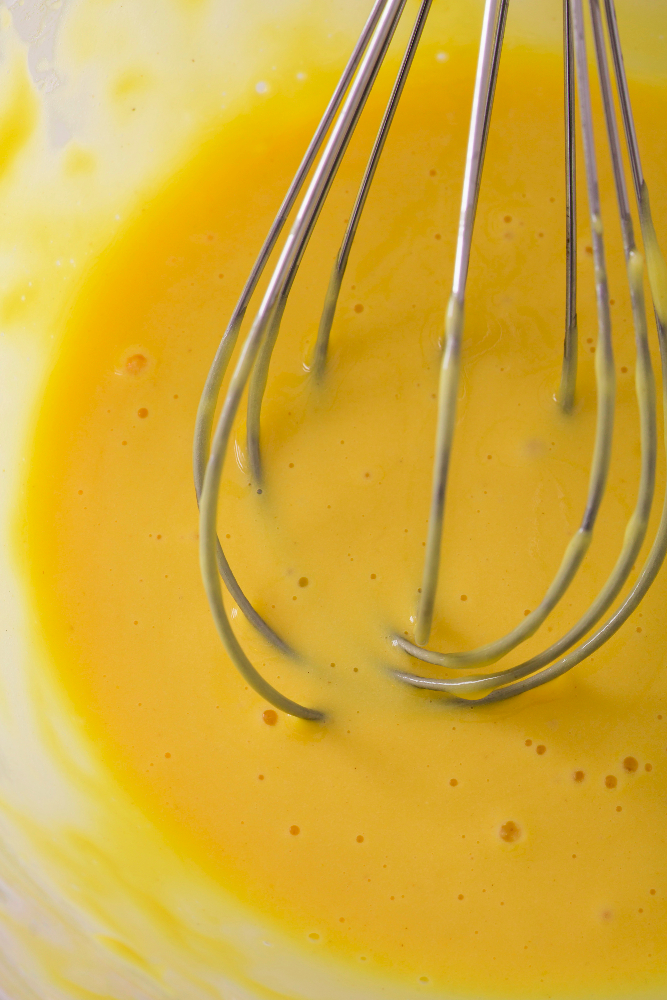
Photo: Magnific

Want more seasonal nutrition inspiration?
I’m Paula Sharp, nutritional therapist and founder of Paula Sharp Nutrition, supporting women to nourish their health with sustainable food and mindset habits.
If you’d like seasonal recipes, practical nutrition tips and evidence-based wellness insights delivered straight to your inbox, I’d love you to join my newsletter. Sign up at: www.paulasharpnutrition.com
Photo at top of article: Earl Wilcox on Unsplash