• Link to Facebook
  • Link to Instagram
  • Link to LinkedIn
Reset member access or visit Soil & Health NZ
Organic NZ
  • Articles
    • Features
    • Gardening
    • Health and Food
    • Farming and Horticulture
    • Building and Technology
    • News
  • Competitions
  • Donate
  • Login
  • Join Us
  • Click to open the search input field Click to open the search input field Search
  • Menu Menu

Tag Archive for: vegetable

Posts

Savoy cabbage

When cabbage is sexy!

29 Sep 26/in Free Online, Gardening, Health and Food, Magazine Articles


Cabbage might not seem to be the most glamorous vegetable in the garden, but give it a little attention and it rewards you with versatility, nourishment and weeks of good eating, as Paula Sharp writes.

We hope you enjoy this free article from Organic NZ.  Join us to access more, exclusive member-only content


There is something wonderfully satisfying about a cabbage. You plant one small seedling and, given the right conditions, it quietly gets on with the job of producing a substantial head of food. Unlike some of our more fleeting seasonal vegetables, cabbage is wonderfully forgiving. It stores well, feeds a crowd and can be eaten raw, steamed, roasted, stir-fried or fermented.

Variety and versatility

It also comes in far more forms than the tightly packed green cabbage many of us remember from childhood. Savoy cabbage has crinkly, tender leaves. Red cabbage brings beautiful colour to a winter slaw. Pointed or sweetheart cabbage is mild and naturally sweet, while Chinese cabbage has softer leaves that work beautifully in stir-fries and soups.

Nutrition for the gut and more
Cabbage belongs to the brassica family, alongside broccoli, cauliflower, Brussels sprouts, kale and bok choy. Like its brassica cousins, cabbage provides fibre, vitamin C, vitamin K and folate, along with a range of naturally occurring plant compounds.

Its fibre is particularly useful for supporting a healthy digestive system and eating cabbage as part of a varied diet also helps us feed the trillions of microorganisms living in our gut.

Then there is fermentation. Traditional fermented cabbage, such as sauerkraut and kimchi, use naturally occurring microorganisms to transform fresh cabbage into something completely different.

Fermented foods can be a useful addition to a varied diet, providing live cultures depending on how they are made and stored.

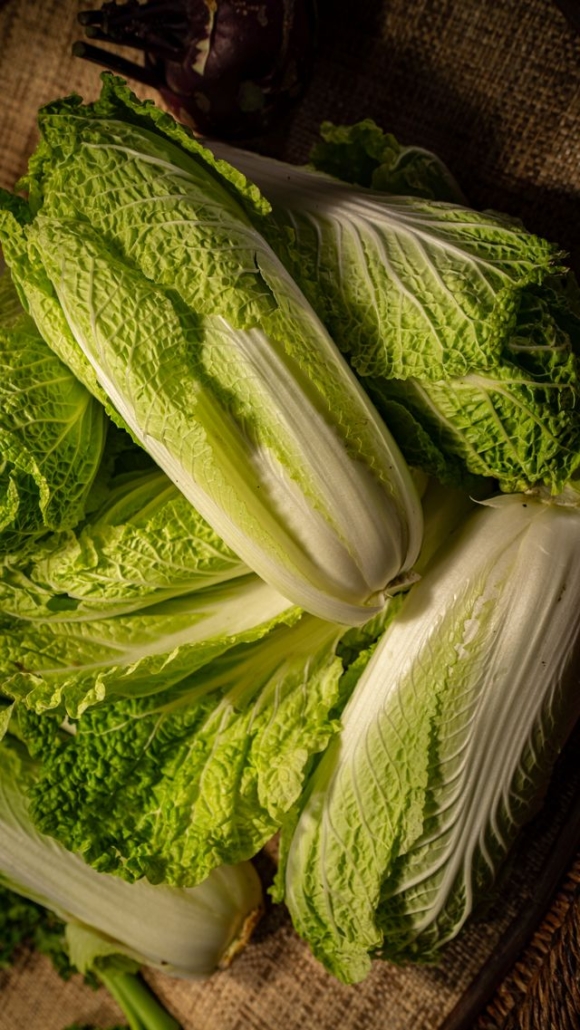
ABOVE: Wombok cabbage is great to use for kimchi. Photo: Undo Kim, Pexels

Serving and cooking tips

Don’t boil it to death! Perhaps cabbage has suffered from its reputation for being overcooked. The trick is to treat it with a little more respect. Slice it finely and eat it raw with apple, carrot and a sharp dressing. Cut it into wedges and roast it until the edges caramelise. Stir-fry it quickly with garlic and ginger. Or simply steam it until just tender and finish with butter or olive oil, lemon and plenty of black pepper.

Paula’s tip – don’t throw away the outer leaves or the core. The tougher outer leaves can be added to stock, while the crisp core is perfectly edible; finely sliced, it adds crunch to salads and slaws.
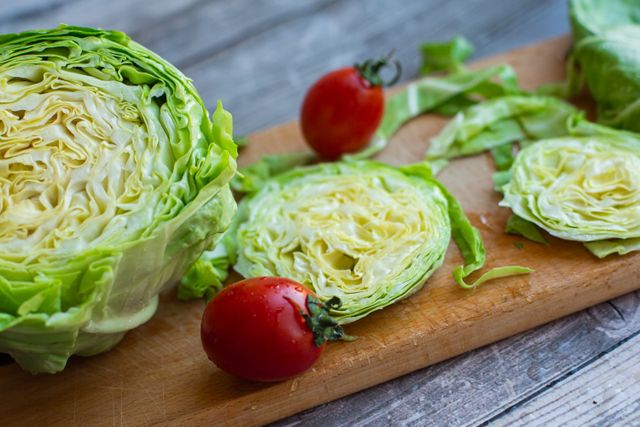
Photo: Victoria Emerson, Pexels

If you enjoy simple, grounded nutrition like this; practical, seasonal, and realistic, you can join Paula’s Sharp Bite newsletter for weekly insights, recipes, and support HERE.

Growing cabbages

If you’re growing cabbage organically, good soil preparation and regular watering will help plants establish well. Brassicas are hungry crops, so compost and well-nourished soil are your friends. Keep an eye out for the cabbage white butterfly and its green caterpillars, which can make short work of young plants. Fine insect netting is one of the simplest ways to protect them without resorting to sprays.

Once harvested, cabbage will keep for considerably longer than delicate salad greens. That makes it an excellent vegetable to have on hand when you want to eat well without constantly shopping. And perhaps that’s cabbage’s greatest strength. It isn’t fancy. It doesn’t need to be. It’s simply good food grown in the garden, picked when ready and transformed into something delicious with very little fuss.


Cabbage recipes

Easy homemade kimchi


Makes about 1 large jar (larger than the picture!)
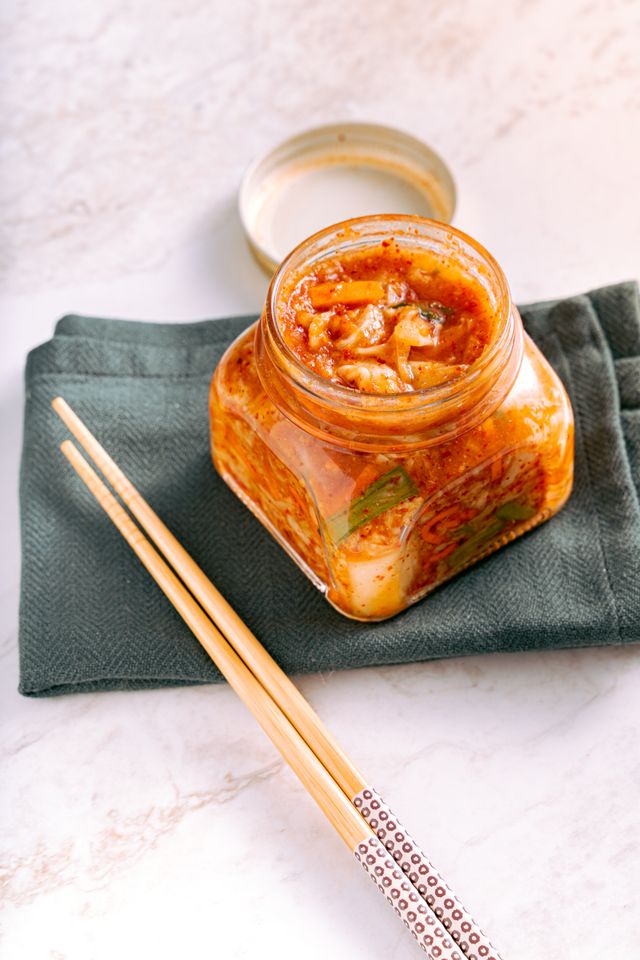
Jar of kimchi

Ingredients

  • 1 medium Chinese cabbage (wombok), about 1kg
  • 2 tbsp sea salt
  • 1 small carrot, cut into matchsticks
  • 4 spring onions, sliced
  • 3 garlic cloves, finely grated
  • 2cm piece fresh ginger, finely grated
  • 1–2 tbsp Korean chilli flakes (gochugaru), depending on how spicy you like it
  • 1 tbsp fish sauce (or use soy sauce or tamari)
  • 1 tsp sugar
  • 2 tbsp water

Photo: Antoni Shkraba, Pexels

Method

  1. Cut the cabbage into bite-sized pieces, removing the tough core.
  2. Place in a large bowl and sprinkle over the salt.
  3. Massage the salt through the cabbage and leave for 1–2 hours, turning it occasionally. The cabbage should soften and release some liquid.
  4. Rinse the cabbage thoroughly under cold water and drain well.
  5. Mix the garlic, ginger, chilli flakes, fish sauce, sugar and water into a paste.
  6. Add the cabbage, carrot and spring onions and mix well – clean hands are easiest!
  7. Pack the mixture firmly into a clean glass jar, pressing it down so the vegetables are below the liquid. Leave at least 2–3cm of space at the top.
  8. Cover loosely with a lid and leave at room temperature for 1–3 days, checking each day. You should see bubbles and notice a pleasantly sour, fermented smell.
  9. Once it tastes tangy enough for you, seal the jar and refrigerate. The flavour will continue developing in the fridge.

Paula’s tip: Fermentation is a living process, so don’t panic if your kimchi changes slightly in colour, smell or texture. However, if you see fuzzy mould or notice a genuinely rotten smell, throw it out.

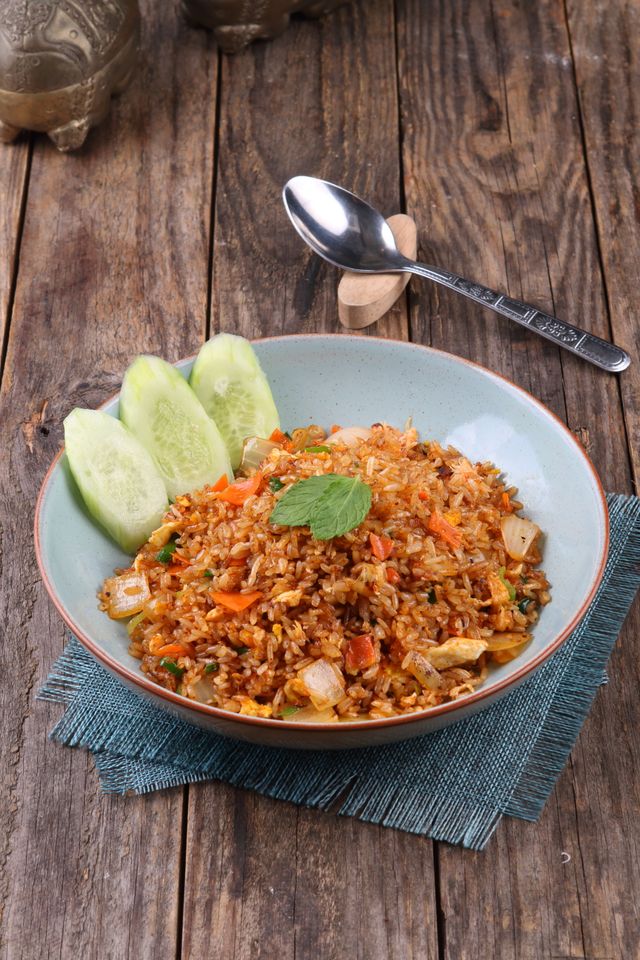
Easy vegetable nasi goreng

Serves 4

This is a great way to use up cabbage and whatever else is hanging around in the fridge.

Ingredients

  • 4 cups cooked cold rice
  • 2 tbsp coconut oil
  • 2 eggs
  • 2 garlic cloves, finely chopped
  • 1 small onion, finely sliced
  • 2 cups finely shredded cabbage
  • 1 carrot, julienned or grated
  • 1 red capsicum, thinly sliced
  • 1 cup frozen peas
  • 3 spring onions, sliced
  • 2 tbsp kecap manis (or 1½ tbsp soy sauce or tamari + 1 tsp honey or maple syrup)
  • 1 tbsp soy sauce or tamari
  • 1 tsp sesame oil
  • Juice of ½ lime
  • Fresh coriander
  • Optional: sliced fresh chilli

To serve

  • Lime wedges
  • Crispy fried shallots
  • Extra spring onion
  • Chilli
  • Chopped nuts (or even crunchy nut butter)

Photo: Undo Kim, Pexels
Method

  1. Heat a large wok or frying pan over high heat.
  2. Add a little oil and crack in the eggs. Scramble lightly, then remove to a plate.
  3. Add the remaining oil, followed by the onion and garlic. Stir-fry for a minute, then add the cabbage, carrot, capsicum and peas.
  4. Cook for 2–3 minutes; you want the vegetables cooked but still crisp.
  5. Add the cold rice and toss everything together over high heat.
  6. Add the kecap manis, soy sauce and sesame oil. Keep tossing until the rice is hot and lightly caramelised.
  7. Return the egg to the pan and add the spring onions. Finish with lime juice and coriander.

Optional: serve with lime wedges and, if you like, fresh chilli, crispy shallots and chopped nuts.


Paula’s tip: Cold, cooked rice is the secret to good nasi goreng.
Freshly cooked rice tends to become soft and sticky. Leftover rice from the night before is perfect.

Want more seasonal nutrition inspiration?

I’m Paula Sharp, nutritional therapist and founder of Paula Sharp Nutrition, supporting women to nourish their health with sustainable food and mindset habits.

If you’d like seasonal recipes, practical nutrition tips and evidence-based wellness insights delivered straight to your inbox, I’d love you to join my newsletter. Sign up at: www.paulasharpnutrition.com

Photo at top of article: Savoy cabbage, Pexels-Pixabay

https://organicnz.org.nz/wp-content/uploads/sites/2/2026/09/pexels-pixabay-savoy-cabbage209482.jpg 427 640 membership https://organicnz.org.nz/wp-content/uploads/sites/2/2024/09/OrganicNZ-2024-Masthead.png membership2026-09-29 17:11:292026-09-29 17:14:42When cabbage is sexy!
Hardening off seedlings in mid spring

Growing Vegetables: Mid spring — hardening off

28 Aug 26/in Free Online, Gardening, Magazine Articles

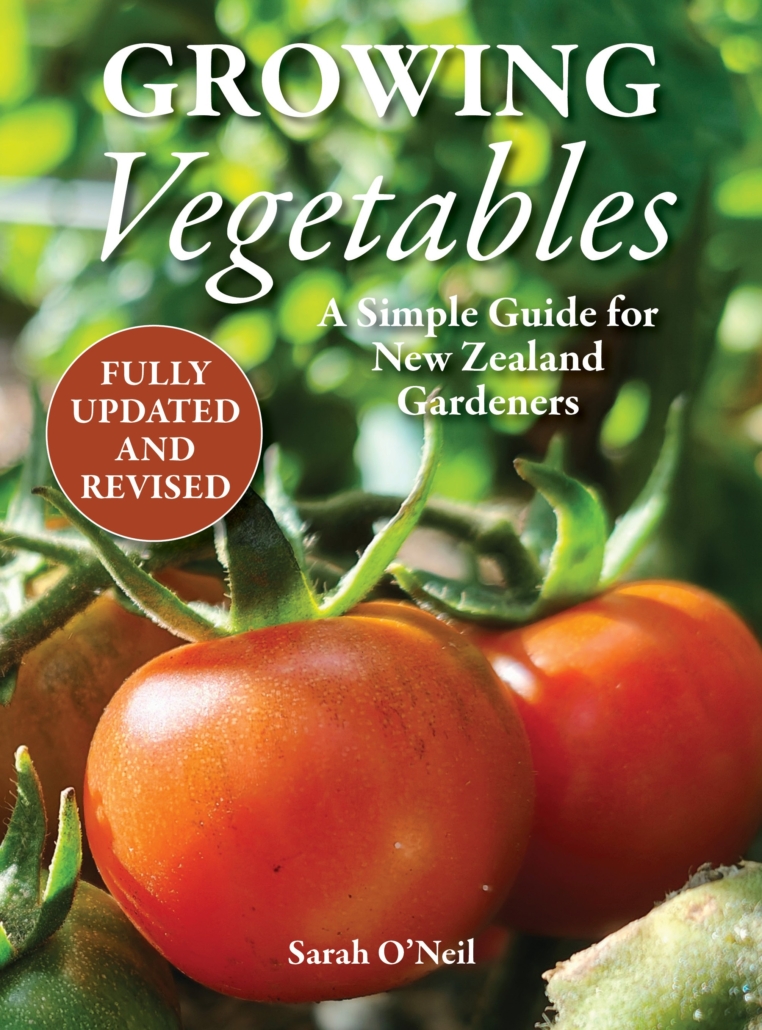
Growing Vegetables is a revised and updated edition of Waiuku gardener Sarah O’Neil’s book.

This accessible, user-friendly guide guides the reader through the seasons with practical gardening information about the soil, weeds, crop rotation and much more — all specific to Aotearoa New Zealand. There’s also space for your own notes and observations.

Here is an extract from the book, from the mid spring chapter, on hardening off your vege seedlings.

We hope you enjoy this free article from Organic NZ.  Join us to access more, exclusive member-only content

Extracted from Growing Vegetables: A Simple Guide for New Zealand Gardeners by Sarah O’Neil $39.99 RRP, White Cloud Books from Upstart Press

Hardening off

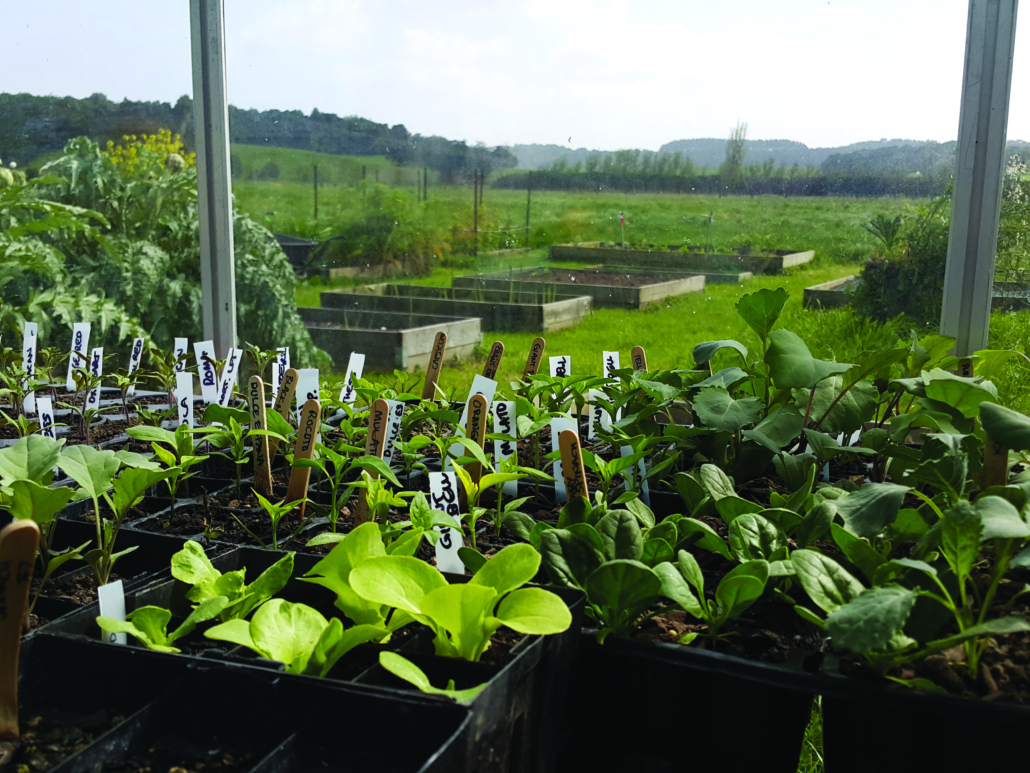
By now [mid spring], you should have some lovely healthy seedlings, however, don’t be tempted to plant them out — not yet. It may seem lovely and warm outside, but the thing is, it is not safe for the plants to go out yet. They need to be prepared for the big wide world.

They need to get used to the climate in your garden. It will be quite different from the cosy warmth of the greenhouse or windowsill. If you just planted them straight out from indoors into the garden they won’t like it. It is a harsh world out there. They could go into what is known as ‘transplant shock’ and slow or stop growing. They need to acclimatise. It could cause long-term damage that would result in stunted plants, a reduced harvest or in some cases, death.

Cucumbers can be particularly fussy if the weather isn’t warm enough. You have to ease them into the real world, like a reluctant swimmer getting into a cold swimming pool . . . Slowly and gently.

The process

1. About a week or two before your last frost date, in the morning take all your plants and put them outside in a warm sunny spot out of the breeze and leave them there all day and bring them in again at night.

2. The next day put them back outside and this time allow them to feel a gentle breeze through their leaves and put them away again at night.

3. Continue this each day for at least a week and ideally two weeks, gradually exposing them to the full extent of the weather they would experience in the garden.

4. Towards the end of this in-and-out routine, in a sheltered spot where they would be protected from any possible frost, leave them out overnight a couple of times.

5. Then come the date it is safe to plant them out, they will be completely acclimatised to life on the outside and will slip into the garden without even noticing too much that life has changed and will continue growing happily.

6. Watering them in with a seaweed solution can help minimise the shock and help the roots to establish in the new location.

7. I can’t say it enough: Don’t trust the weather! There is always a risk of a late frost, so just to be safe — keep one eye on the overnight forecast and keep some frost cloth handy.

This is why we grow spare seedlings, in case of disaster.

Don’t feel you have to plant your seedlings out on the last frost date. This is the ‘first’ date where it is deemed safe to plant things out — not the ‘only’ date.

If your seedlings are too small — less than about 6cm or don’t look strong enough, leave them inside for another week or so. It won’t harm them and in fact you are doing them a favour, and they will get a better start to life on the outside.

Wind — a blessing and a curse

Plants exposed to a mild wind grow stronger and thicker than those in a sheltered position as their cell walls adapt to the conditions and make the plant more resilient.

If you take a plant straight from the greenhouse or sunny windowsill and plant it in the garden, not only will it be shocked by the temperature, but it will be skinny and weak and not as prepared for life in the garden as a plant that had been hardened off properly. Although take care, if the wind is too strong it can burn the leaves and dry out the soil. You will need to use your judgement. If it is too windy while hardening off your plants, put them in a sheltered place or keep them tucked up indoors.


Soil dried out by the wind can become so dry that it actually repels water and normal watering won’t fix it. What you need to do is to immerse the whole plant in a bucket of water. Some seaweed solution will help here, too.
Float the pot and allow it to sink to the bottom in its own time, then wait until the bubbles stop coming and then a little bit longer and pull the plant out of the bucket and let it drain. You will find that the soil has rehydrated and you can carry on as normal.

Take note

What is going on in your garden?


Is the garden ready to plant into? Have you begun hardening off? What is the weather like?


Gardener Sarah O’Neil lives with her family beside the sea at Waiuku.

Find out more at her website here, where she has a blog, photos, podcasts and videos.

Text and photos: Sarah O’Neil


https://organicnz.org.nz/wp-content/uploads/sites/2/2026/08/ONLY-FOR-USE-WITH-BOOK-EXTRACT-p52-of-Growing-Vegetables-book-hardening-off-seedlings-LOWER-RES.jpg 491 655 membership https://organicnz.org.nz/wp-content/uploads/sites/2/2024/09/OrganicNZ-2024-Masthead.png membership2026-08-28 13:47:502026-08-28 13:47:51Growing Vegetables: Mid spring — hardening off

Categories

  • All Articles
  • News
  • Features
  • Gardening
  • Health and Food
  • Farming and Horticulture
  • Building and Technology
  • Free Online

Latest Articles

  • The Health Detective’s Handbook
  • Savoy cabbage
    When cabbage is sexy!
  • Peter Butler
    Plant fiend
  • A life of plants, food and foraging
  • Ross Vintiner of Dali Olives holding a handful of Johnson-Su compost
    Organic probiotic for the soil
  • Biochar, black gold and bananas
  • Parsley on chopping board with knife
    Parsley: More than just a garnish
  • Hardening off seedlings in mid spring
    Growing Vegetables: Mid spring — hardening off
  • Kumera slips - moon calendar 2026
    Moon Calendar September-October 2026
  • Cabbage and mulch strip-till field trial at IGZ
    Clover under cabbage reduces harvest — rye mulch keeps yields
Soil & Health Association of NZ Established 1941

Proudly published by the Soil & Health Association NZ

  • About us
  • Contact us
  • Help us
  • Sign up to the Newsletter
© Copyright OrganicNZ | Soil and Health Association NZ.
  • Link to Facebook
  • Link to Instagram
  • Link to LinkedIn
  • Privacy Policy
  • Editorial Policy
Scroll to top Scroll to top Scroll to top