Drawing on over 40 years of experience, nutrition and exercise specialist Susan Birch explains in her new book how metabolism, hormones, food, movement, sleep and stress work together to influence your energy, weight, mood and overall health.
In this extract she looks at the influence of our ancestral genetics on our diets.
We hope you enjoy this free article from OrganicNZ. Join us to access more, exclusive member-only content
Genetic adaptation – the slow pace of change
The transition from hunter-gatherer societies to agriculture marked a major shift in human diets. Over the past century, this shift has accelerated, leading to the year-round consumption of processed foods, containing refined carbohydrates and PUFAs (polyunsaturated fatty acids). This is a stark contrast to the seasonal diets of our ancestors. Alongside these dietary changes, modern food manufacturing has introduced entirely new ingredients that our bodies haven’t evolved to process.
Our genetic programming still aligns with ancestral conditions: whole foods, food scarcity, and seasonal variation. We haven’t adapted to the constant availability of ultra-processed, energy-dense foods, which make overeating easy and contribute to the growing burden of chronic metabolic disease. This mismatch between our physiology and modern diets has profound health consequences.
Genetic adaptation is a slow process, unfolding over thousands of years in response to environmental pressures. But the rapid dietary changes of recent decades have outpaced our evolutionary capacity to adapt. This imbalance is a key driver behind the prevalence of chronic diseases today.
Modern medicine complicates this dynamic further. Treatments for lifestyle-related conditions reduce the selective pressures that would normally drive genetic adaptation. When pharmaceuticals manage diseases like obesity and diabetes, the natural motivation to modify our behaviours and change our diet weakens. This delay in genetic evolution, combined with medical interventions, perpetuates many modern health issues.
Lactose tolerance is an example of slow genetic adaptation. Populations with a history of dairy farming, such as those in Europe, Africa and the Middle East, developed this trait around 7500 years ago. Other populations, lacking this history, remain largely lactose intolerant. Similarly, some populations have adapted to wheat and grains, like those in the Fertile Crescent, while others, such as Northern Europeans and non-Western groups, often exhibit gluten intolerance and inflammation.
In East Asia, people adapted to a rice-based diet, while in the Americas, maize became a staple. East Asians also adapted to metabolise soy and its phytoestrogens efficiently, potentially contributing to lower rates of breast cancer and heart disease. In contrast, populations newly introduced to soy may face digestive and hormonal issues due to genetic variations in enzyme activity and hormonal regulation.
These examples illustrate how genetic diversity shapes our dietary tolerances, and why evolutionary history matters when choosing what to eat. Understanding these variations helps explain why some diets work better for certain people, and highlights the value of food choices that are most consistent with our genetic heritage.
Author bio
Susan Birch is the Health Detective, a passionate health advocate with a Master’s in Health Sciences and over 40 years’ experience in nutrition and exercise science. Now based in the Eastern Bay of Plenty, she enjoys mountain biking, kayaking and weightlifting.
The Health Detective’s Handbook is available via the author’s website, or via Amazon.
https://organicnz.org.nz/wp-content/uploads/sites/2/2026/09/the-health-detective-handbook.jpg690460membershiphttps://organicnz.org.nz/wp-content/uploads/sites/2/2024/09/OrganicNZ-2024-Masthead.pngmembership2026-09-29 22:35:362026-09-29 22:35:37The Health Detective’s Handbook
One of the most complex systems supporting your health isn’t your brain, heart, or even your immune system – it’s your gut microbiome.
Nutritional therapist Paula Sharp finds out why this internal ecosystem, composed of trillions of microorganisms, is hailed by scientists as key to health research.
We hope you enjoy this free article from OrganicNZ. Join us to access more, exclusive member-only content
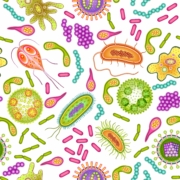
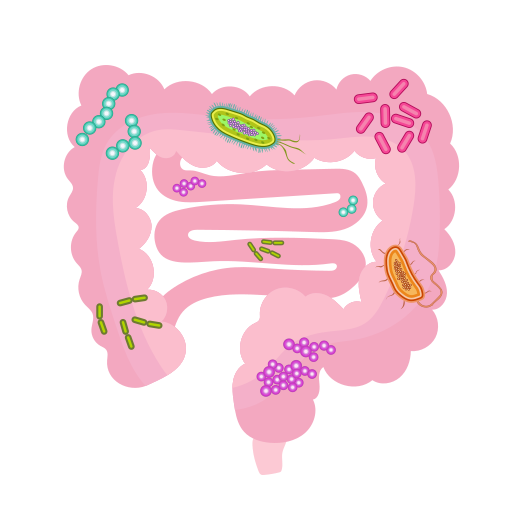
Your gut microbiome is the diverse community of bacteria, viruses, fungi, and other microbes residing primarily in your large intestine.
They are microscopic, but have an enormous collective impact. They have essential roles in digesting food, modulating inflammation, and influencing brain health.
The microbiome also builds and regulates most of our immune function.
Image: DataBase Center for Life Science, Wikimedia Commons
What is the gut microbiome?
Imagine a rainforest inside your body, teeming with life. Like any ecosystem, the gut microbiome thrives on diversity and balance. This community of microorganisms works together to help you break down fibre, extract nutrients, synthesise vitamins (such as B12 and K), and produce beneficial short-chain fatty acids.
While we tend to think of bacteria as harmful, the majority living in your gut are either beneficial or neutral. These microbes co-evolved with us and perform tasks we cannot do on our own—such as fermenting non-digestible carbohydrates or keeping pathogenic (harmful) bacteria in check.
It’s estimated that the human gut contains between 300 to 1000 different species of bacteria, with every individual having a unique microbiome signature, influenced by genetics, diet, environment, and lifestyle.
The microbiome’s role in the body
Research over the past decade has dramatically changed our understanding of the gut microbiome. Once considered a passive system, it’s now seen as an active organ in its own right, interacting with nearly every physiological process.
1. Digestion and nutrient absorption
Gut microbes help break down complex carbohydrates, such as dietary fibre, that we can’t digest on our own. The fermentation of fibre by certain bacterial strains produces short-chain fatty acids (SCFAs) like acetate, propionate, and butyrate. These SCFAs are anti-inflammatory and nourish the cells lining the colon.
2. Immune system regulation
About 70% of your immune cells reside in the gut lining. A healthy microbiome helps maintain the balance between immune tolerance (not reacting to harmless substances) and defence (attacking pathogens). An imbalanced microbiome may contribute to autoimmune conditions – in which the body mistakenly attacks its own healthy cells – and chronic inflammation.
3. Gut–brain axis
The gut-brain axis describes the two-way communication between the gut and the central nervous system. Through neural, hormonal, and immunological pathways, the gut influences mental health.
Certain strains of bacteria, particularly lactobacillus and bifidobacterium produce neurotransmitters like serotonin and GABA, these improve mood and cognitive function.
Image: Jill Wellington / Pexels
However, some bacteria mimic and interfere with these neurotransmitters. E-coli, campylobacter and clostridium are some of the bacterial culprits which release inflammation causing compounds (or toxins) causing mood to dip, anxiety to increase and sleep to be compromised.
Emerging evidence even links gut health to neurodevelopmental conditions like autism spectrum disorder and degenerative diseases such as Parkinson’s disease.
What disrupts the microbiome?
Despite its resilience, the gut microbiome is highly sensitive to changes in our environment and behaviour. Modern lifestyles, particularly in industrialised nations, are often hostile to microbial diversity.
1. Dietary factors
Diets high in ultra-processed foods, added sugars, and low fibre reduce beneficial species and encourage the overgrowth of pathogenic bacteria, which are otherwise not a problem when the microbiome is balanced.
Excessive alcohol consumption and low intake of plant-based foods limit microbial diversity.
Image: Foodie Factor / Pexels
2. Medications
Antibiotics, while lifesaving, can wipe out both good and bad bacteria, potentially leading to long-term imbalance.
Medications that reduce stomach acids, NSAIDs (non-steroidal anti-inflammatory medications), and artificial sweeteners all negatively alter the gut microbiome.
3. Lifestyle stressors
Chronic stress or cortisol poisoning is felt in the gut. The stress-hormone response increases intestinal permeability (leaky gut) and impairs microbial balance. This can show up as stress diarrhoea, nervous urination, nausea and ‘tummy ache’ in the lower abdomen. Is it just butterflies in your tummy, or compromised gut health?
Poor sleep quality disrupts the circadian rhythm of gut microbes. Sedentary behaviour has also been associated with reduced microbial diversity.
Eight ways to nurture your gut microbiome
Restoring and maintaining a healthy gut doesn’t require drastic changes. Simple, evidence-based strategies such as the following can support your microbiome’s resilience and diversity:
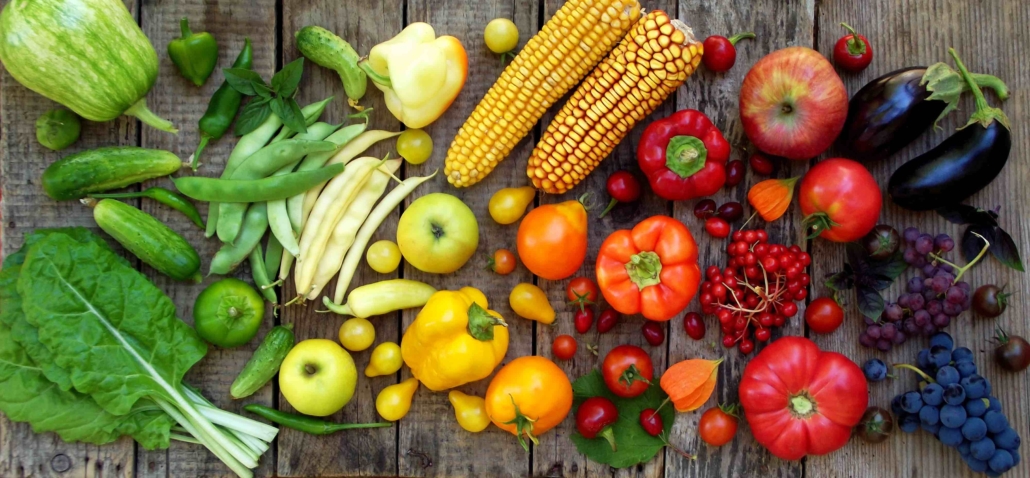
1. Eat a diverse range of whole foods
A variety of fibre-rich foods feeds different bacterial strains. Aim for 30+ plant types per week, including vegetables, fruits, nuts, seeds, legumes, herbs, and whole grains.
Image: Oksana S / iStock
2. Prioritise prebiotics and probiotics
Prebiotics are non-digestible fibres that act as food for beneficial bacteria. Sources include garlic, onions, leeks, asparagus and bananas.
Probiotics are live bacteria found in fermented foods like yoghurt, kefir, kimchi, sauerkraut, and miso. These can help restore microbial balance, especially after antibiotic use.
3. Minimise ultra processed foods
Artificial additives, emulsifiers, and preservatives in highly processed foods harm microbial communities and contribute to metabolic dysregulation.
Many of them contain MSG (monosodium glutamate), thickeners, and phosphoric acid as additives. Taste has been enhanced with lab-produced flavourings such as ‘cheese flavour’, ‘strawberry flavour’, ‘honey flavour’. And the preservatives of choice are sulphates, sodium and/or sorbates. Food labels can feel like a minefield, but if you don’t recognise what’s on the label, it can be considered ultra processed food.
4. Stay hydrated
Water is essential for maintaining a healthy gut lining and aiding fibre fermentation.
5. Move your body
Regular exercise has been linked to increased diversity and abundance of health-promoting bacterial strains.
6. Manage your stress
Mind-body techniques such as meditation, breathwork, or gentle movement like yoga can regulate the gut-brain axis and reduce inflammation.
Yoga on the beach (image: LucidSurf/istock)
7. Sleep consistently
A regular sleep schedule supports the natural circadian rhythms of your gut bacteria, which influence digestion and hormone production.
8. Consider supplementation carefully
While probiotic and prebiotic supplements can be helpful, they’re not one-size-fits-all. It’s best to consult a qualified health professional to tailor recommendations to your needs.
The microbiome and the future of health
We’re just scratching the surface of microbiome science. With emerging links to conditions as diverse as type 2 diabetes, cardiovascular disease, allergies, skin conditions, and even cancer, researchers believe the microbiome may soon be a central focus for personalised and preventive medicine.
Microbiome testing and interventions may one day guide us in choosing the best foods, therapies, or even medications based on our internal microbial profile.
The gut microbiome represents a new lens through which we can understand health, illness, and healing. It’s not about striving for perfection—but rather cultivating balance.
By eating real food, managing stress, staying hydrated, and treating your gut with respect, you can positively influence not just your digestion, but your immunity, energy levels, mood, and long-term vitality.
AUTHOR BIO: Paula Sharp is a nutritional therapist working one-to-one via Zoom to support women’s health, restore gut health and digestion, hormonal balance, skin and hair, sleep, shifting weight and health pre- and post-surgery. www.paulasharpnutrition.com
She is also a guest speaker, giving talks to companies on nutrition and mindset. In London she worked in the organic fruit and vegetable industry, and now she is based in Whakatāne, growing her own extensive spray-free garden.
https://organicnz.org.nz/wp-content/uploads/sites/2/2025/06/OIUGV60credit-Designed-by-Macrovector-Freepik-scaled.jpg25602560Staff Writerhttps://organicnz.org.nz/wp-content/uploads/sites/2/2024/09/OrganicNZ-2024-Masthead.pngStaff Writer2025-07-10 15:27:182025-07-17 17:49:29The Gut Microbiome