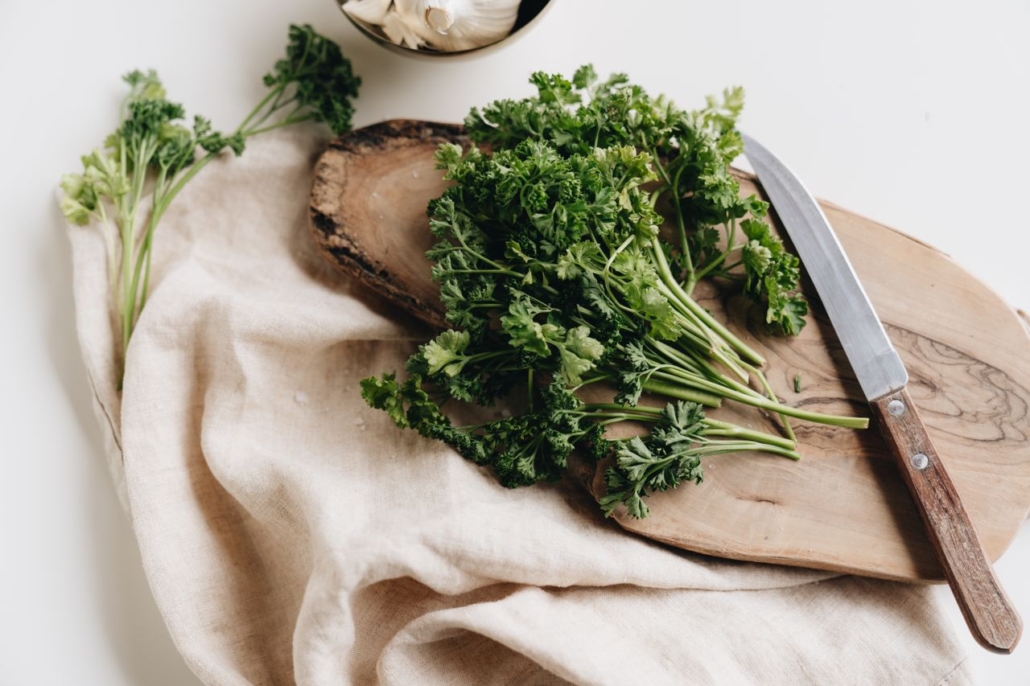
Parsley: More than just a garnish
There are some foods that quietly get on with the job without demanding much attention.
Parsley is one of them. Paula Sharp shines a light on this humble herb that also deserves to be considered a vegetable.
We hope you enjoy this free article from Organic NZ. Join us to access more, exclusive member-only content
Often sprinkled over a meal almost as an afterthought, this hardy little herb can be more than a pretty finishing touch. It brings flavour, colour and a surprising range of nutrients and plant compounds to the plate. It is particularly fabulous during winter to add a little more freshness and variety to our meals.
Growing parsley
Parsley is relatively easy to grow in most parts of New Zealand.
Give it reasonable sunshine, good soil and regular watering and it can keep producing through the cooler months.
It doesn’t need much space, making it ideal for a garden, raised bed or even a pot outside the kitchen door.
Grow it from seed or seedlings – ask around your neighbourhood if anyone has self-sown seedlings to spare. Once it’s established you can let it go to seed and watch it pop up of its own accord.
It is biennial, meaning it will set seed in its second year, so to ensure continuous supply you may need to sow or plant parsley a couple of years in a row.
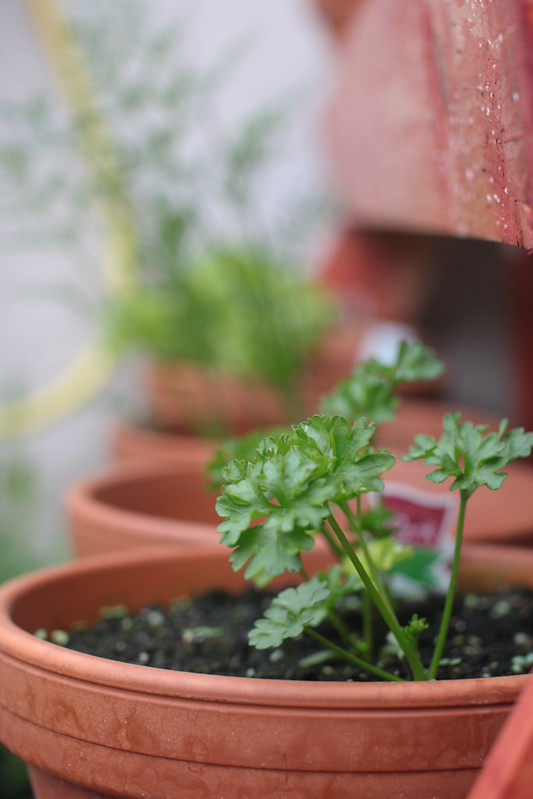
ABOVE: Parsley grows easily in a pot. Photo: Magnus Franklin, Flickr
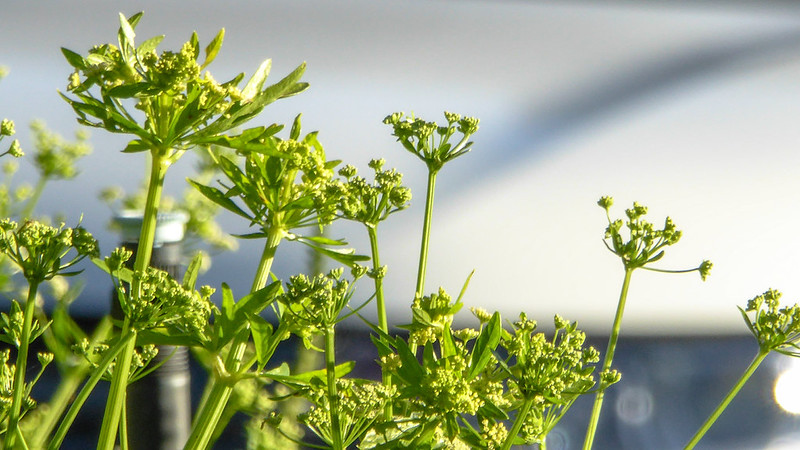
ABOVE: Parsley going to seed, by Theen Moy, Flickr
Packed with nutrients
If you already have parsley growing, here’s your encouragement to stop thinking of it as a garnish and start thinking of it as food.
Parsley may be small, but it is surprisingly nutrient-dense. It provides:
- Vitamin K – important for normal blood clotting and maintaining healthy bones.
- Vitamin C – contributes to normal immune function and helps the body absorb iron from plant foods.
- Folate – needed for normal cell division and the formation of healthy red blood cells.
- Carotenoids – Including beta-carotene, lutein and zeaxanthin, naturally occurring plant compounds.
- A variety of phytochemicals – the natural compounds found in plants that contribute to their colour, flavour and aroma and help protect plants from environmental stress.
Eat a variety of plants
Of course, we’re not going to meet all our nutritional needs from a handful of parsley. But that’s not really the point. One of my favourite nutrition messages is simply: eat a variety of plants.
Different plants provide different combinations of vitamins, minerals, fibre and phytochemicals. Rather than eating the same three or four vegetables week after week, look for easy ways to increase the variety on your plate. And this is where herbs are brilliant.
A generous handful of parsley adds another plant to your diet while bringing a completely different flavour and collection of plant compounds to the meal. Think of herbs as small but mighty contributors to dietary diversity.
You don’t need to overhaul your diet. Add a handful of parsley here, some fresh herbs there, try a different vegetable next week and gradually your plant variety starts to grow.
VITAMIN K:
A note about vitamin K – parsley is particularly high in vitamin K. If you take warfarin or another vitamin-K-sensitive anticoagulant, the important thing isn’t necessarily to avoid parsley altogether, but to keep your intake of vitamin-K-rich foods consistent and follow your healthcare professional’s advice.
Flavour and savour
Did you know there are different types of parsley? The two most familiar are curly-leaf parsley, with its frilly leaves and slightly milder flavour, and flat-leaf or Italian parsley, which has broader leaves and a stronger, fresher flavour.
Both have a place in the kitchen, but flat-leaf parsley is particularly lovely when you want the herb itself to be a feature rather than simply a decoration.
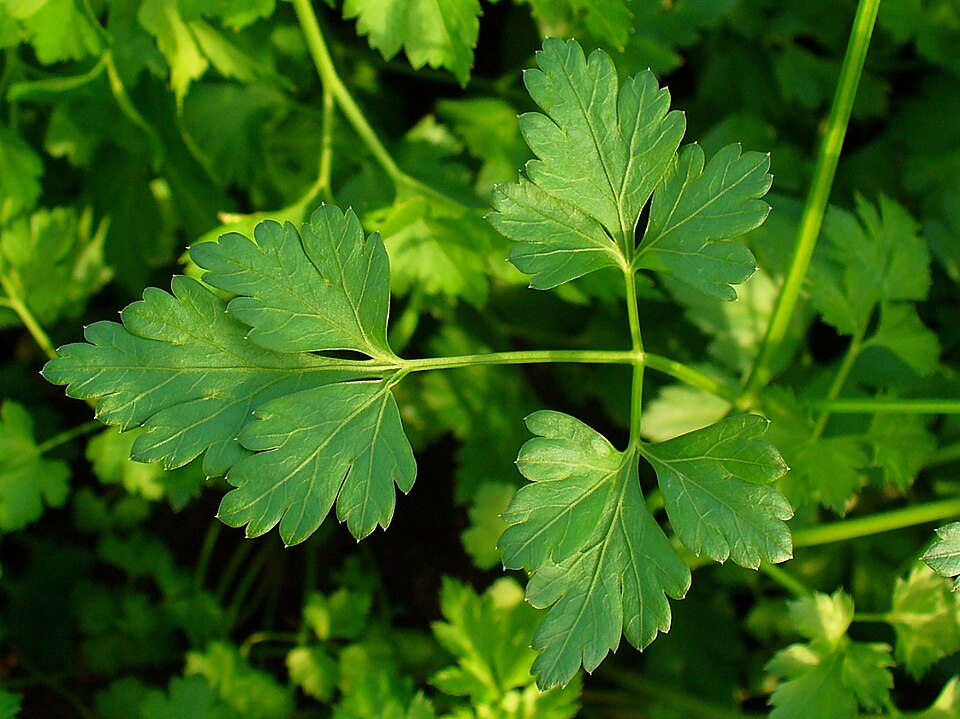
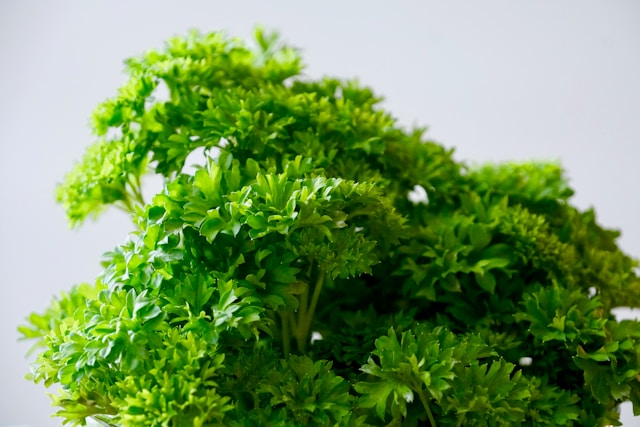
ABOVE LEFT: Flat-leaf parsley (photo: H Zell, Wikimedia Commons), and RIGHT: curly-leaf parsley (Hanna Stolt, Unsplash)
Don’t throw away the stalks. The tender stalks are perfectly edible and packed with flavour. Finely chop them into soups, sauces, stocks, casseroles, dressings or salads. It’s a simple way to reduce food waste while getting more from the bunch. Put parsley to work!
Serving suggestions
Fresh parsley can lift the flavour of winter foods beautifully. Try chopping a generous handful and adding it to:
- Vegetable, chicken or lentil soup
- Roasted kūmara, pumpkin or carrots
- Mashed potato or cauliflower
- Scrambled eggs or omelettes
- Homemade dips
- Fish cakes or meatballs
- Brown rice, quinoa or other grain salads
- A simple lemon and olive oil dressing
It brings freshness, colour and flavour without needing much else. And there is something particularly satisfying about stepping outside just before dinner, snipping a handful of herbs and taking them straight into the kitchen.
Next time you see that little bunch of parsley sitting in the fridge, don’t save it for decoration.
Chop it. Eat it. Enjoy it!
Sometimes the simplest foods are the ones we overlook.
Recipe
Parsley & lemon dressing
This takes just minutes to make and is a delicious way to use a generous amount of parsley rather than just a garnish.
Ingredients
- 1 large handful fresh parsley, finely chopped
- Juice and zest of 1 lemon
- 3 tablespoons extra virgin olive oil
- 1 small garlic clove, finely grated
- 1 teaspoon Dijon mustard
- A pinch of sea salt
- Freshly ground black pepper
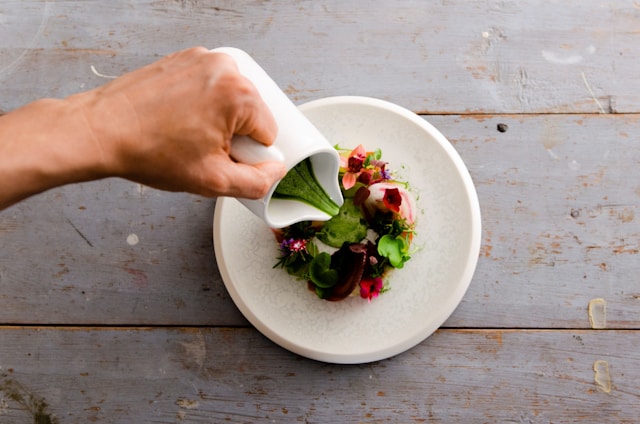
ABOVE: Aaron Blanco Tejedor, Unsplash
Method
- Mix everything together and drizzle over roasted vegetables, fish, chicken, potatoes or a warm grain salad.
- Store any leftovers in a sealed jar in the refrigerator and use within a few days.
Parsley tabbouleh
Serves 4. This is a show-stopper at a barbecue!
- 1 cup cooked bulgur wheat, cooled
- 2 large handfuls fresh flat-leaf parsley, finely chopped
- ½ cup fresh mint leaves, finely chopped
- 2 large tomatoes, finely diced
- ½ small cucumber, finely diced
- 2 spring onions, finely sliced
- Juice of 1 large lemon
- 3 tbsp extra virgin olive oil
- ½ tsp ground cumin
- Sea salt and freshly ground black pepper

ABOVE: Ali Dashti, Pexels
- Place the cooled bulgur in a large bowl and fluff with a fork.
- Add the parsley, mint, tomatoes, cucumber and spring onion.
- Whisk together the lemon juice, olive oil and cumin, then pour over the salad.
- Toss well and season with salt and pepper.
- Leave to stand for 15–20 minutes before serving so the flavours can mingle.

Want more seasonal nutrition inspiration?
I’m Paula Sharp, nutritional therapist and founder of Paula Sharp Nutrition, supporting women to nourish their health with sustainable food and mindset habits.
If you’d like seasonal recipes, practical nutrition tips and evidence-based wellness insights delivered straight to your inbox, I’d love you to join my newsletter. Sign up at: www.paulasharpnutrition.com
Photo at top of article: