Posts

Green kiwifruit

Kiwifruit: Treasures in red, gold and green


There’s something quietly satisfying about growing the fruit that put New Zealand on the global produce map.

Kiwifruit has become so woven into our national identity that itโ€™s easy to forget it isnโ€™t actually native here at all, and its journey from a fuzzy Chinese curiosity to a backyard favourite is a story worth knowing.

Paula Sharp finds out more.

We hope you enjoy this free article from Organic NZJoin us to access more, exclusive member-only content

Chinese origins

Kiwifruit originated in the Yangtze River valley of China, where it grew wild for centuries and was known as a monkey peach. Seeds made their way to New Zealand in 1904, brought home by a Mary Isabel Fraser, principal of Whanganui Girls’ College who had been visiting her missionary sister in China.

Early growers in this country called it the Chinese gooseberry, and it was mostly a curiosity in home gardens until commercial growers in the Bay of Plenty began cultivating it seriously from the 1930s onward. The name kiwifruit wasnโ€™t adopted until the 1950s and 60s, partly as a marketing move to make the fruit more appealing, and more exportable, to American buyers.

From there, New Zealand growers and breeders turned it into one of the countryโ€™s most successful horticultural exports, eventually breeding the golden SunGold variety thatโ€™s now found on supermarket shelves worldwide, and most recently the RubyRed.

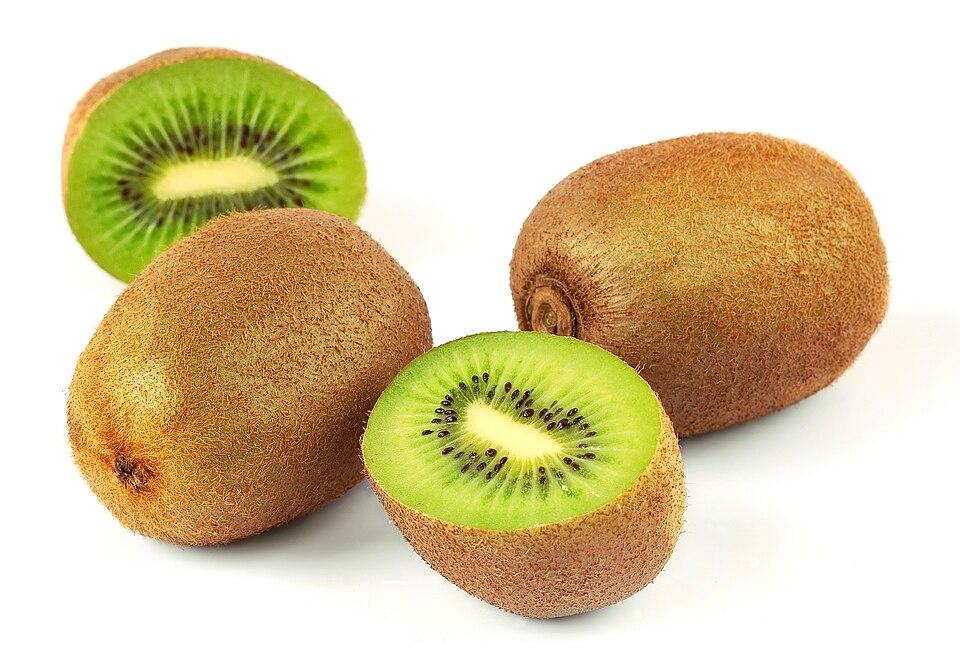
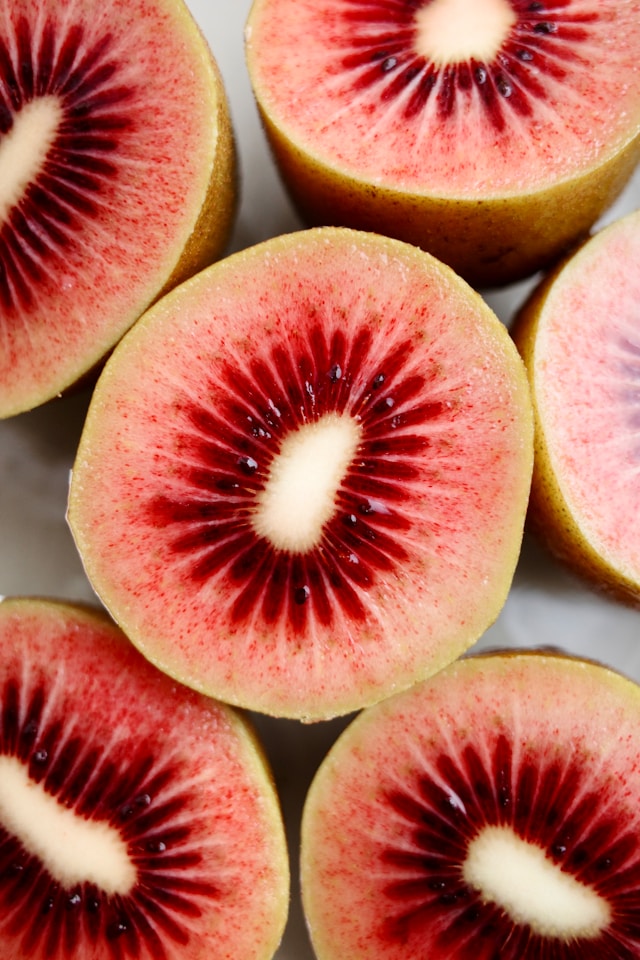
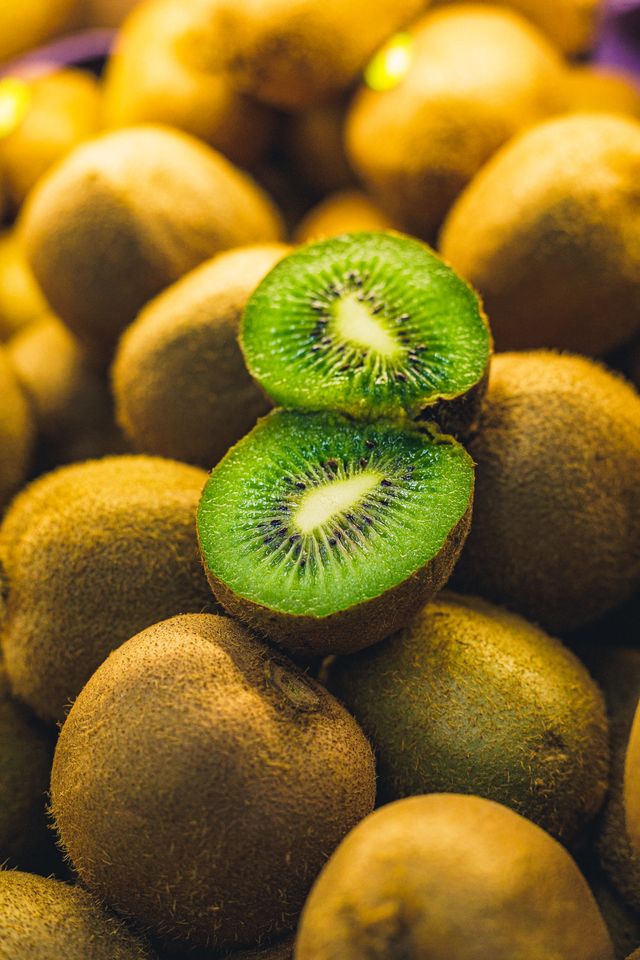
ABOVE: Green, gold and red kiwifruit

Photos: Luc Viatour (Wikimedia Commons), Ivar Leidus (Wikimedia Commons), Seiji Seiji (Unsplash)

Nutrition boost for winter


From a nutrition standpoint, kiwifruit punches well above its size. A single fruit delivers more vitamin C than an orange, supporting immune function and collagen production for skin and joint health.

Itโ€™s also a useful source of dietary fibre, including both soluble and insoluble types that support digestion and a healthy gut microbiome.

Kiwifruit contains actinidin, a natural enzyme that helps break down protein, which is part of why itโ€™s traditionally used as a meat tenderiser and why some people find it eases digestion after a protein-heavy meal.

Youโ€™ll also get a useful dose of vitamin E, folate, and potassium, along with antioxidants that support cardiovascular health.

Gold varieties tend to have even higher vitamin C levels than green ones, while green kiwifruit slightly edges ahead on fibre.

Photo: Anderson Martins, Pexels

If you enjoy simple, grounded nutrition like this; practical, seasonal, and realistic, you can join Paulaโ€™s Sharp Bite newsletter for weekly insights, recipes, and support HERE.

Growing kiwifruit

If you already have kiwifruit in your home garden, youโ€™re fortunate. If not, you may not be able to source plants unless youโ€™re growing commercially under licence. When the highly infectious bacterial PSA vine disease arrived in New Zealand in 2010, the entire kiwifruit industry was threatened, and many orchards suffered severely. Restrictions were put on the movement of plant material in order to curb the spread of the disease.

Kiwifruit vines are vigorous, long-lived, and well suited to organic home gardens, provided you have space and a sturdy structure. They need a strong pergola or trellis system, as a mature vine can spread several metres and becomes heavy with growth.

Plant in free-draining, humus-rich soil with a slightly acidic to neutral pH, and choose a sheltered, sunny spot protected from strong winds, which can damage the large leaves and developing fruit.

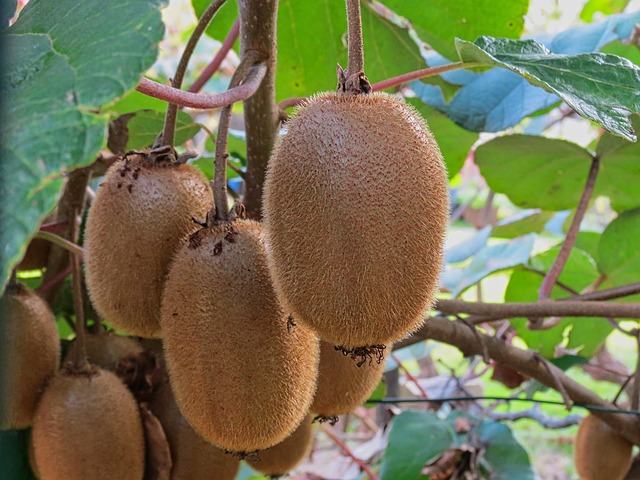
Photo: Pixamio, Pixabay
Most kiwifruit varieties are dioecious, meaning you need both a male and a female vine for fruit to set, unless you have a self-fertile variety bred for smaller gardens. Bees do most of the pollination work, so avoid spraying anything that might deter them during flowering in late spring.

Mulch generously with organic compost or aged manure to retain moisture and feed the soil naturally, and water consistently through summer, as kiwifruit vines are shallow-rooted and dislike drying out.

Annual winter pruning keeps the vine productive and manageable, removing old fruiting canes to make way for new growth. Harvest in autumn when the fruit feels firm but the seeds inside have turned black, then allow them to ripen further at room temperature.


Simple kiwifruit recipes

Zesty kiwifruit & coriander salsa


Bright, enzyme-rich, and lovely with grilled fish or tacos.

Ingredients

  • 4 ripe green or gold kiwifruit, peeled and diced
  • ยฝ small red onion, finely diced
  • 1 small red chilli, finely chopped (seeds removed if preferred)
  • 2 tablespoons fresh coriander, chopped
  • 1 tablespoon lime juice
  • 1 tablespoon olive oil
  • Pinch of sea salt

Method

  1. Combine the kiwifruit, red onion, chilli, and coriander in a bowl.
  2. Whisk together the lime juice, olive oil, and salt, then pour over the salsa.
  3. Toss gently and let sit for 10 minutes before serving to let the flavours combine.

Photo: Sarah Deason, Pexels


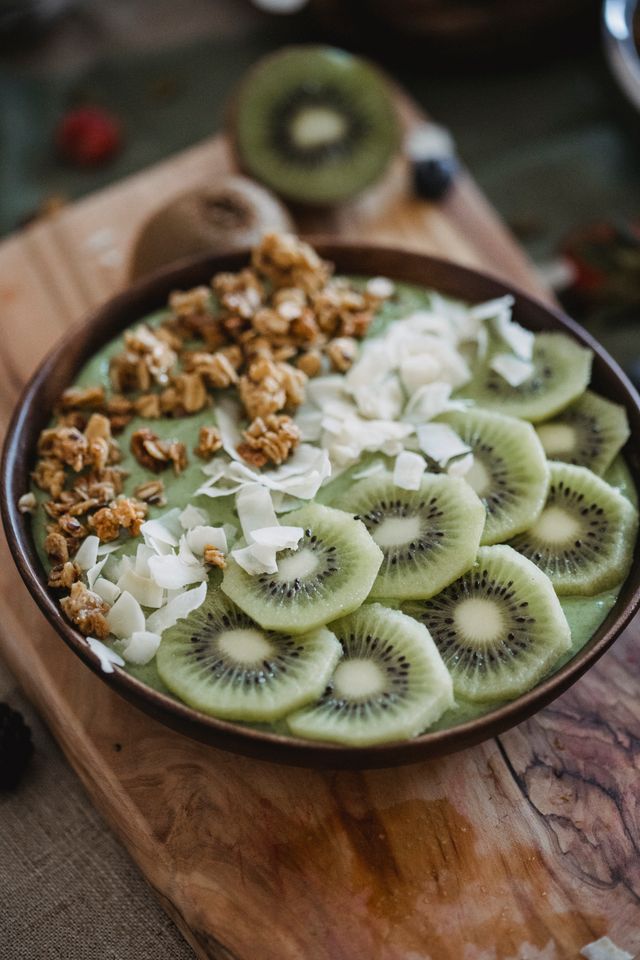
Kiwifruit green smoothie bowl

A snack or breakfast thatโ€™s packed with fibre and vitamin C.

Ingredients

  • 3 ripe kiwifruit, peeled
  • 1 frozen banana
  • 1 cup baby spinach
  • ยฝ cup plain yoghurt (dairy or coconut)
  • ยผ cup water or milk of choice
  • Pinch of spice โ€“ cinnamon, nutmeg or ginger
  • Toppings: sliced kiwifruit, chia seeds, granola, shredded coconut

Method

  1. Blend (with a Nutribullet, stick blender etc.) the kiwifruit, banana, spinach, yoghurt, and water until smooth and thick.
  2. Pour into a bowl and top with your choice of sliced kiwifruit, a sprinkle of chia seeds, granola, shredded coconut, then serve immediately.

Photo: Nicola Barts, Pexels


Want more seasonal nutrition inspiration?

Iโ€™m Paula Sharp, nutritional therapist and founder of Paula Sharp Nutrition, supporting women to nourish their health with sustainable food and mindset habits.

If youโ€™d like seasonal recipes, practical nutrition tips and evidence-based wellness insights delivered straight to your inbox, Iโ€™d love you to join my newsletter. Sign up at: www.paulasharpnutrition.com

Photo at top of article: Luc Viatour, Wikimedia Commons


Box of aubergines (eggplants)

Aubergines

The aubergine is one of those vegetables that people often overlook, until they learn how to cook it well. Then everything changes, writes Paula Sharp.

We hope you enjoy this free article from Organic NZJoin us to access more, exclusive member-only content

When handled right, the aubergine turns soft, silky, and deeply satisfying, carrying flavour in a way few other vegetables can. Itโ€™s not loud or showy; itโ€™s grounding, nourishing, and incredibly versatile โ€“ exactly the kind of food that supports steady, sustainable health.

While the aubergine (also known as eggplant) wasnโ€™t a traditional staple in many New Zealand kitchens a generation ago, itโ€™s now finding its place. Youโ€™ll spot it at local markets, tucked into home gardens, and increasingly on menus that celebrate seasonal, plant-forward eating.

Why the name ‘eggplant’?


The aubergine traces its origins back over 2000 years to India and Southeast Asia, where it grew wild before being cultivated. It gradually travelled west along trade routes into the Middle East, Africa, and Europe.

Early varieties were small, pale, and egg-shaped, hence the name eggplant.


By the Middle Ages, it had gained a slightly dubious reputation in Europe for bitterness and poor preparation. Fortunately, modern cultivation has softened those edges, giving us the milder, more reliable varieties we enjoy today.

Photo: Japanese white eggplant, Wikimedia Commons


Growing aubergines


Aubergines are warmth-loving plants, which makes them well suited to New Zealandโ€™s warmer regions like Northland, Auckland, and the Bay of Plenty. With shelter and care, they can still be grown further south.

They thrive with:

  • Full sun (6โ€“8 hours daily)
  • Rich, well-drained soil with plenty of organic matter
  • Consistent warmth and protection from wind.

Plant in spring after the last frost, and in cooler areas, use cloches or grow under cover to get them established. In places like Tauranga, you can expect a generous harvest through late summer into early autumn.

Keep watering consistently (but not excessively), mulch well, and feed with an organic fertiliser to support strong, steady growth.

Photo: Jason Leung, Unsplash

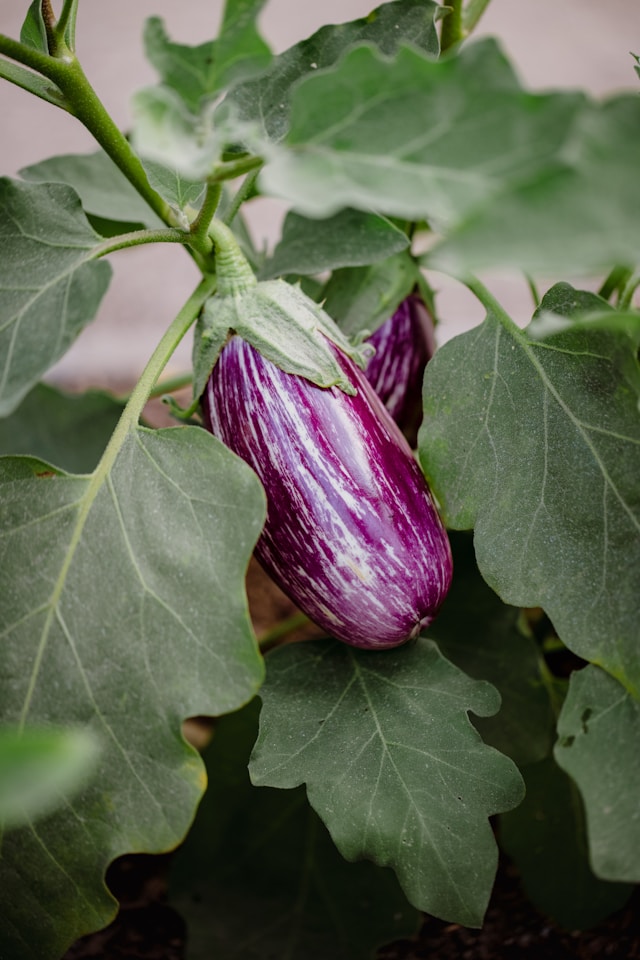
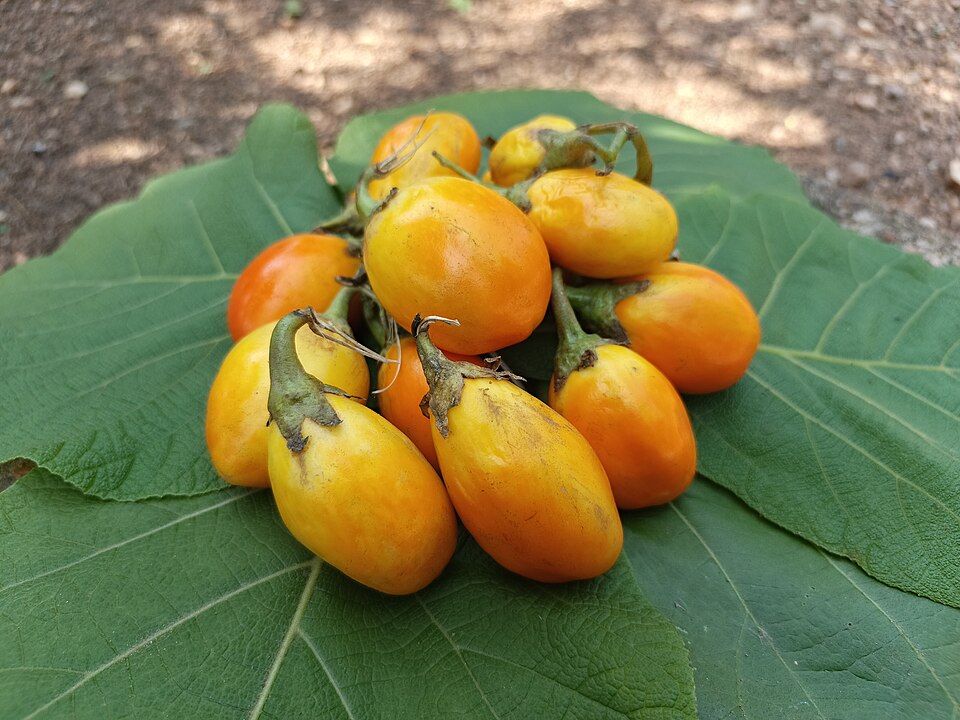
ABOVE: Aubergines come in a wide range of shapes and colours

Photos: Grey Geezer/Wikimedia Commons; Kod B/Wikimedia Commons (aubergines from Ivory Coast); Chixpix/Pexels

Nutritional benefits

Aubergine is one of those quietly supportive foods. It wonโ€™t spike your blood sugar or overwhelm your system; it works gently in the background. Its deep purple skin contains nasunin, a potent antioxidant that helps protect cells from oxidative stress, particularly in the brain. That alone makes it worth keeping the skin on when cooking.

It also offers:

  • Polyphenols that support metabolic function
  • Fibre to support digestion and blood sugar balance
  • Potassium for heart and nervous system health

Its ability to absorb healthy fats like olive oil makes it especially satisfying, helping meals feel complete and sustaining.

If you enjoy simple, grounded nutrition like this; practical, seasonal, and realistic, you can join Paulaโ€™s Sharp Bite newsletter for weekly insights, recipes, and support HERE.


In the kitchen

Aubergine rewards good cooking. Undercooked, it can be spongy. Cooked well, it becomes soft, rich and almost creamy. Salting beforehand can improve texture and reduce bitterness, though many modern varieties donโ€™t require it. Roasting, grilling, or slow cooking are the best approaches; these bring out its depth and allow it to fully absorb flavours.

In New Zealand, aubergines sit comfortably alongside other late summer and early autumn produce like tomatoes, courgettes, capsicums, and fresh herbs. The aubergine is a natural fit for a more diverse, plant-rich way of eating that many people are moving toward.

Itโ€™s also a great vegetable for those wanting to reduce reliance on heavily processed foods. When paired with good fats, herbs, and whole ingredients, it becomes something deeply nourishing rather than just an add-on.

Photo: OlgaVolkovitskaia, Pixabay

Simple aubergine recipes


Roasted aubergine with garlic yoghurt & herbs


Serves 2

Ingredients

  • 1 large aubergine
  • 2 tbsp olive oil
  • 1 clove garlic, crushed
  • ยฝ cup natural yoghurt
  • juice of ยฝ lemon
  • handful fresh parsley or mint, chopped
  • salt and pepper

Photo: shokotov from Pixabay

Method

  1. Preheat oven to 200ยฐC.
  2. Add coconut oil to roasting dish and allow it to melt in the oven.
  3. Slice aubergine in half lengthways and score the cut flesh. Toss pieces in the melted oil and season well.
  4. Roast for 30โ€“40 minutes until soft and golden, and remove from oven.
  5. Mix yoghurt, garlic and lemon juice. Spoon over aubergine and top with herbs.


Aubergine & lentil stew

Serves 2

Ingredients

  • 1 aubergine, diced
  • 1 onion, chopped
  • 1 clove garlic, crushed
  • 1 carrot, diced
  • 1 tin chopped tomatoes
  • ยฝ cup red lentils
  • 1 tsp cumin
  • 1 tsp smoked paprika
  • 2 cups vegetable stock
  • olive oil
  • salt and pepper

Photo: Sanket Shah, Unsplash


Method

  1. Heat oil and sautรฉ onion and garlic until soft.
  2. Add aubergine and cook until lightly browned.
  3. Stir in remaining ingredients, and simmer 25โ€“30 minutes until lentils are tender.
  4. Season and serve.

Want more seasonal nutrition inspiration?

Iโ€™m Paula Sharp, nutritional therapist and founder of Paula Sharp Nutrition, supporting women to nourish their health with sustainable food and mindset habits.

If youโ€™d like seasonal recipes, practical nutrition tips and evidence-based wellness insights delivered straight to your inbox, Iโ€™d love you to join my newsletter. Sign up at: www.paulasharpnutrition.com

Photo at top of article: Zen Chung, Pexels


Feijoas top view cut and uncut

Fantastic feijoas

As the air cools and the leaves begin to turn, a familiar scent signals the arrival of one of New Zealandโ€™s most iconic seasonal fruits, the feijoa.

With its unmistakable perfume and tangy-sweet flavour, the feijoa is more than just a garden staple, writes Paula Sharp; itโ€™s nutrition packed in a fibrous skin, and it has a firm place in childhood memories and Kiwi culture.

We hope you enjoy this free article from Organic NZJoin us to access more, exclusive member-only content


A brief history


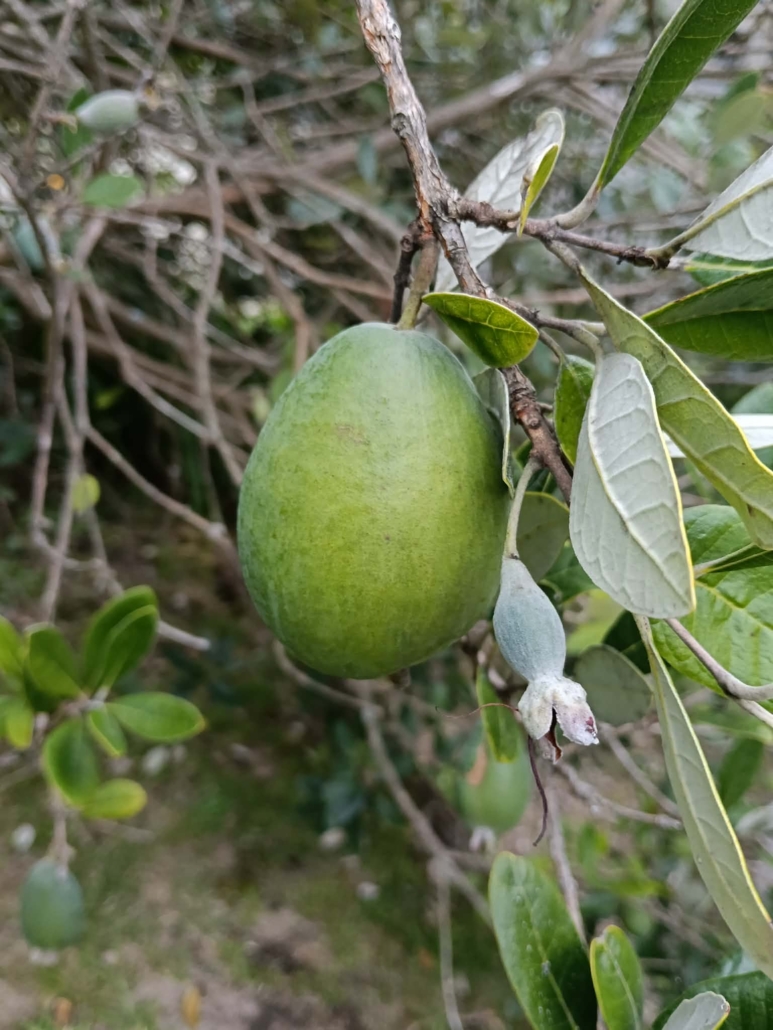
Feijoas (Feijoa sellowiana, formerly Acca sellowiana) are native to the highlands of southern Brazil, Paraguay, Uruguay, and northern Argentina.

They were introduced to Aotearoa New Zealand in the early twentieth century and quickly found a natural home in our temperate climate.

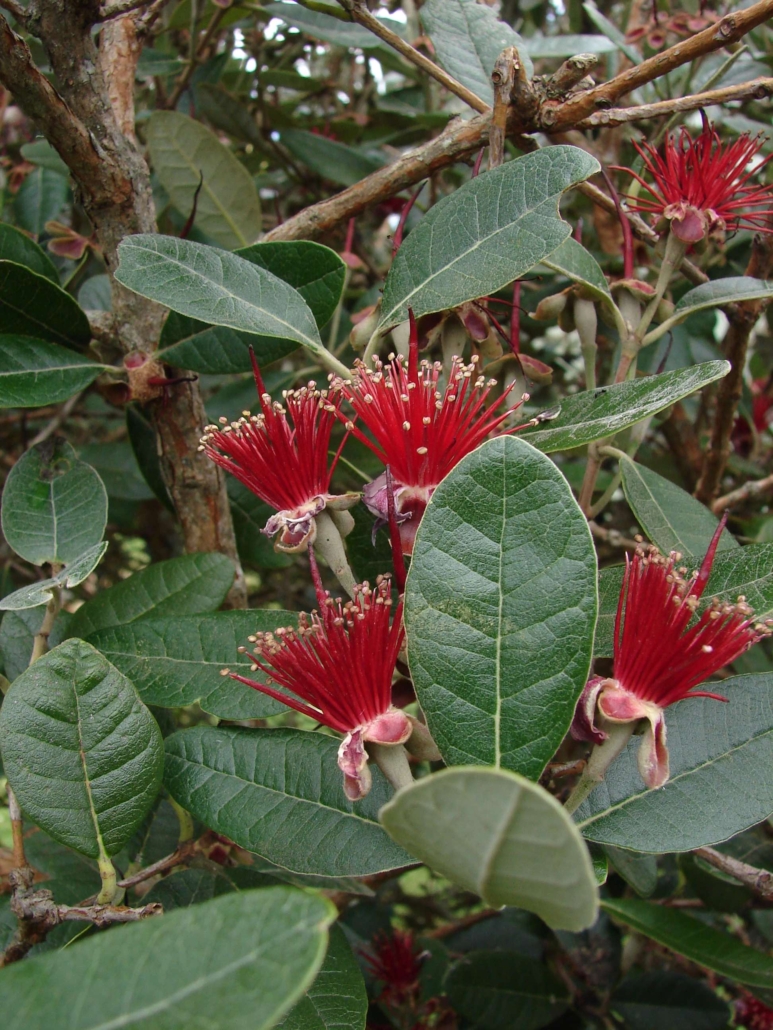
Over time, feijoas have become so embedded in New Zealand life that many people assume they are native. They are in the myrtle family โ€“ along with pลhutukawa and rata, whose flowers are similar.

From schoolyard swaps to overfilled buckets left at the gate, feijoa season is a community event.

Photo: Theresa Sjoquist


Nutritional benefits


Feijoas may be small, but they pack a big nutritional punch. They are particularly rich in vitamin C, supporting immune function as we head into the cooler months, exactly when many people begin to feel run down.

They are also high in dietary fibre, especially soluble fibre, which helps nourish beneficial gut bacteria and support digestion. For people navigating bloating, sluggish digestion, or changing hormones, this kind of gentle, food-first support can be incredibly powerful.

Feijoas contain antioxidants such as polyphenols, helping to reduce inflammation and protect cells from oxidative stress. They also provide potassium, supporting heart health and fluid balance

Interestingly, feijoas contain natural compounds that may support mood and calm the nervous system, perhaps part of the reason they feel so comforting to eat.

Autumn is a natural time to reset. If your energy feels low, digestion is off, or hormones are shifting, small changes using seasonal food, like feijoas can make a real difference. For personalised, practical support, visit www.paulasharpnutrition.com or email paulasharp31@icloud.com.


Growing feijoas at home

Feijoa trees are well suited to organic growing and are relatively low maintenance, making them ideal for home gardens. They thrive in full sun and well-drained soil and are hardy once established.

For the best fruit production, plant two varieties to encourage cross-pollination. Varieties such as Apollo, Unique, and Kaiteri perform well across many regions of New Zealand.

Feijoas benefit from regular watering during dry periods and a layer of organic mulch to retain moisture and support soil health. Feeding with compost or organic fertiliser in spring will encourage strong growth and fruiting.

One of the joys of feijoas is that the fruit drops when ripe, no picking required. Simply gather them from the ground each day during the season. Just be quick, as birds and insects love them too.

Photo: Philippa Jamieson


Reducing waste, embracing abundance

Feijoa season often brings abundance; healthy trees can be BIG and therefore the harvest is vast. Rather than letting the fruit go to waste, this is a perfect opportunity to preserve, share, and get creative in the kitchen. Feijoas freeze well (simply scoop out the flesh), making them an easy addition to smoothies, baking, or desserts through the winter.

Simple feijoa recipes


Feijoa & ginger compote


.Fabulous for breakfast, dessert or a snack. Serves 2.

Ingredients

  • 10โ€“12 ripe feijoas
  • 2 tbsp honey or maple syrup
  • 1 tsp freshly grated ginger
  • juice of ยฝ lemon
  • splash of water

Method

  1. Scoop out the feijoa and place in a saucepan with the honey, ginger, lemon juice, and water.
  2. Gently simmer for 10โ€“15 minutes until soft and fragrant.
  3. Allow to cool slightly before serving.
  4. Serve with: Greek yoghurt, porridge, or over pancakes. Stores well in the fridge.


Feijoa crumble


Filling

  • 12โ€“15 feijoas, scooped
  • 1 apple, grated
  • 1 tbsp honey or a handful of raisins
  • 1 tsp cinnamon


Topping

  • 1 cup rolled oats
  • ยฝ cup almond meal
  • 2 tbsp coconut oil (melted)
  • 2 tbsp maple syrup


Method

  1. Preheat oven to 180ยฐC.
  2. Combine filling ingredients and place in a baking dish.
  3. Mix topping ingredients until crumbly and sprinkle over the fruit.
  4. Bake for 25โ€“30 minutes until golden.
  5. Serve with yoghurt or cream.

Want more seasonal nutrition inspiration?

Iโ€™m Paula Sharp, nutritional therapist and founder of Paula Sharp Nutrition, supporting women to nourish their health with sustainable food and mindset habits.

If youโ€™d like seasonal recipes, practical nutrition tips and evidence-based wellness insights delivered straight to your inbox, Iโ€™d love you to join my newsletter. Sign up at: www.paulasharpnutrition.com

Photo at top of article: Kamran Aydinov, Freepik


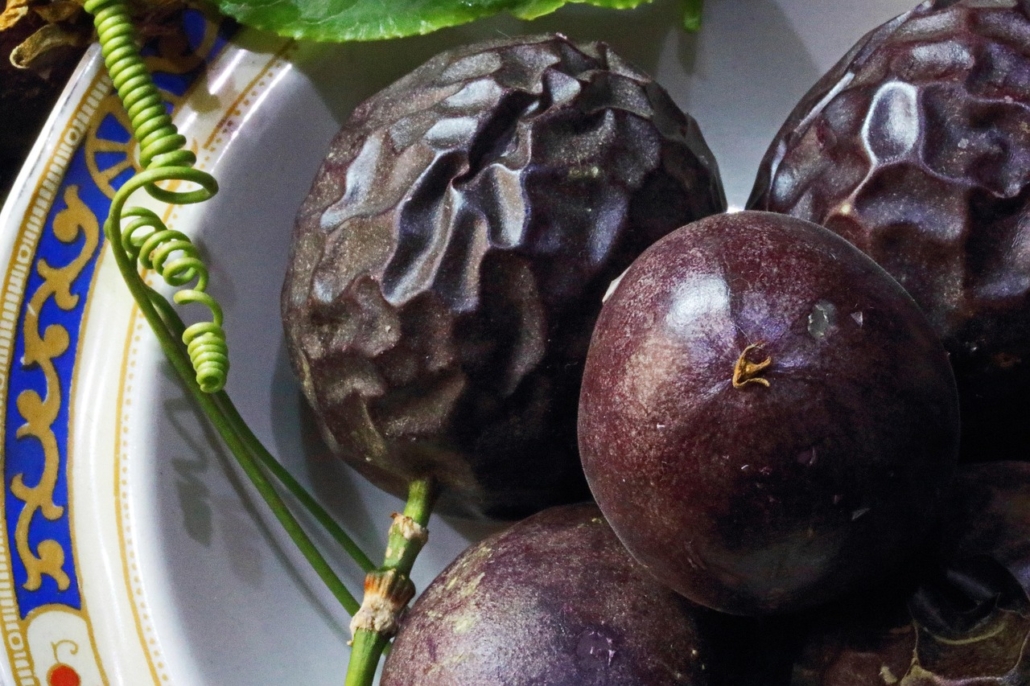
Passionfruit: Small fruit, big benefits

Wrinkled on the outside, vibrant and jewel-like inside, passionfruit is one of New Zealandโ€™s most distinctive summer fruits.

Beyond its distinctive aroma and tangy sweetness, passionfruit offers impressive nutritional benefits, supporting digestion, immunity, heart health and even mood. Small but mighty, this fruit earns its place as more than just a decorative topping, as Paula Sharp elaborates. 

We hope you enjoy this free article from Organic NZJoin us to access more, exclusive member-only content

Growing passionfruit

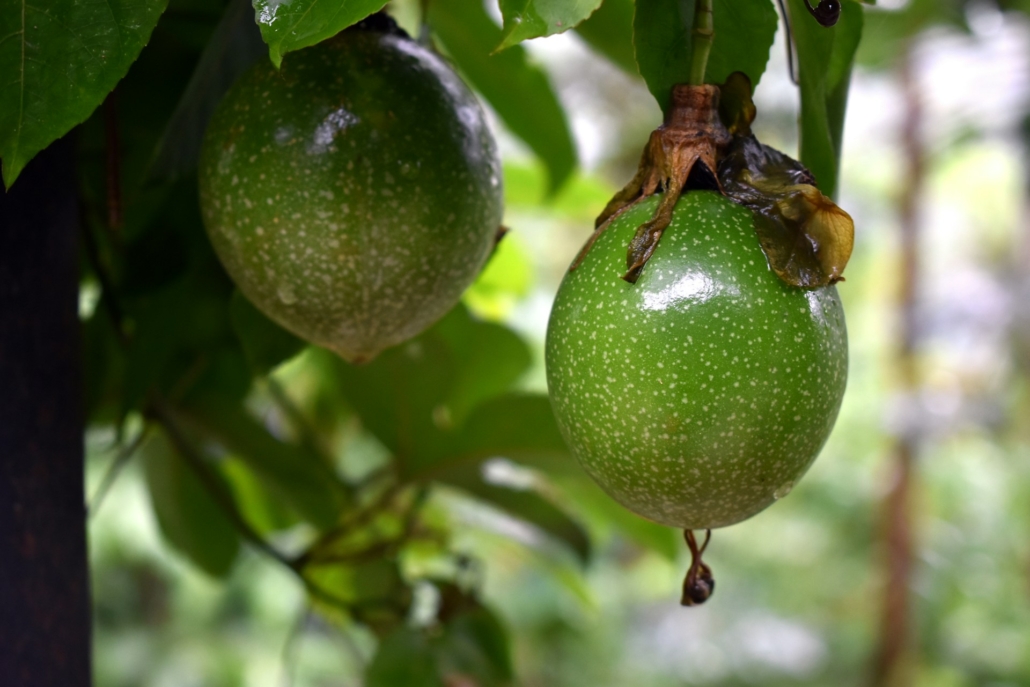
Grown widely across warmer regions, particularly in home gardens and organic orchards, passionfruit thrives with minimal intervention when conditions are right, making it a natural fit for organic growing systems. You can grow it from seed, generally from October to May.

Passionfruit (Passiflora edulis) likes moist, fertile soil and a warm, sunny and sheltered spot.

A framework, such as wires or trellis, is essential for the vine to to climb up. It can be grown alongside a fence, with wires, or even in a tub, with bamboo stakes or tub trellis.

Photo: Eka P. Amdela / Unsplash

A nutrient-dense favourite

Passionfruit is rich in vitamins, minerals and plant compounds that support whole-body health. Just one fruit contains a meaningful amount of vitamin C, essential for immune function, skin health and collagen production. Vitamin A and carotenoids contribute to eye health and cellular repair, while potassium supports healthy blood pressure and heart rhythm.

Focus on fibre

What truly sets passionfruit apart is its fibre content. The edible seeds and pulp provide both soluble and insoluble fibre, supporting digestive health, bowel regularity and beneficial gut bacteria. For those focusing on blood sugar balance, fibre helps slow the absorption of natural sugars, making passionfruit a smart addition to meals rather than a spike-and-crash snack.

Gut health and digestion

Traditionally passionfruit is used in herbal medicine systems for its calming properties, but modern nutrition also highlights its role in digestive wellbeing. The fibre feeds beneficial gut microbes and supports healthy gut motility, the coordinated muscular contractions that move food efficiently through the digestive tract.

The polyphenols in passionfruit act as antioxidants, helping to reduce inflammation in the digestive tract. In organic systems, where soil health is prioritised, fruits like passionfruit often show higher polyphenol content. Healthy soils produce resilient plants, and that resilience is reflected in their nutritional profile.

Photo: Bluesnap / Pixabay
Heart and metabolic support

Passionfruit contains potassium, magnesium and plant sterols that collectively support cardiovascular health. Fibre plays a role in lowering LDL cholesterol, while antioxidants help protect blood vessels from oxidative stress.

For those managing insulin resistance or aiming for metabolic balance, passionfruit works best paired with protein or healthy fats, for example alongside yoghurt, nuts or seeds to further stabilise blood sugar levels.

A gentle mood booster

Interestingly, compounds found in the passionflower family have been studied for their calming effects on the nervous system. While the fruit itself is milder than medicinal extracts, its magnesium content and antioxidant profile can support stress resilience as part of a balanced diet. The sensory experience alone, that tropical aroma and burst of flavour, often brings a moment of joy, which is no small thing in todayโ€™s busy world.

Choosing and using passionfruit

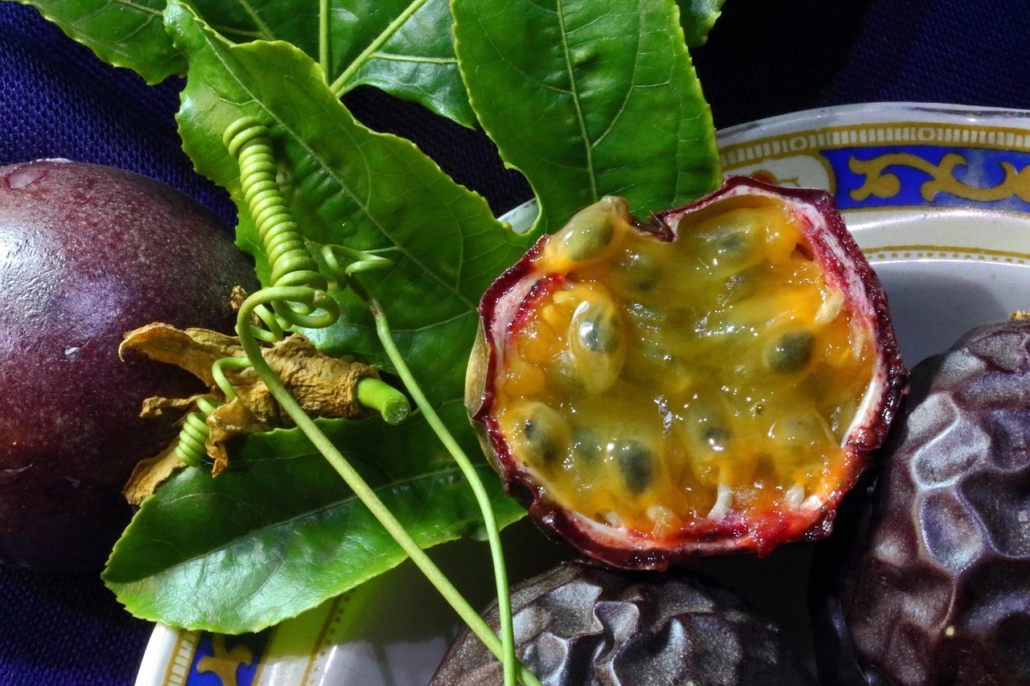
Ripe passionfruit should feel heavy for their size with wrinkled skin โ€“ smooth skins usually indicate under ripeness. Organically grown fruit may show more surface imperfections, but inside, the pulp remains vibrant and nutrient-rich.

Passionfruit requires little preparation: simply halve, scoop and eat. The seeds are entirely edible and contribute much of the fibre and beneficial fats.

Photo: Bluesnap / Pixabay

Simple Passionfruit Recipes

Passionfruit Coconut Chia Pudding

Serves 2

Ingredients

  • 2 tbsp chia seeds
  • 1 cup organic coconut milk or unsweetened almond milk
  • pulp of 2 ripe passionfruit
  • ยฝ tsp vanilla extract
  • optional: drizzle of raw honey or maple syrup

Method

Mix all ingredients in a bowl or jar.

Stir well, cover and refrigerate for at least 2 hours or overnight.

Serve topped with fresh berries or toasted coconut. 

Photo: Monika Borys, Unsplash

Passionfruit Yoghurt Dressing

Perfect for both fruit salads or leafy greens

Ingredients

  • pulp of 1โ€“2 passionfruit
  • ยฝ cup unsweetened Greek or coconut yoghurt
  • 1 tsp olive oil
  • pinch of sea salt

Method

  1. Whisk all ingredients until smooth.
  2. Use immediately or store in the fridge for up to two days.

Passionflower Tea

The fruit offers vibrant nutrition, but also the leaves and flowers of the passion vine, particularly species such as Passiflora incarnata. This is traditionally drunk as a herbal tea (or herbal tincture) because of its renowned calming properties.

Passionflower tea is useful when you are feeling: mild anxiety and nervous tension, restless sleep, and/or stress-related digestive discomfort.

The plant contains flavonoids and alkaloids thought to gently influence GABA receptors in the brain. These promote relaxation without heavy sedation. Itโ€™s often used as part of a bedtime routine or during heightened stress.

NB. While considered safe, itโ€™s not recommended during pregnancy, and anyone on sedative medication should seek professional guidance before use.

How to make passionflower tea

  1. Place 1 teaspoon dried organic passionflower (leaf and flower) in a teapot or infuser. Pour over a cup of โ€˜near toโ€™ boiling water.
  2. Cover and steep for 5โ€“10 minutes. (The longer itโ€™s left, the stronger the flavour and herbal properties. As a sleep aid, steep for 10 minutes or more).
  3. Strain and enjoy warm.

Ideally, for sleep support, drink 30โ€“60 minutes before bed. For daytime calm, enjoy mid-afternoon.

Photo: CollectingPixels / Pixabay

Want more seasonal nutrition inspiration?

Iโ€™m Paula Sharp, nutritional therapist and founder of Paula Sharp Nutrition, supporting women to nourish their health with sustainable food and mindset habits.

If youโ€™d like seasonal recipes, practical nutrition tips and evidence-based wellness insights delivered straight to your inbox, Iโ€™d love you to join my newsletter. Sign up at: www.paulasharpnutrition.com

Photo at top of article: Michael Kucharski / Unsplash


The Gut Microbiome

8 tips for whole-body health

One of the most complex systems supporting your health isnโ€™t your brain, heart, or even your immune system โ€“ itโ€™s your gut microbiome.

Nutritional therapist Paula Sharp finds out why this internal ecosystem, composed of trillions of microorganisms, is hailed by scientists as key to health research.

We hope you enjoy this free article from OrganicNZJoin us to access more, exclusive member-only content

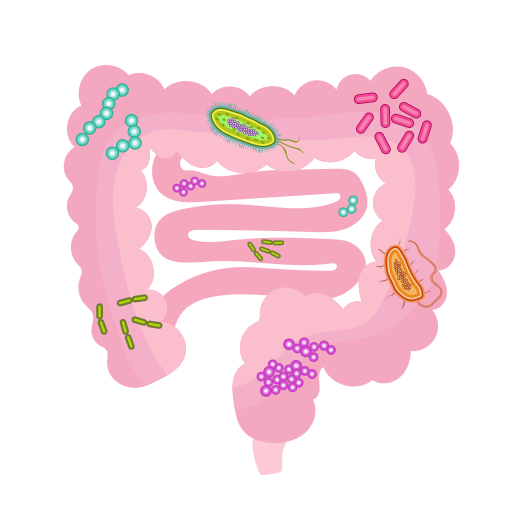
Your gut microbiome is the diverse community of bacteria, viruses, fungi, and other microbes residing primarily in your large intestine.

They are microscopic, but have an enormous collective impact. They have essential roles in digesting food, modulating inflammation, and influencing brain health.

The microbiome also builds and regulates most of our immune function.

Image: DataBase Center for Life Science, Wikimedia Commons

What is the gut microbiome?

Imagine a rainforest inside your body, teeming with life. Like any ecosystem, the gut microbiome thrives on diversity and balance. This community of microorganisms works together to help you break down fibre, extract nutrients, synthesise vitamins (such as B12 and K), and produce beneficial short-chain fatty acids.

While we tend to think of bacteria as harmful, the majority living in your gut are either beneficial or neutral. These microbes co-evolved with us and perform tasks we cannot do on our ownโ€”such as fermenting non-digestible carbohydrates or keeping pathogenic (harmful) bacteria in check.

Itโ€™s estimated that the human gut contains between 300 to 1000 different species of bacteria, with every individual having a unique microbiome signature, influenced by genetics, diet, environment, and lifestyle.

The microbiomeโ€™s role in the body

Research over the past decade has dramatically changed our understanding of the gut microbiome. Once considered a passive system, itโ€™s now seen as an active organ in its own right, interacting with nearly every physiological process.

1. Digestion and nutrient absorption

Gut microbes help break down complex carbohydrates, such as dietary fibre, that we canโ€™t digest on our own. The fermentation of fibre by certain bacterial strains produces short-chain fatty acids (SCFAs) like acetate, propionate, and butyrate. These SCFAs are anti-inflammatory and nourish the cells lining the colon.

2. Immune system regulation

About 70% of your immune cells reside in the gut lining. A healthy microbiome helps maintain the balance between immune tolerance (not reacting to harmless substances) and defence (attacking pathogens). An imbalanced microbiome may contribute to autoimmune conditions โ€“ in which the body mistakenly attacks its own healthy cells โ€“ and chronic inflammation.

3. Gutโ€“brain axis

The gut-brain axis describes the two-way communication between the gut and the central nervous system. Through neural, hormonal, and immunological pathways, the gut influences mental health.

Certain strains of bacteria, particularly lactobacillus and bifidobacterium produce neurotransmitters like serotonin and GABA, these improve mood and cognitive function.

Image: Jill Wellington / Pexels

However, some bacteria mimic and interfere with these neurotransmitters. E-coli, campylobacter and clostridium are some of the bacterial culprits which release inflammation causing compounds (or toxins) causing mood to dip, anxiety to increase and sleep to be compromised.

Emerging evidence even links gut health to neurodevelopmental conditions like autism spectrum disorder and degenerative diseases such as Parkinsonโ€™s disease.

What disrupts the microbiome?

Despite its resilience, the gut microbiome is highly sensitive to changes in our environment and behaviour. Modern lifestyles, particularly in industrialised nations, are often hostile to microbial diversity.

1. Dietary factors

Diets high in ultra-processed foods, added sugars, and low fibre reduce beneficial species and encourage the overgrowth of pathogenic bacteria, which are otherwise not a problem when the microbiome is balanced.

Excessive alcohol consumption and low intake of plant-based foods limit microbial diversity.

Image: Foodie Factor / Pexels

2. Medications

Antibiotics, while lifesaving, can wipe out both good and bad bacteria, potentially leading to long-term imbalance.

Medications that reduce stomach acids, NSAIDs (non-steroidal anti-inflammatory medications), and artificial sweeteners all negatively alter the gut microbiome.

3. Lifestyle stressors

Chronic stress or cortisol poisoning is felt in the gut.  The stress-hormone response increases intestinal permeability (leaky gut) and impairs microbial balance. This can show up as stress diarrhoea, nervous urination, nausea and โ€˜tummy acheโ€™ in the lower abdomen. Is it just butterflies in your tummy, or compromised gut health?

Poor sleep quality disrupts the circadian rhythm of gut microbes. Sedentary behaviour has also been associated with reduced microbial diversity.

Eight ways to nurture your gut microbiome

Restoring and maintaining a healthy gut doesnโ€™t require drastic changes. Simple, evidence-based strategies such as the following can support your microbiomeโ€™s resilience and diversity:

1. Eat a diverse range of whole foods

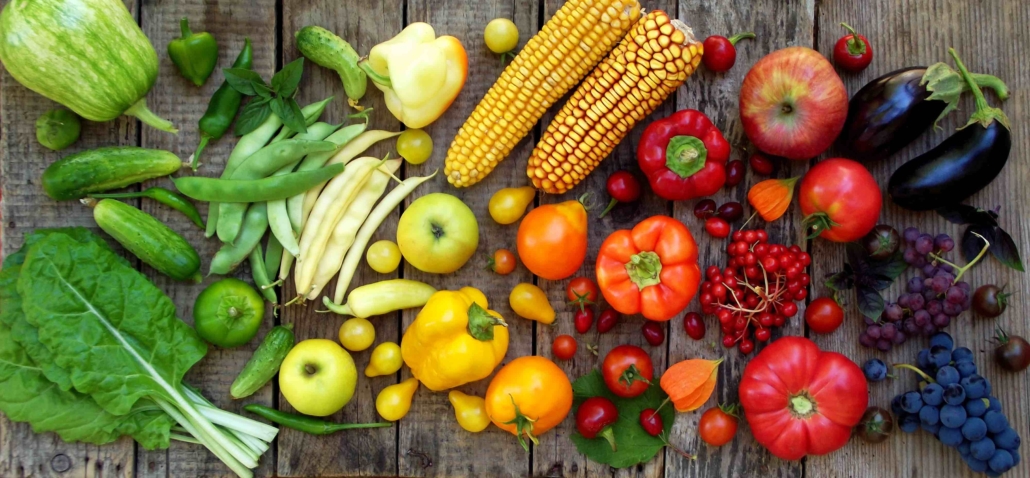
A variety of fibre-rich foods feeds different bacterial strains. Aim for 30+ plant types per week, including vegetables, fruits, nuts, seeds, legumes, herbs, and whole grains.

Image: Oksana S / iStock

2. Prioritise prebiotics and probiotics

Prebiotics are non-digestible fibres that act as food for beneficial bacteria. Sources include garlic, onions, leeks, asparagus and bananas.

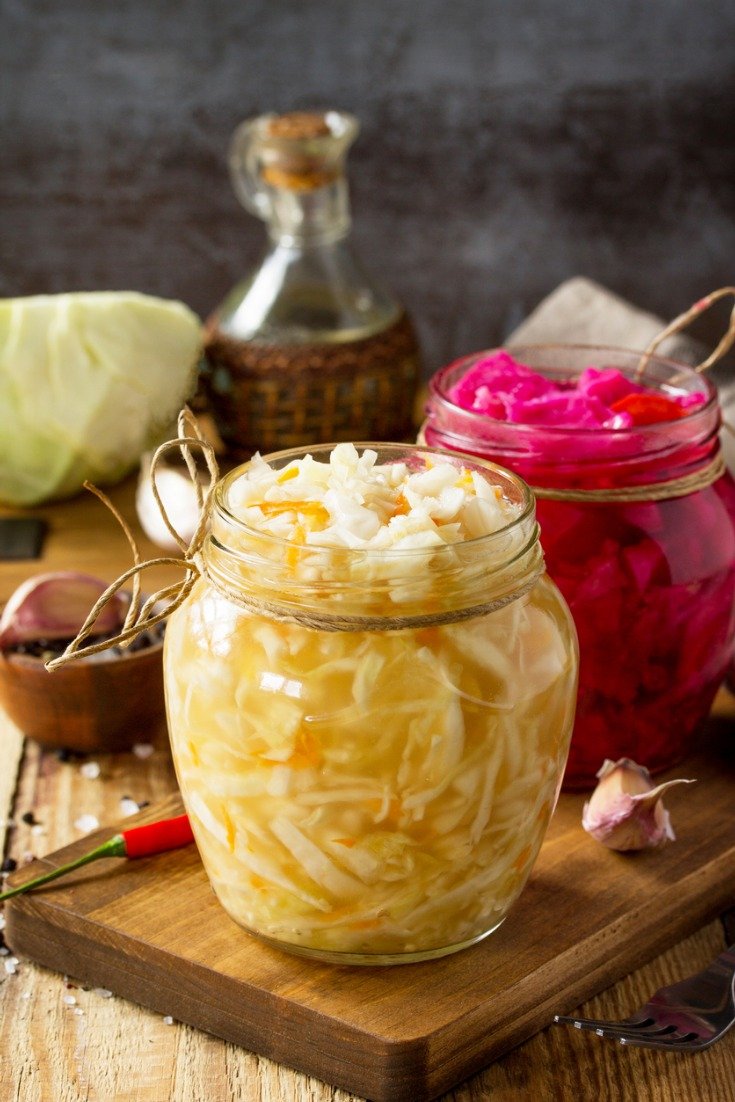
Probiotics are live bacteria found in fermented foods like yoghurt, kefir, kimchi, sauerkraut, and miso. These can help restore microbial balance, especially after antibiotic use.

3. Minimise ultra processed foods

Artificial additives, emulsifiers, and preservatives in highly processed foods harm microbial communities and contribute to metabolic dysregulation.

Ultra processed foods look like this: instant noodles, snack chips, sugary cereals, frozen chicken nuggets, processed cheese slices, fizzy drinks and snack bars.

Many of them contain MSG (monosodium glutamate), thickeners, and phosphoric acid as additives. Taste has been enhanced with lab-produced flavourings such as โ€˜cheese flavourโ€™, โ€˜strawberry flavourโ€™, โ€˜honey flavourโ€™. And the preservatives of choice are sulphates, sodium and/or sorbates. Food labels can feel like a minefield, but if you donโ€™t recognise whatโ€™s on the label, it can be considered ultra processed food. 

4. Stay hydrated

Water is essential for maintaining a healthy gut lining and aiding fibre fermentation.

5. Move your body

Regular exercise has been linked to increased diversity and abundance of health-promoting bacterial strains.

6. Manage your stress

Mind-body techniques such as meditation, breathwork, or gentle movement like yoga can regulate the gut-brain axis and reduce inflammation.

Yoga on the beach (image: LucidSurf/istock)

7. Sleep consistently

A regular sleep schedule supports the natural circadian rhythms of your gut bacteria, which influence digestion and hormone production.

8. Consider supplementation carefully

While probiotic and prebiotic supplements can be helpful, theyโ€™re not one-size-fits-all. Itโ€™s best to consult a qualified health professional to tailor recommendations to your needs.

The microbiome and the future of health

Weโ€™re just scratching the surface of microbiome science. With emerging links to conditions as diverse as type 2 diabetes, cardiovascular disease, allergies, skin conditions, and even cancer, researchers believe the microbiome may soon be a central focus for personalised and preventive medicine.

Microbiome testing and interventions may one day guide us in choosing the best foods, therapies, or even medications based on our internal microbial profile.

The gut microbiome represents a new lens through which we can understand health, illness, and healing. Itโ€™s not about striving for perfectionโ€”but rather cultivating balance.

By eating real food, managing stress, staying hydrated, and treating your gut with respect, you can positively influence not just your digestion, but your immunity, energy levels, mood, and long-term vitality.

AUTHOR BIO: Paula Sharp is a nutritional therapist working one-to-one via Zoom to support womenโ€™s health, restore gut health and digestion, hormonal balance, skin and hair, sleep, shifting weight and health pre- and post-surgery. www.paulasharpnutrition.com
She is also a guest speaker, giving talks to companies on nutrition and mindset. In London she worked in the organic fruit and vegetable industry, and now she is based in Whakatฤne, growing her own extensive spray-free garden.

The joys of sauerkraut

Byย Mike Bradstock

Sauerkraut is one of the healthiest preserves you can make. By a natural fermentation process it converts humble cabbage into a tasty and versatile nutrient-and-vitamin-rich product. It is high in vitamins C, K, B6, folate, and minerals including iron, calcium and magnesium. The only drawback is its comparatively high salt content, though this is partly offset by less need to salt the food you eat it with, and you can remove some of the salt by rinsing immediately before use.

Many people believe sauerkraut needs to be made in bulk and is tricky and a lot of work. In fact it is easy and you can make it in small quantities; I only make only a couple of litres (about one cabbageโ€™s worth) at a time.

The following content is only available to members.ย Join usย for access.