Growing Vegetables: Mid spring — hardening off
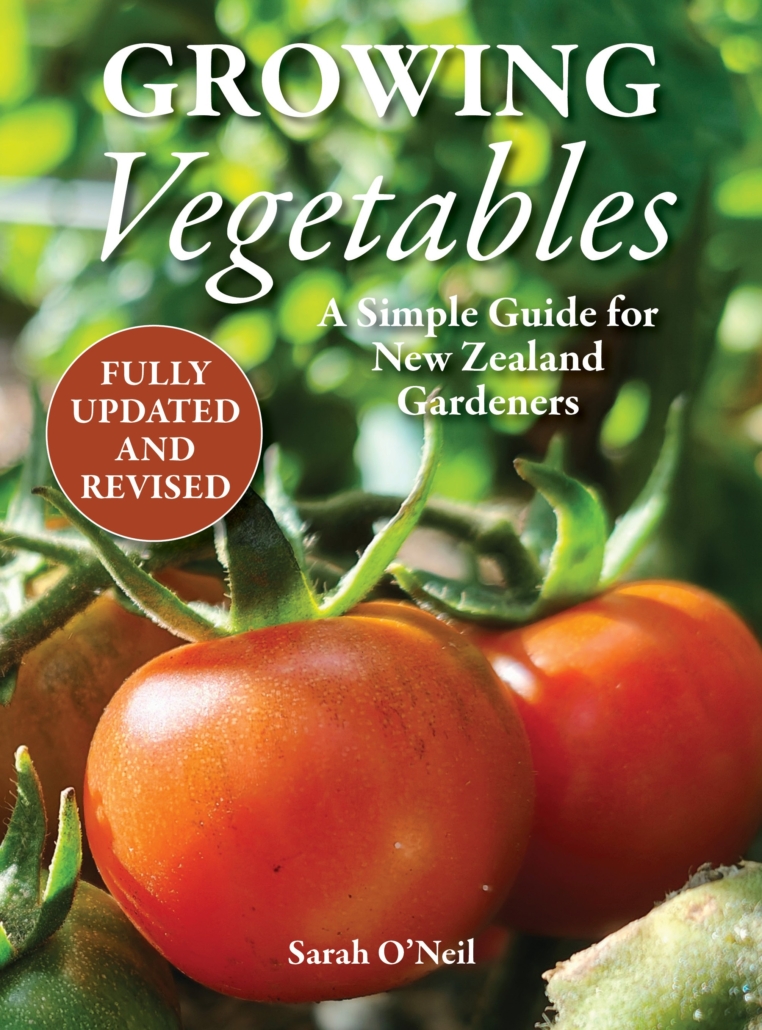
Growing Vegetables is a revised and updated edition of Waiuku gardener Sarah O’Neil’s book.
This accessible, user-friendly guide guides the reader through the seasons with practical gardening information about the soil, weeds, crop rotation and much more — all specific to Aotearoa New Zealand. There’s also space for your own notes and observations.
Here is an extract from the book, from the mid spring chapter, on hardening off your vege seedlings.
We hope you enjoy this free article from Organic NZ. Join us to access more, exclusive member-only content
Extracted from Growing Vegetables: A Simple Guide for New Zealand Gardeners by Sarah O’Neil $39.99 RRP, White Cloud Books from Upstart Press
Hardening off
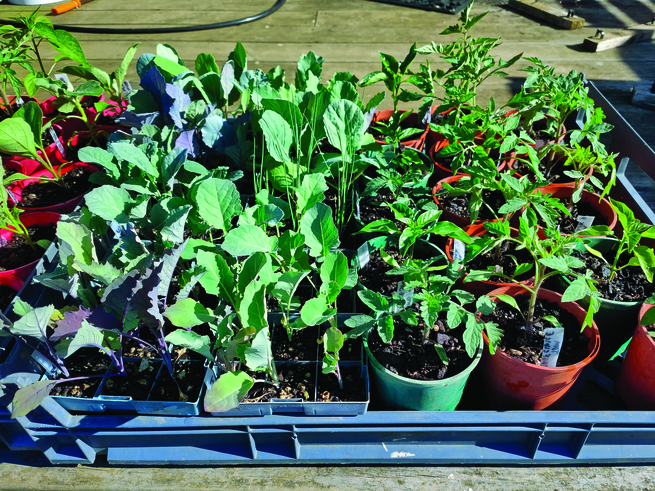
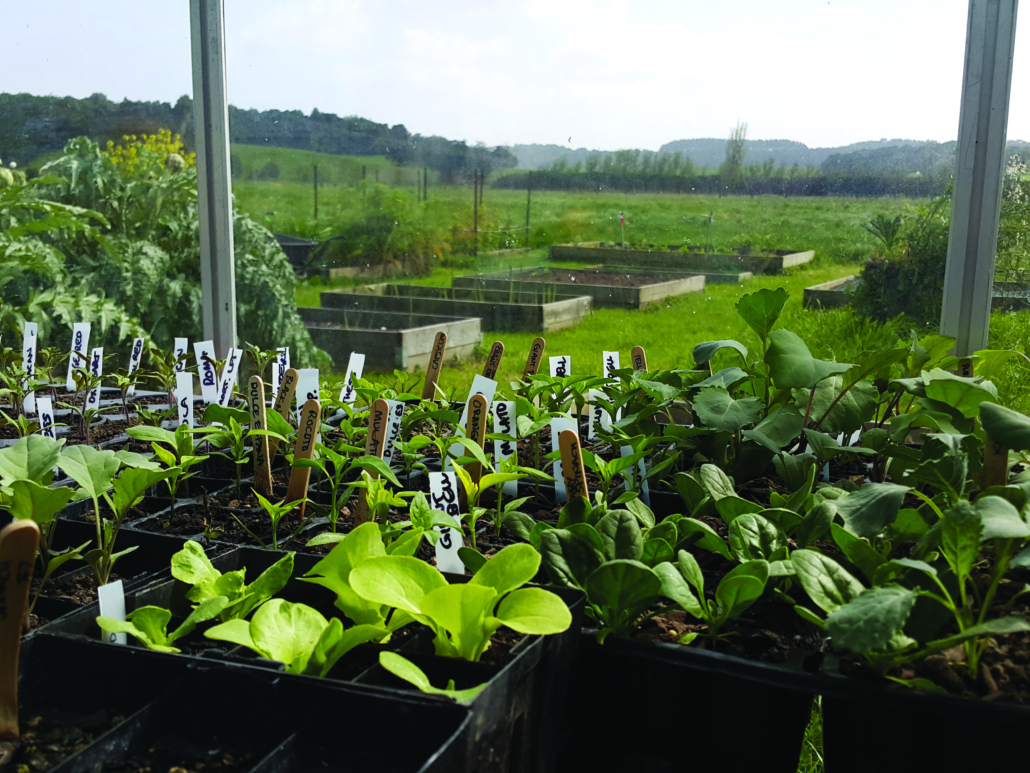
By now [mid spring], you should have some lovely healthy seedlings, however, don’t be tempted to plant them out — not yet. It may seem lovely and warm outside, but the thing is, it is not safe for the plants to go out yet. They need to be prepared for the big wide world.
They need to get used to the climate in your garden. It will be quite different from the cosy warmth of the greenhouse or windowsill. If you just planted them straight out from indoors into the garden they won’t like it. It is a harsh world out there. They could go into what is known as ‘transplant shock’ and slow or stop growing. They need to acclimatise. It could cause long-term damage that would result in stunted plants, a reduced harvest or in some cases, death.
Cucumbers can be particularly fussy if the weather isn’t warm enough. You have to ease them into the real world, like a reluctant swimmer getting into a cold swimming pool . . . Slowly and gently.
The process
1. About a week or two before your last frost date, in the morning take all your plants and put them outside in a warm sunny spot out of the breeze and leave them there all day and bring them in again at night.
2. The next day put them back outside and this time allow them to feel a gentle breeze through their leaves and put them away again at night.
3. Continue this each day for at least a week and ideally two weeks, gradually exposing them to the full extent of the weather they would experience in the garden.
4. Towards the end of this in-and-out routine, in a sheltered spot where they would be protected from any possible frost, leave them out overnight a couple of times.
5. Then come the date it is safe to plant them out, they will be completely acclimatised to life on the outside and will slip into the garden without even noticing too much that life has changed and will continue growing happily.
6. Watering them in with a seaweed solution can help minimise the shock and help the roots to establish in the new location.
7. I can’t say it enough: Don’t trust the weather! There is always a risk of a late frost, so just to be safe — keep one eye on the overnight forecast and keep some frost cloth handy.
This is why we grow spare seedlings, in case of disaster.
Don’t feel you have to plant your seedlings out on the last frost date. This is the ‘first’ date where it is deemed safe to plant things out — not the ‘only’ date.
If your seedlings are too small — less than about 6cm or don’t look strong enough, leave them inside for another week or so. It won’t harm them and in fact you are doing them a favour, and they will get a better start to life on the outside.
Wind — a blessing and a curse
Plants exposed to a mild wind grow stronger and thicker than those in a sheltered position as their cell walls adapt to the conditions and make the plant more resilient.
If you take a plant straight from the greenhouse or sunny windowsill and plant it in the garden, not only will it be shocked by the temperature, but it will be skinny and weak and not as prepared for life in the garden as a plant that had been hardened off properly. Although take care, if the wind is too strong it can burn the leaves and dry out the soil. You will need to use your judgement. If it is too windy while hardening off your plants, put them in a sheltered place or keep them tucked up indoors.
Soil dried out by the wind can become so dry that it actually repels water and normal watering won’t fix it. What you need to do is to immerse the whole plant in a bucket of water. Some seaweed solution will help here, too.
Float the pot and allow it to sink to the bottom in its own time, then wait until the bubbles stop coming and then a little bit longer and pull the plant out of the bucket and let it drain. You will find that the soil has rehydrated and you can carry on as normal.
Take note
What is going on in your garden?
Is the garden ready to plant into? Have you begun hardening off? What is the weather like?

Gardener Sarah O’Neil lives with her family beside the sea at Waiuku.
Find out more at her website here, where she has a blog, photos, podcasts and videos.
Text and photos: Sarah O’Neil